



Cybersecurity EN 18031 Certifications
For exporting smart products to the EU, merely complying with CE/RED is no longer sufficient to meet customs clearance requirements. The lack of a cybersecurity assessment carries the risk of goods being detained, products being taken off shelves, and shipments being returned.
Once a device connects to the internet, there is more than just one rule to follow.
Regulatory Background
With the full mandatory enforcement of Article 3.3 of the eu red directive, cybersecurity has officially shifted from an optional item to a statutory mandatory compliance requirement for smart electronic products that fall within the jurisdiction and feature wireless, networking, data transmission, or firmware upgrade capabilities.
Vulnerabilities do not speak for themselves; someone has to test them one by one.
Currently, the foreign trade industry is generally facing four major hard challenges:
1.Upgraded Strict Customs Inspections: EU customs clearance focuses on spot-checking smart connected products. The absence of a cybersecurity assessment is directly judged as incomplete certification, posing the risk of entire containers being detained and returned.
2.Stricter Platform Reviews: Cross-border platforms such as Amazon and Temu are strictly verifying cybersecurity documents for product listings and re-evaluations. Missing documents may result in the removal of listings and store bans.
3.Upgraded Overseas Client Audits: Foreign buyers and brand owners have listed cybersecurity reports as a prerequisite for placing orders. A lack of reports may lead to order cancellations.
4.Scarcity of Industry Resources: The vast majority of testing agencies can only handle conventional safety, EMC, and RF testing, and are unable to undertake a full suite of cybersecurity testing. Enterprises have to rely on multiple agencies for supplementary testing, leading to repeated rectifications and delayed shipments.
Brief Summary: Currently, for smart products exported to the EU, cybersecurity compliance has become a crucial order access threshold for the EU market.
Applicable Regions
[Mandatory Regions] 27 EU Countries + EEA (European Economic Area: Norway, Iceland, Liechtenstein)
Products must meet the statutory cybersecurity requirements of Article 3.3 of the red directive. The en 18031 series (EN 18031-1/-2/-3) serves as the corresponding harmonized testing standard. Testing according to this standard grants a presumption of conformity, meeting EU market access requirements.
[Independent Mandatory Requirements] United Kingdom (ukca)
The UK has an independent regulatory system. Wireless connected smart devices must meet the statutory cybersecurity requirements corresponding to the UK RED.
[On-Demand Requirements] Switzerland, North America, Southeast Asia, Japan, and South Korea
There are no official mandatory regulations, but cross-border platforms and major brand clients generally require the provision of cybersecurity testing reports.
Integrated Cybersecurity Testing and Compliance Assessment
JJR LAB provides integrated cybersecurity testing and compliance assessment services for products, possessing a full set of authoritative qualifications including ISO17025, CNAS, CMA, and A2LA. We achieve safety, EMC, RF, and cybersecurity testing within our own self-operated laboratory, with no subcontracting or outsourcing, thereby reducing the need for repeated supplementary testing caused by cross-agency operations.
If you have cybersecurity compliance needs for smart products, contact JJR LAB directly.
Full Range of Product Categories Requiring Cybersecurity Testing
When exporting to the EU, if a product features any functions such as WiFi, Bluetooth, network communication, data uploading, or firmware upgrading, it must meet this compliance requirement:
1.Smart Home: Smart gateways, smart lighting, smart switches, smart sockets, smart curtains
2.Security IoT Devices: WiFi cameras, wireless doorbells, various IoT sensors
3.Smart Home Appliances: Connected small home appliances, APP-controlled smart devices
4.Smart Fitness Equipment: Fitness equipment with Bluetooth connectivity and data counting/uploading functions
5.Wireless Modules and Industrial Equipment: WiFi/Bluetooth modules, industrial wireless data collection terminals, IoT control devices
Full Suite of Cybersecurity Testing Items for EU Standards
Fully matching the statutory cybersecurity requirements of Article 3.3 (d), (e), and (f) of the EU RED Directive, assessments are conducted according to the EN 18031 series of harmonized standards:
The places you cannot see from the outside are exactly what the inspection truly wants to examine.
1.Device Vulnerability Mining & Professional Penetration Testing
2.Default Weak Password, Password Security, and Access Permission Risk Detection
3.Data Transmission Encryption and User Privacy Security Assessment
4.Firmware Security, Anti-Tampering, and Anti-Hijacking Verification for Firmware Upgrades
5.Whole-Machine Cybersecurity Risk Troubleshooting + Professional Rectification Guidance
As long as your product has wireless, networking, and firmware upgrade functions, faces compliance pressure from customs clearance audits, platform listings, and client factory inspections, and urgently requires a full set of cybersecurity testing and reports, you can directly contact JJR LAB.
Email:hello@jjrlab.com
Write your message here and send it to us
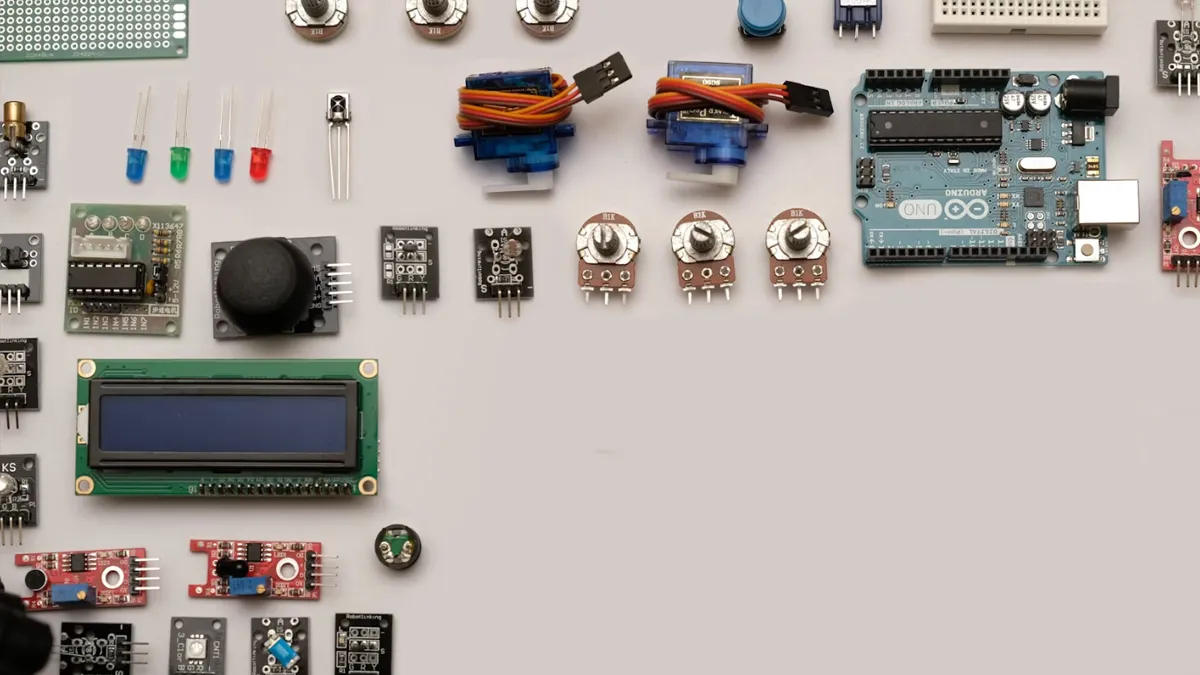 Cybersecurity EN 18031 Certifications
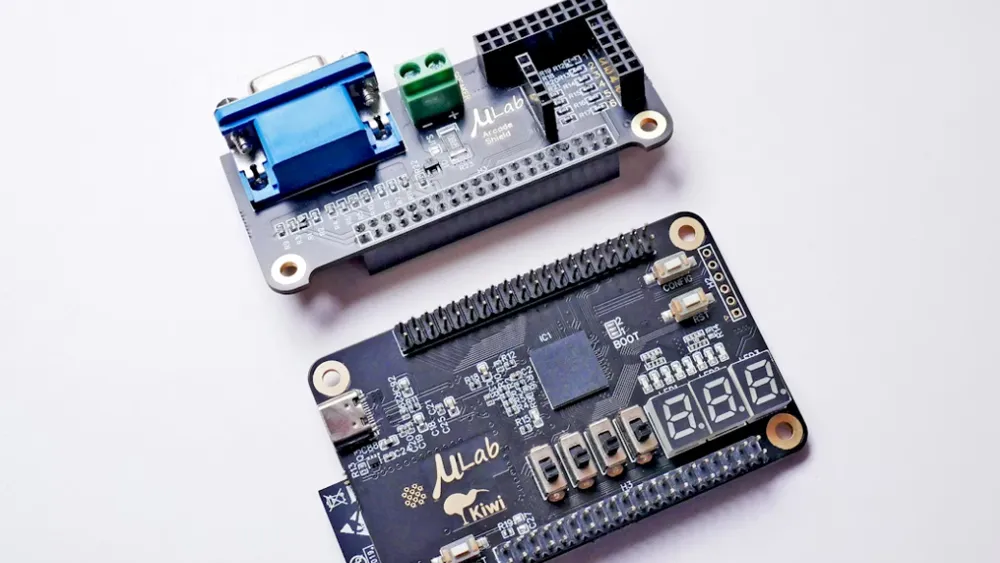 What Certifications Are Required for Japan Exports
 What is 16 CFR 1260 Compliance for Window Covering
 Differences Between F2923 and F2999
 How to get the FMVSS No.108 Test Report for Car Li
 What is Motorcycle Helmet FMVSS No. 218 Compliance
 Amazon Baby Crib TIC Verification
 Amazon TIC Verification for Cribs with Changing Ta
Leave us a message
24-hour online customer service at any time to respond, so that you worry!