



Automotive Electronics EMC Test Laboratory
With the development of the times, the advancement of technology, and the improvement of people's quality of life, the demand for automobiles is increasing day by day. At the same time, there are higher requirements for various aspects of automobiles such as comfort and safety. In the future, the electrification and intelligence of automobiles, as well as the increasing integration of electronic products into automobiles, will become an unstoppable trend. The electromagnetic compatibility of these electronic components and the entire vehicle has a crucial impact on the safety, reliability, and comfort of automobiles. Therefore, it is subject to strict control by governments and automotive OEMs worldwide. Carrying electronic products or vehicles that have not passed electromagnetic compatibility testing will not be favored by OEMs or consumers.
Product Range:
- Body electronic products: external lighting, optical signaling devices, indirect vision devices, automotive fans, battery BMS, switches, wire harness connectors, motors, dashcams, tire pressure monitoring systems, etc.
- Information entertainment and networking: T-Box, in-car entertainment systems, navigation devices, central display screens, combination meters, streaming rearview mirrors, Bluetooth modules, HUDs, in-car audio systems, car refrigerators, etc.
- Safety and comfort systems: air conditioning systems, seat adjustment systems, seat heating systems, electric horns, etc.
- Engine electronic systems: engine management ECUs, batteries, ignition systems, engine wiring harnesses, etc.
- New energy vehicle components: motor controllers, on-board chargers, DC/DC converters, on-board terminals, etc.
- Complete vehicles: civilian sedans, SUVs, buses, forklifts, cranes, coaches, motorhomes, etc.
Testing Methods:
There are various testing methods for automotive electronic products internationally. When selecting test methods, it is necessary to choose the test method based on parameters such as test frequency band, test position of the Equipment Under Test (EUT), characteristics of interference sources, and the size of the EUT, in order to correctly assess the EUT's immunity to interference. Generally, EMS tests mainly include methods such as Bulk Current Injection (BCI), Free Field, Conducted Transient, and Electrostatic Discharge (ESD) methods.
Testing Items Range Requirements
- Conducted Disturbance (CE) 9KHz-108MHz
- Radiated Disturbance (RE) 9KHz-5.8GHz
- Transient Conducted Disturbance DC-1000V, 2GHz/s
- Low-Frequency Magnetic Field Disturbance Test (ME) 10Hz-200KHz
- Low-Frequency Electromagnetic Field Emission Test 9kHz-30MHz
- Bulk Current Injection (BCI) 10kHz-400MHz, level: 200mA
- Radiated Susceptibility (RI) with RF Absorber-Lined Chamber 80MHz-3.2GHz, Level: 200V/m
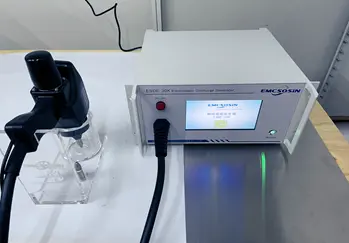
- Electrostatic Discharge Susceptibility (ESD) +30kV
- Handheld Transmitter Radiated Susceptibility 26MHz-6GHz, 20W
- Transient Conducted Immunity IS0 7637-2 pulse 1-5
- Coupling Conducted Immunity IS0 7637-3CCC/DCC
- Low-Frequency Magnetic Field Immunity 10Hz-250kHz, 180 dBuA/m
- Electrical Performance testing ISO 16750-2 standard items
Capability Range:
- EMI
- RE Radiated Disturbance Components: CISPR 25, GB/T 18655, E-Marking ECE R10, EN 50498 Vehicles: EN 15194, GB 17761, GB/T 30031, EN 12895
- CE Conducted Emission CISPR 25, GB/T 18655, EN 50498
- EMS
- CTE Conducted Transient Emission (Low Voltage Power Supply 12/24V) ISO 7637-2
- CTE Conducted Transient Emission (High Voltage Power Supply 60-1500V) ISO 7637-4
- RI BCI Bulk Current Injection ISO 11452-4
- RI Radiated Immunity IS0 11452-2
- R1, CI Conducted Immunity IS0 7637-3
- Electrostatic Discharge ISO 10605
- Immunity to Disturbances - Pulse A, Pulse B (High Voltage Power Supply 60-1500V) ISO 7637-4
Automotive Electronic Reliability
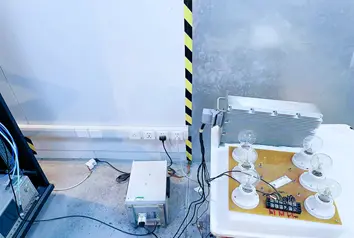
DC power supply voltage testing, overvoltage, superimposed AC voltage, gradual increase/decrease of power supply voltage, interruption of power supply voltage, reset of voltage drop, start-up testing, load shedding testing, reverse voltage, short circuit protection, ground potential drift testing, etc.
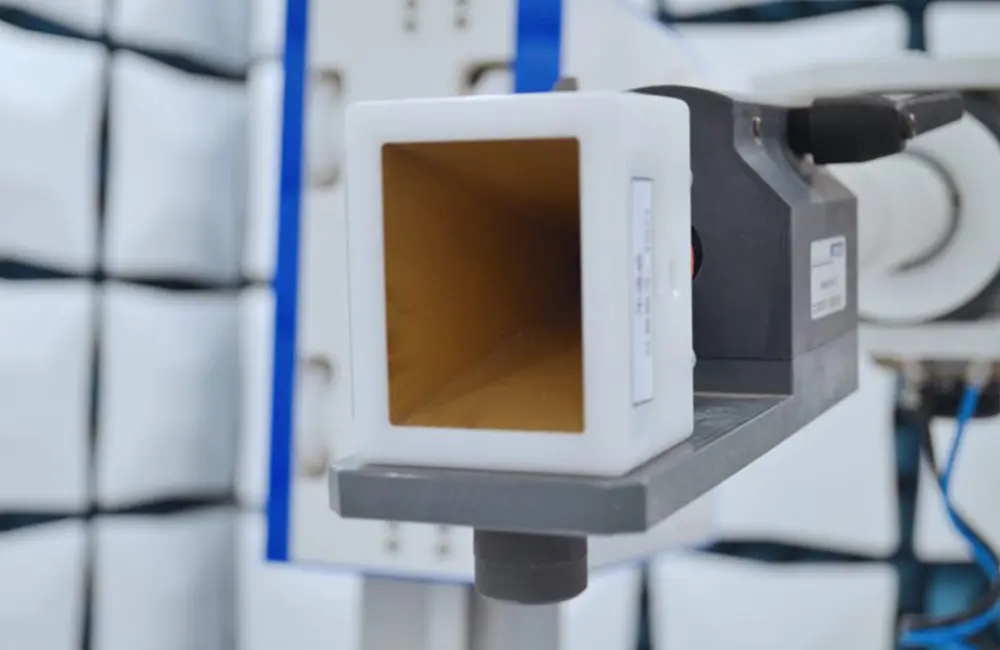
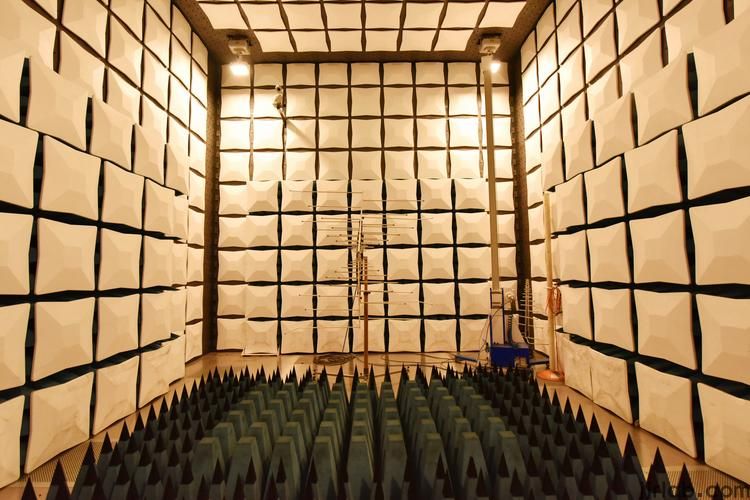
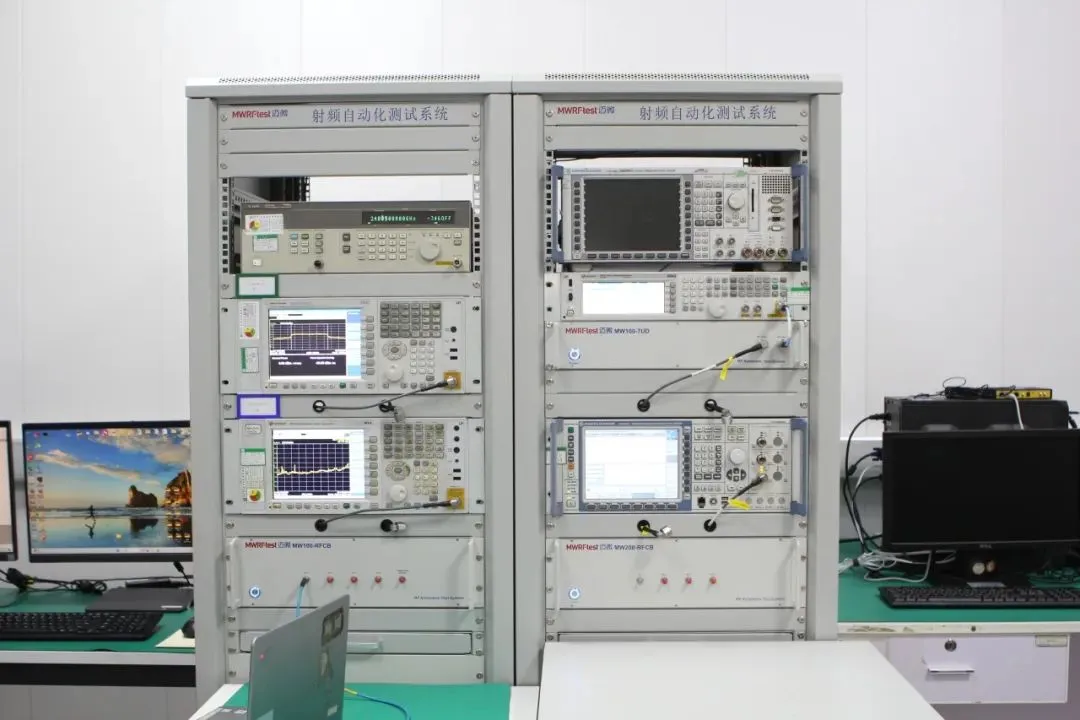
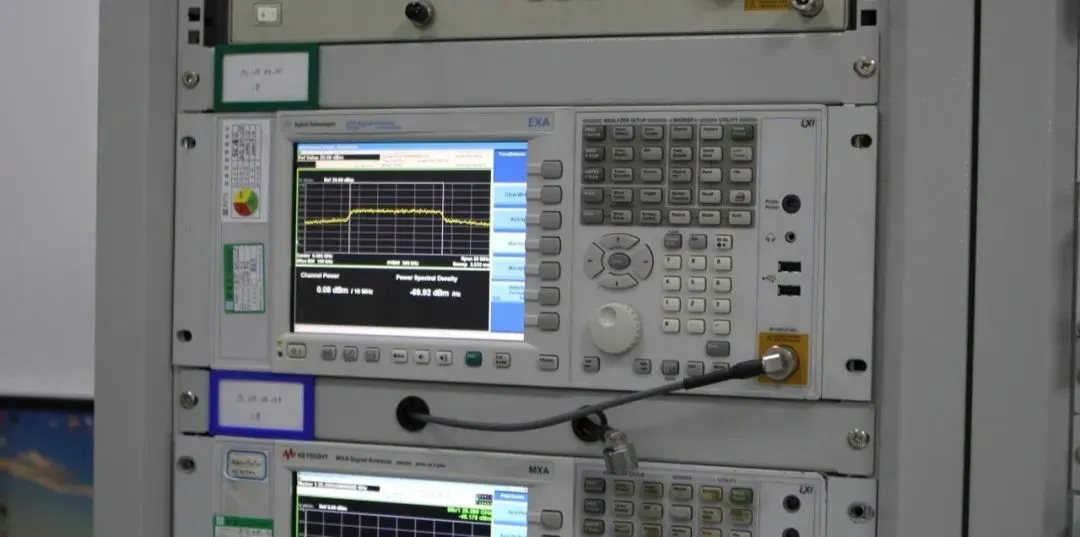
JJRLAB is equipped with dual Boresight antenna towers; its main supporting equipment is all imported, with absorptive foam from AEMI in the United States, ferrite from SAMWHA in South Korea, and equipped with the latest receivers from R&S and antennas from Schwarzbeck.
JJRLAB has the largest 10-meter semi-anechoic chamber in South China: 23.5*14.5*9, with a maximum test turntable diameter of 6m and a load capacity of 8000kg;
Site features: installation of dual antennas to effectively save testing time;
Frequency range: 9KHz—26.5GHz;
The laboratory is equipped with an NF amplifier power supply of 30KW, and radiation conduction is equipped with a 200A AC/DC power supply."
Email:hello@jjrlab.com
Write your message here and send it to us
 How to get a UL 60335 Test Report
 What is UL 60335 Certification Compliance?
 What is EN 61000 Certification Compliance?
 How to get an EN 61000 Test Report?
 What is the Amazon EN 55035 Standard?
 What is EN 55035 Certification Compliance?
 How to get the EN 55035 Test Report?
 What is the Amazon EN 301 489 Standard?
Leave us a message
24-hour online customer service at any time to respond, so that you worry!