



EU REACH Compliance Testing Services
REACH (Registration, Evaluation, Authorisation and Restriction of Chemicals) is an EU regulation numbered (EC) No 1907/2006, governing the registration, evaluation, authorisation and restriction of chemicals. It came into force on June 1, 2007, and was officially implemented on June 1, 2008. The enforcement of this regulation has exerted a significant impact on the export of electrical and electronic products to the EU.
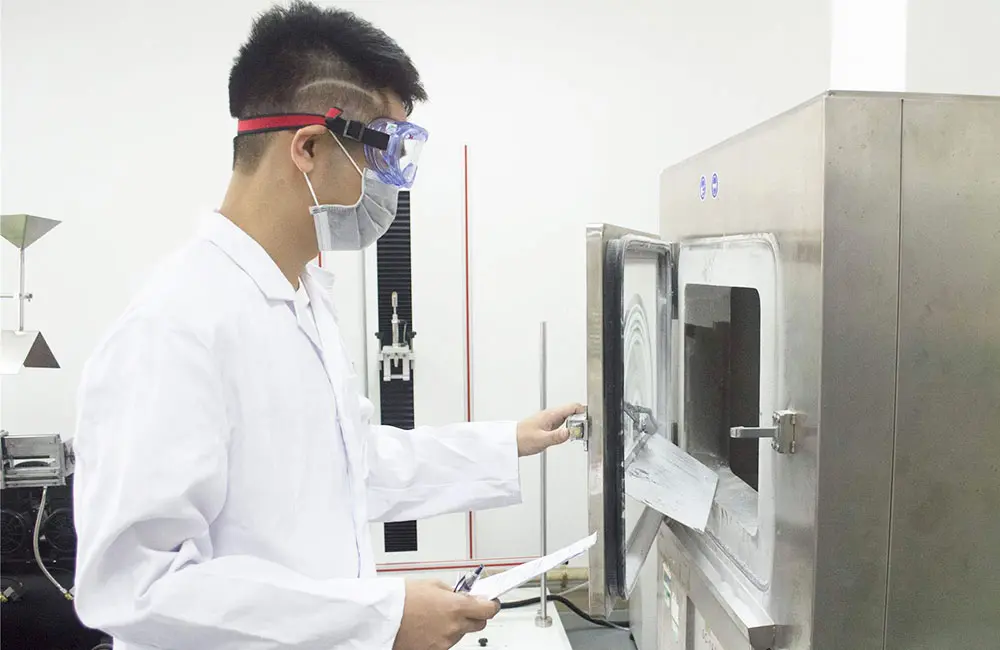
Regulatory Requirements
1. Enterprises whose products contain Substances of Very High Concern (svhc) must fulfill the obligations of information transfer or notification in accordance with the relevant requirements of the reach regulation.
2. Electrical and electronic products shall comply with the restricted substance requirements specified in Annex XVII of the REACH regulation.
SVHC Potentially Contained in Electrical and Electronic Products
Material Category | Potentially Contained SVHC |
Plastic Parts | Phthalate plasticizers, Hexabromocyclododecane (HBCDD), Short-Chain Chlorinated Paraffins (SCCP), Tris(2-carboxyethyl)phosphine (TCEP), Refractory Ceramic Fibres (RCF) of aluminium silicate, Triethyl arsenate, etc. |
Rubber Parts | Short-Chain Chlorinated Paraffins (SCCP), Tris(2-carboxyethyl)phosphine (TCEP), Refractory Ceramic Fibres (RCF) of aluminium silicate, Triethyl arsenate, Cobalt dichloride, etc. |
Metal Parts | Potassium dichromate, Potassium chromate, Chromium trichloride, etc. |
Paints | Hydrazine, Ethylene glycol ethyl ether acetate, Diethylene glycol dimethyl ether, p-tert-Octylphenol, C.I. Solvent Blue 4, Diboron trioxide, etc. |
Glass | Sodium dichromate, Arsenic trioxide, Arsenic pentoxide, Boric acid, Arsenic acid, Diboron trioxide, Lead silicate, Lead-antimony yellow, etc. |
Ceramics | Sodium dichromate, Arsenic trioxide, Arsenic pentoxide, Boric acid, Lead silicate, Lead-antimony yellow, Trilead tetroxide, etc. |
Electronic Components | Hexabromocyclododecane (HBCDD), Lead arsenate, Refractory Ceramic Fibres (RCF) of aluminium silicate, Refractory Ceramic Fibres (RCF) of alumina-silica, etc. |
Thermal Insulation Materials | Refractory Ceramic Fibres (RCF) of aluminium silicate, Refractory Ceramic Fibres (RCF) of alumina-silica, etc. |
Adhesives | Cobalt acetate, Cobalt carbonate, Short-Chain Chlorinated Paraffins (SCCP), BIS(tributyltin) oxide, Trichloroethylene, etc. |
Note: The above information is for reference only and shall not be regarded as the final testing scheme.
Restricted Substances in REACH Regulation Relevant to Electrical and Electronic Products
Material Category | Potentially Contained Restricted Substances in Annex XVII |
Plastic Parts | Organotin compounds, Cadmium, Polycyclic aromatic hydrocarbons (PAHs), Phthalates, Lead, Decabromodiphenyl ether, etc. |
Rubber Parts | Organotin compounds, Cadmium, Polycyclic aromatic hydrocarbons (PAHs), Phthalates, Lead, Decabromodiphenyl ether, etc. |
Metal Parts | Cadmium, Nickel, Lead, etc. |
Thermal Insulation Materials | Asbestos fibres, Inorganic ammonium salts, etc. |
Adhesives | Organotin compounds, Toluene, Benzene, Dichloromethane, Chloroform, etc. |
Coolants | CMR substances, etc. |
Wood | Mercury and its compounds, Arsenic compounds, etc. |
Fabrics | Tris(2,3-dibromopropyl) phosphate (TDBPP), Tetraethylenepentamine (TEPA), Polybrominated biphenyls (PBB), Organotin compounds, Azo compounds, Nonylphenol (NP), Nonylphenol ethoxylates (NPEO), Dimethyl fumarate, etc. |
Leather | Organotin compounds, Azo compounds, Nonylphenol (NP), Nonylphenol ethoxylates (NPEO), Hexavalent chromium, Dimethyl fumarate, etc. |
Note: The above information is for reference only and shall not be regarded as the final testing scheme.
Email:hello@jjrlab.com
Write your message here and send it to us
 What is Cytotoxicity ISO 10993-5
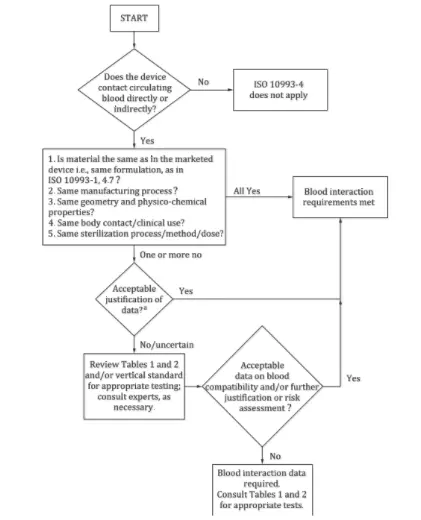 What is Hemocompatibility Testing ISO 10993?
 What is ISO 10993-5 Tests for In Vitro Cytotoxicit
 Electronic Product IEC 62368-1 Safety Testing
 What is an EU SDS (Safety Data Sheet)?
 What is the CA Prop 65 Warning Label?
 2026 Amazon TIC Mandatory Audit Catalog
 Australian Electrical EESS and RCM Compliance
Leave us a message
24-hour online customer service at any time to respond, so that you worry!