



LED Lighting EMC Testing Service
The electromagnetic compatibility (EMC) of LED lighting covers three core requirements: Electromagnetic Interference (EMI), Electromagnetic Susceptibility (EMS) and Electromagnetic Field Radiation (EMF).
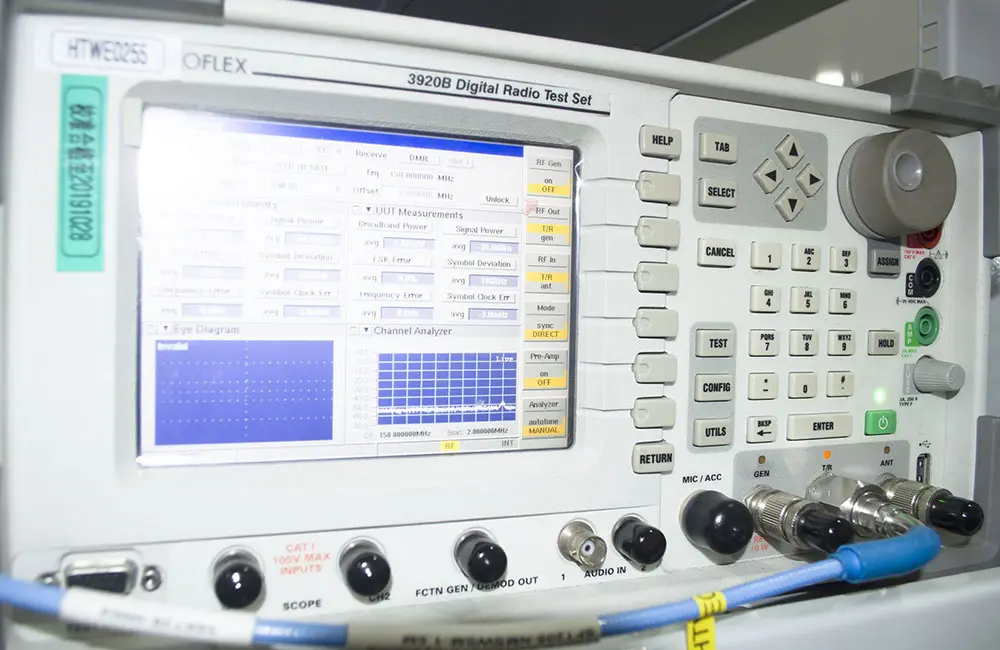
To ensure LED lighting operates stably in complex electromagnetic environments, and to effectively prevent interference from other surrounding devices, the EMC performance of LED lighting is of critical importance.
Certification Programs
Region | Certification Standards |
Europe | CE, TCO, MPR II |
Asia | |
North & South America | fcc, IC |
Australia & Africa | C-TICK, RCM, SABS |
LED Lighting Certification Testing Standards
EMI Section
CISPR15, EN55015, J55015, CNS 14115, AS/NZS CISPR15
GB17743, FCC PART15, FCC PART18
IEC/en610003-2, IEC/EN610003-3, GB17625.1, GB17625.2
EMS Section
IEC/EN61547, GB/T18595
IEC/EN61000-4-2, GB/T17626.2 IEC/EN61000-4-3, GB/T17626.3
IEC/EN61000-4-4, GB/T17626.4 IEC/EN61000-4-5, GB/T17626.5
IEC/EN61000-4-6, GB/T17626.6 IEC/EN61000-4-8, GB/T17626.8
IEC/EN61000-4-11, GB/T17626.11
EMF Section
EN62493:2010
Email:hello@jjrlab.com
Write your message here and send it to us
 What is Amazon Toy Compliance?
 What is Cytotoxicity ISO 10993-5
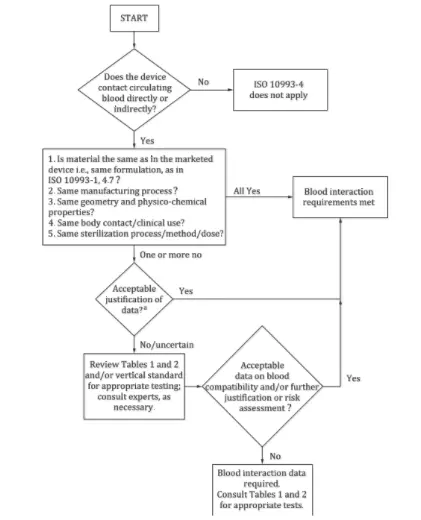 What is Hemocompatibility Testing ISO 10993?
 What is ISO 10993-5 Tests for In Vitro Cytotoxicit
Electronic Product IEC 62368-1 Safety Testing
What is ISO 10993-5 Tests for In Vitro Cytotoxicit
Electronic Product IEC 62368-1 Safety Testing
 What is an EU SDS (Safety Data Sheet)?
 What is the CA Prop 65 Warning Label?
 2026 Amazon TIC Mandatory Audit Catalog
Leave us a message
24-hour online customer service at any time to respond, so that you worry!