



Connector UL Certification Agency
JJR LAB is a third-party connector UL certification agency possessing the certification qualifications and comprehensive testing capabilities for multiple standards, including UL4128, UL2238, UL1977, UL6703, UL2251, UL1059, and UL486. We provide comprehensive ul certification services for various connectors, ensuring products meet the safety and performance requirements of the international market.
The Necessity of UL Certification
Although UL certification is not a mandatory requirement in the United States, it is of great significance for exporting products to the US market:
High Market Recognition: UL certification is widely recognized in the US market and is a key indicator prioritized by consumers and purchasers.
Government and Regulatory Support: Over 40,000 municipalities across the United States recognize the ul certification mark, providing policy support for product market access.
Market Competitive Advantage: Even if a product's brand awareness is limited, the UL certification mark can still enhance market acceptance and help enterprises expand into the US market.
Main Standards for Connector UL Certification
Depending on the application field and product type, the main standards include:
Energy Storage Connectors: UL4128
Photovoltaic Connectors: UL6703
Component Connectors & Multi-purpose Connectors: UL1977
Cable Assemblies & Waterproof Connectors: UL2238
Terminal Blocks: UL1059
Charging Gun Plugs / Connectors: UL2251
Connector Components: UL486, UL310, etc.
Main Testing Items for Connector UL Certification
To ensure the safety and performance of connectors, routine testing items include:
Mechanical Performance testing: Insertion force, withdrawal force, stress relief, push force, and bending tests.
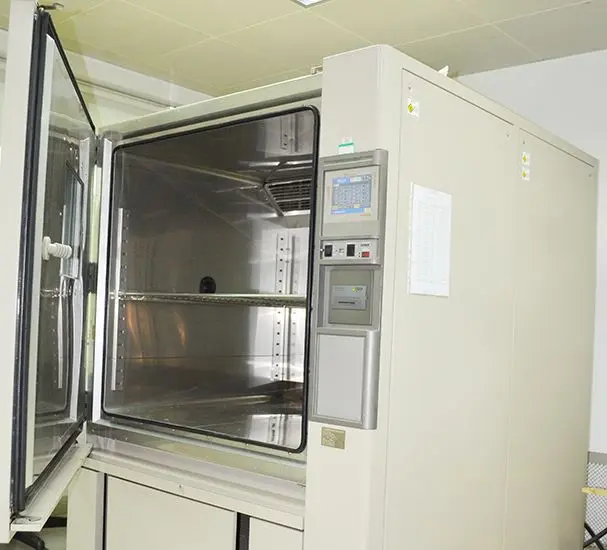
Environmental Adaptability Testing: Temperature cycling, damp heat testing, weather resistance, and humidity-freeze tests.
Electrical Performance Testing: Contact resistance, insulation resistance, dielectric voltage, and temperature rise tests.
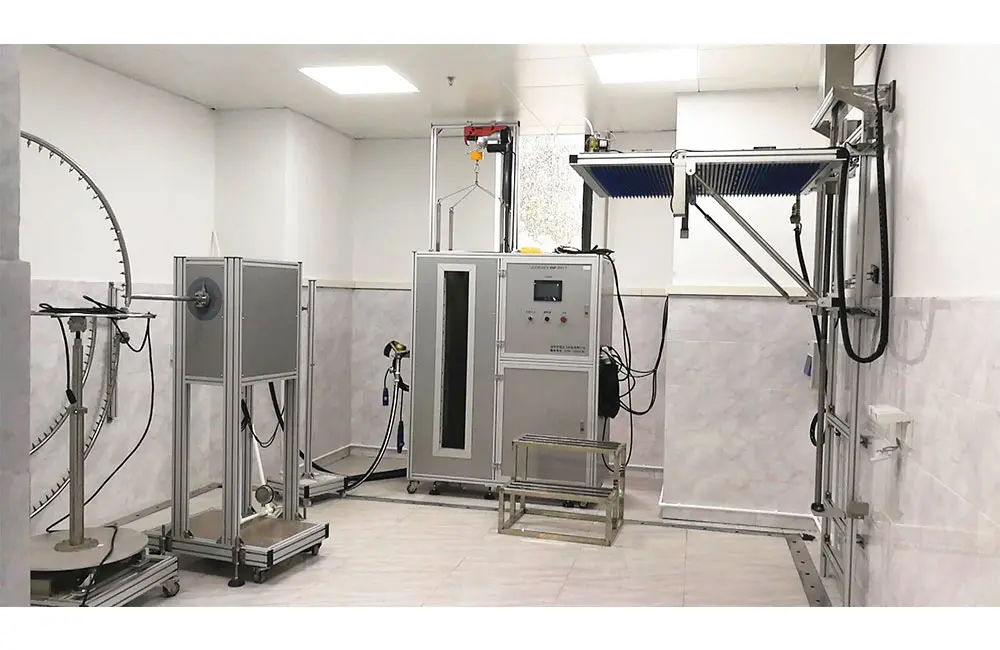
Structural and Safety Testing: Impact testing, compression testing, flame retardant testing, and IP protection level testing.
Service Life Testing: Evaluating the stability and reliability of the product during long-term use.
ul certification process
Project Determination: Confirm the product model and testing requirements.
Document Preparation: Submit product information, including drawings, photos, bill of materials (BOM), etc.
Sample Submission for Testing: Arrange sample testing according to the standard testing plan.
Report Issuance: Issue a test report after the test results meet the standard requirements.
Factory Audit: UL audits the manufacturing factory to ensure compliance with standard production requirements.
Mark Authorization: Grant the UL mark authorization upon successfully passing the audit.
Email:hello@jjrlab.com
Write your message here and send it to us
 Electronic Product IEC 62368-1 Safety Testing
 What is an EU SDS (Safety Data Sheet)?
 What is the CA Prop 65 Warning Label?
 2026 Amazon TIC Mandatory Audit Catalog
 Australian Electrical EESS and RCM Compliance
 How to get Vietnam CR Certification
 What is a UN 38.3 Battery Test Report
 What is the UN38.3 Certification Test?
Leave us a message
24-hour online customer service at any time to respond, so that you worry!