



What is the FCC Certificate?
Exporting electronic products to the United States has always been a priority in international trade, and certification from the Federal Communications Commission (fcc) is a crucial step for electronic product companies to expand into international markets, especially the US market. FCC certification is mandatory and serves as the basic threshold for market access in the United States. It not only helps ensure the compliance and safety of products but also enhances consumer trust, thereby boosting the brand value and competitiveness of businesses.
What is FCC Certification?
The FCC, short for the Federal Communications Commission, coordinates domestic and international communications by regulating radio broadcasting, television, telecommunications, satellites, and cables. Covering over 50 states, the District of Columbia, and US territories to ensure the safety of radio and wired communication products related to life and property, the FCC's Office of Engineering and Technology provides technical support to the commission and oversees equipment certification. Many wireless applications, communication products, and digital products (operating frequencies from 9 kHz to 3000 GHz) entering the US market require fcc approval.

What are the types of FCC Certifications?
FCC certification mainly involves two types:
1. FCC Supplier's Declaration of Conformity (sdoc): Applicable to general electronic products without wireless transmission functions, such as TVs, stereos, etc.
2. fcc id Certification: Specifically for wireless communication devices such as mobile phones, tablets, Bluetooth devices, drones, etc.
What documents are required for FCC Certification?
- FCC ID Label Location
- User Manual
- Schematic Diagram
- Block Diagram
- Theory of Operation
- Test Report
- External Photos
- Internal Photos
- Test Setup Photos
US FCC Certification Application Process:
1. The client submits the application form to our company.
2. The client prepares test samples (wireless products require fixed-frequency machines) and provides product information (see document requirements).
3. After passing the test, our company issues a draft report, which the client confirms and then issues the formal report.
4. If it is fcc sdoc, the project is completed; if applying for FCC ID, submit the report and technical data to the TCB.
5. TCB reviews and issues the FCC ID certificate, and the testing agency sends the formal report and FCC ID certificate.
6. After the company's product obtains FCC certification, it can affix the fcc logo to the device. Radio frequency and wireless technology products need to have the FCC ID code stamped.
Note: For manufacturers applying for fcc id certification for the first time, they need to register an FCC-FRN with the FCC to establish a company file. The certificate issued by the TCB after review usually includes an fcc id number, which is typically composed of the "Grantee code" + "Product code".
FCC Certification Timeframe:
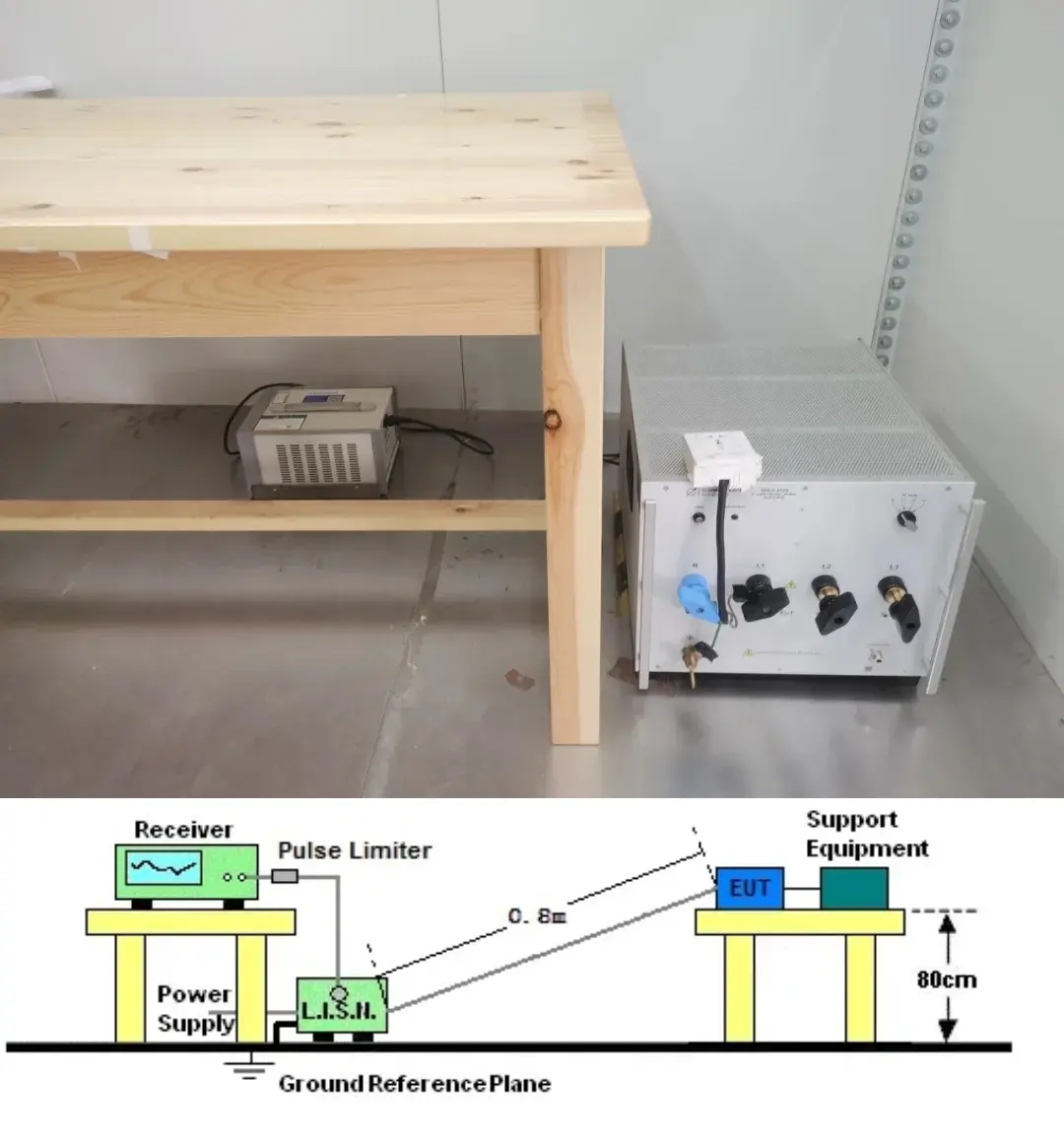
Currently, FCC certification mainly tests radiation, conduction, and other content.
- FCC SDoC: 5-7 working days to complete testing
- FCC ID: 10-15 working days to complete testing
Does FCC Certification have an expiration date?
FCC certification does not have a rigid useful time limit and generally remains valid indefinitely. However, if the following situations occur, the product may need to be re-certified or the certificate updated:
1. Instructions used for previous certification are replaced by new instructions.
2. Significant changes are made to the certified product.
3. Safety issues arise with the product after entering the market, leading to the revocation of the certificate by the authorities.
Email:hello@jjrlab.com
Write your message here and send it to us
 What is UL 1642 Compliance Certification?
 What Is Amazon's UL 60335 Standard
 How to get a UL 60335 Test Report
 What is UL 60335 Certification Compliance?
 What is EN 61000 Certification Compliance?
 How to get an EN 61000 Test Report?
 What is the Amazon EN 55035 Standard?
 What is EN 55035 Certification Compliance?
Leave us a message
24-hour online customer service at any time to respond, so that you worry!