



What is ITE Product Certification Testing
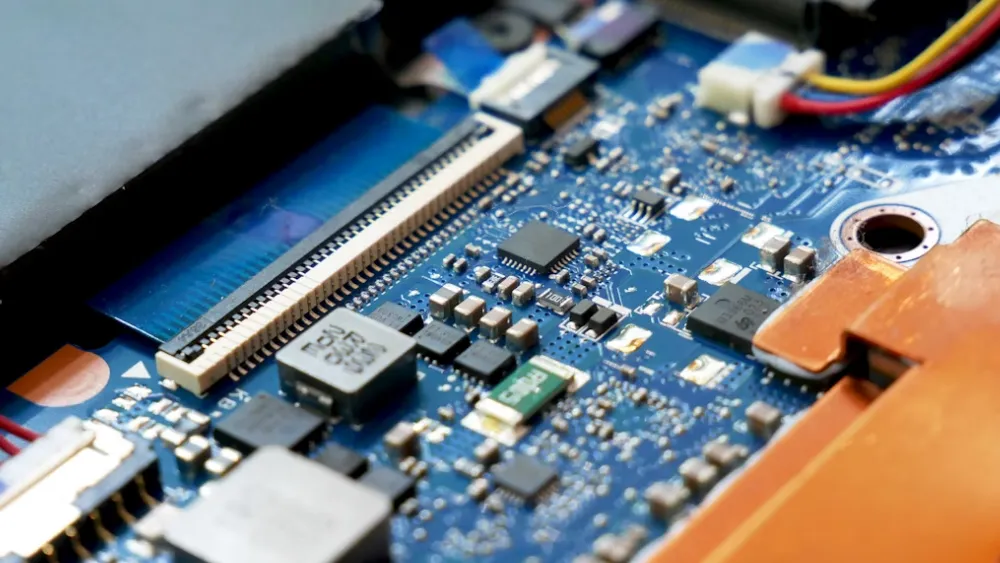
Information Technology Equipment (ITE) refers to equipment whose primary function is to enter, store, display, retrieve, transmit, process, exchange, or control data and telecommunication messages (or a combination of these functions). The equipment may be configured with one or more terminal ports typically used for information transfer, and its rated voltage does not exceed 600V.
Common ITE Products
ITE includes data processing equipment, office equipment, electronic commercial equipment, telecommunications equipment, and more.
Examples: Personal computers, laptops, tablets, mice, keyboards, monitors, all-in-one PCs, printers, projectors, routers, scanners, USB flash drives, mobile hard drives, and various computer peripherals and accessories.
EU CE certification
Testing Standards: EN55022, EN55024, en61000-3-2, EN61000-3-3
Electromagnetic Compatibility (EMC) Directive: 2004/108/EC
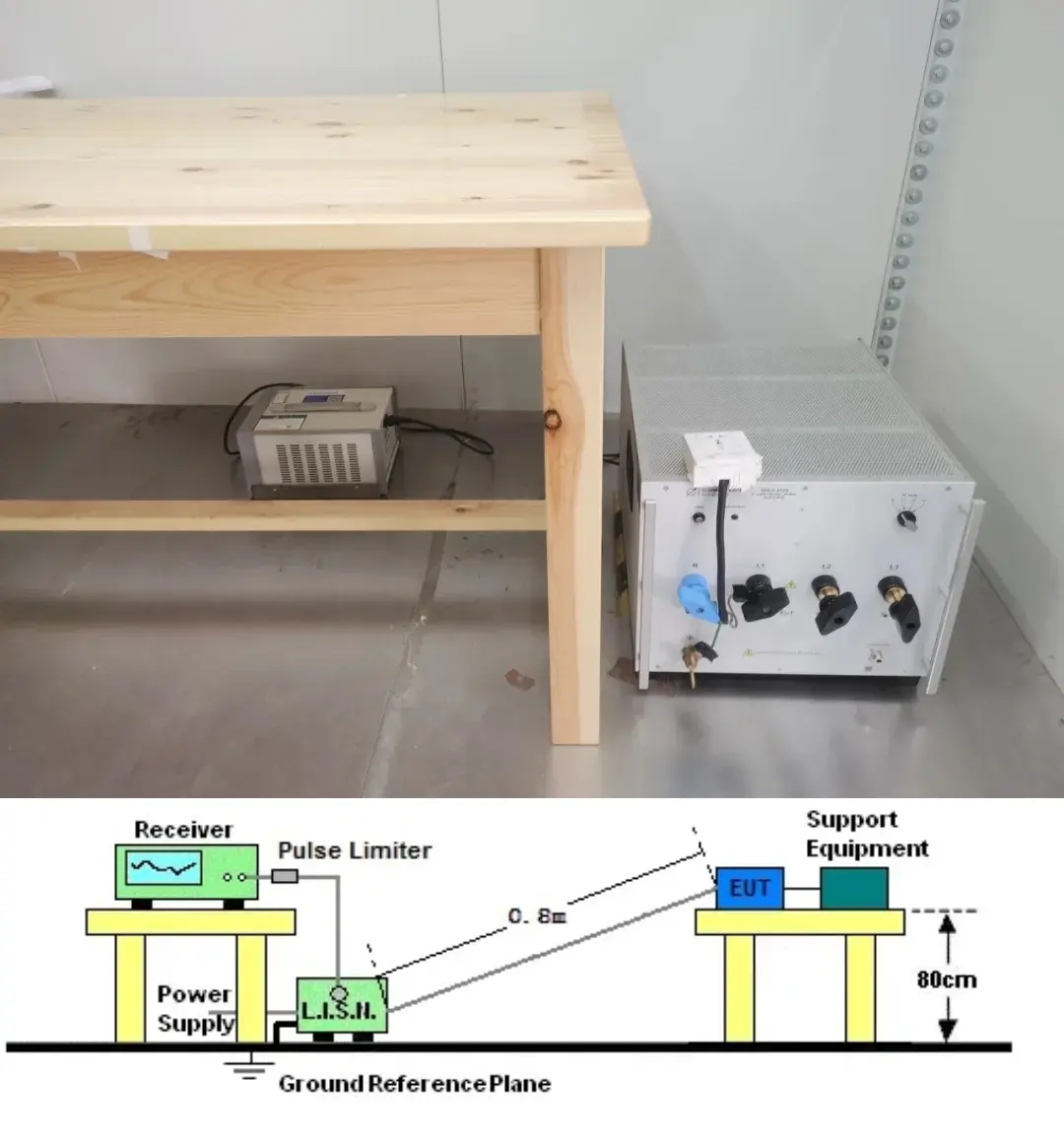
emi testing Items
If the highest internal source frequency of the product is below 108MHz, the measurement is performed up to 1GHz.
If the highest internal source frequency of the product is between 108MHz and 500MHz, the measurement is performed up to 2GHz.
If the highest internal source frequency of the product is between 500MHz and 1GHz, the measurement is performed up to 5GHz.
If the highest internal source frequency of the product is above 1GHz, the measurement is performed up to 5 times the highest frequency or 6GHz, whichever is smaller.
Harmonic Current (Harmonics)
Standard: EN61000-3-2
Products with a rated voltage range of AC 220~240V must undergo this test.
Products with a rated power of 75W and below have no limit requirements and do not require testing.
Voltage Fluctuations and Flicker
Standard: EN61000-3-3
Products with a rated voltage range of AC 220~240V must undergo this test.
Limit Requirements:
Short-term flicker value Pst ≤ 1.0
Long-term flicker value Plt ≤ 0.65
Relative steady-state voltage change dc ≤ 3.3%
Maximum relative voltage change dmax ≤ 4%
EMS Testing Items
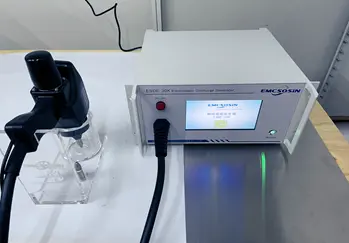
1. Electrostatic Discharge (ESD) Immunity
Standard: EN55024 (referencing iec61000-4-2)
Performance Criterion: A
Contact discharge: ±4kV; 25 times per polarity at each discharge point.
Air discharge: ±8kV; 10 times per polarity at each discharge point.
2. Radiated Susceptibility (RS)
Standard: EN55024 (referencing IEC61000-4-3)
Performance Criterion: A
Frequency Range: 80~1000MHz
3. Electrical Fast Transient/Burst (EFT) Immunity
Standard: EN55024 (referencing IEC61000-4-4)
Performance Criterion: B
Test Specifications:
AC power input ports: 1kV; Repetition frequency 5kHz
DC power input ports: 0.5kV; Repetition frequency 5kHz
Signal and telecommunication ports: 0.5kV; Repetition frequency 5kHz
Note: Interface ports connected to data cables with an expected length not exceeding 3m, as specified by the manufacturer, do not require this test.
4. Surge Immunity
Standard: EN55024 (referencing IEC61000-4-5, ITU-T K.20, K.21, K.22)
Performance Criterion: B
Test Specifications:
AC input ports: 1.2/50 (8/20) combination wave; Line-to-line: 1kV; Line-to-ground: 2kV.
DC input ports: 1.2/50 (8/20) combination wave; 0.5kV. (Only applicable to ports that may connect directly to outdoor cables according to manufacturer specifications).
Signal and telecommunication ports: 10/700 waveform; 1kV or 4kV. (Only applicable to ports that may connect directly to outdoor cables according to manufacturer specifications. If the port is equipped with primary protection as required, a 4kV voltage should be applied to the protector; otherwise, a 1kV test voltage should be applied to the unprotected port).
5. Conducted Susceptibility (CS)
6. Power Frequency Magnetic Field Immunity (MS)
7. Voltage Dips and Short Interruptions Immunity (Dips)
EMS Performance Criteria
Performance Criterion A:
The equipment shall continue to operate as intended without operator intervention. No degradation of performance or loss of function is allowed below a performance level specified by the manufacturer when the equipment is used as intended. The performance level may be replaced by a permissible loss of performance. If the minimum performance level or the permissible performance loss is not specified by the manufacturer, it may be derived from the product description or technical documentation, and the user has reasonable grounds to expect the equipment to meet this specification.Performance Criterion B:
After the test, the equipment shall continue to operate as intended without operator intervention. After the application of the disturbance, no degradation of performance or loss of function is allowed below a performance level specified by the manufacturer when the equipment is used as intended. The performance level may be replaced by a permissible loss of performance. During the test, degradation of performance is allowed. However, after the test, the operating state shall not change, and stored data shall not be lost. If the minimum performance level or the permissible performance loss is not specified by the manufacturer, it may be derived from the product description or technical documentation, and the user has reasonable grounds to expect the equipment to meet this specification.Performance Criterion C:
Temporary loss of function is allowed, provided the function is self-recoverable or can be restored by the operation of the user in accordance with the manufacturer's instructions. Functions and/or information stored in non-volatile memory or protected by a battery backup shall not be lost.
US FCC Certification
Certification Form: FCC DOC
Testing Standard: FCC 47 CFR Part 15B
Testing Items (EMI Only)
If the highest internal source frequency is between 1.705~108MHz, the measurement is performed up to 1GHz.
If the highest internal source frequency is between 108MHz~500MHz, the measurement is performed up to 2GHz.
If the highest internal source frequency is between 500MHz~1GHz, the measurement is performed up to 5GHz.
If the highest internal source frequency is above 1GHz, the measurement is performed up to the 5th harmonic of the highest frequency or 40GHz, whichever is smaller.
Canada ic certification
Testing Standard: ICES-003
Testing Items (EMI Only)
If the highest internal source frequency is between 1.705~108MHz, the measurement is performed up to 1GHz.
If the highest internal source frequency is between 108MHz~500MHz, the measurement is performed up to 2GHz.
If the highest internal source frequency is between 500MHz~1GHz, the measurement is performed up to 5GHz.
If the highest internal source frequency is above 1GHz, the measurement is performed up to the 5th harmonic of the highest frequency or 40GHz, whichever is smaller.
China CCC Certification
Testing Standards: GB9524, GB17625.1
Testing Items
If the highest internal source frequency is below 108MHz, the measurement is performed up to 1GHz.
If the highest internal source frequency is between 108MHz~500MHz, the measurement is performed up to 2GHz.
If the highest internal source frequency is between 500MHz~1GHz, the measurement is performed up to 5GHz.
If the highest internal source frequency is above 1GHz, the measurement is performed up to 5 times the highest frequency or 6GHz, whichever is smaller.
Harmonic Current
Standard: GB17625.1
Products with a rated voltage range of AC 220~240V must undergo this test.
Products with a rated power of 75W and below have no limit requirements and do not require testing.
Australia rcm certification
Testing Standard: AS/NZS CISPR22
Testing Items (EMI Only)
If the highest internal source frequency is below 108MHz, the measurement is performed up to 1GHz.
If the highest internal source frequency is between 108MHz~500MHz, the measurement is performed up to 2GHz.
If the highest internal source frequency is between 500MHz~1GHz, the measurement is performed up to 5GHz.
If the highest internal source frequency is above 1GHz, the measurement is performed up to 5 times the highest frequency or 6GHz, whichever is smaller.
Japan vcci certification
Testing Standard: VCCI-V3
Testing Items (EMI Only)
If the highest internal source frequency is below 108MHz, the measurement is performed up to 1GHz.
If the highest internal source frequency is between 108MHz~500MHz, the measurement is performed up to 2GHz.
If the highest internal source frequency is between 500MHz~1GHz, the measurement is performed up to 5GHz.
If the highest internal source frequency is above 1GHz, the measurement is performed up to 5 times the highest frequency or 6GHz, whichever is smaller.
Korea kc certification
Testing Standards: KN22, KN24
Testing Items (EMI Only)
If the highest internal source frequency is below 108MHz, the measurement is performed up to 1GHz.
If the highest internal source frequency is between 108MHz~500MHz, the measurement is performed up to 2GHz.
If the highest internal source frequency is between 500MHz~1GHz, the measurement is performed up to 5GHz.
If the highest internal source frequency is above 1GHz, the measurement is performed up to 5 times the highest frequency or 6GHz, whichever is smaller.
Taiwan bsmi Certification
Testing Standard: CNS13438
Testing Items (EMI Only)
If the highest internal source frequency is below 108MHz, the measurement is performed up to 1GHz.
If the highest internal source frequency is between 108MHz~500MHz, the measurement is performed up to 2GHz.
If the highest internal source frequency is between 500MHz~1GHz, the measurement is performed up to 5GHz.
If the highest internal source frequency is above 1GHz, the measurement is performed up to 5 times the highest frequency or 6GHz, whichever is smaller.
Email:hello@jjrlab.com
Write your message here and send it to us
 What is an EU SDS (Safety Data Sheet)?
 What is the CA Prop 65 Warning Label?
 2026 Amazon TIC Mandatory Audit Catalog
 Australian Electrical EESS and RCM Compliance
 How to get Vietnam CR Certification
 What is a UN 38.3 Battery Test Report
 What is the UN38.3 Certification Test?
 What is a Lithium Ion Battery Certification
Leave us a message
24-hour online customer service at any time to respond, so that you worry!