



IoT Device Testing Solutions
CHINA JJRLAB can assist users in understanding testing requirements and conducting all necessary tests to rapidly propel their IoT applications to market.
The Internet of Things (IoT) is poised to impact all industries and everyday life. Objects such as shipping containers, streetlights, trash bins, trees, and herds of cattle are already interconnected with the internet, and it's unpredictable what else will join in the future. These applications share a commonality: they utilize information from interconnected "things" to enhance various processes, ultimately saving money, energy, and even lives. Therefore, these applications are expected to possess outstanding reliability, performance, user experience, and durability, with connectivity being a key factor for success.
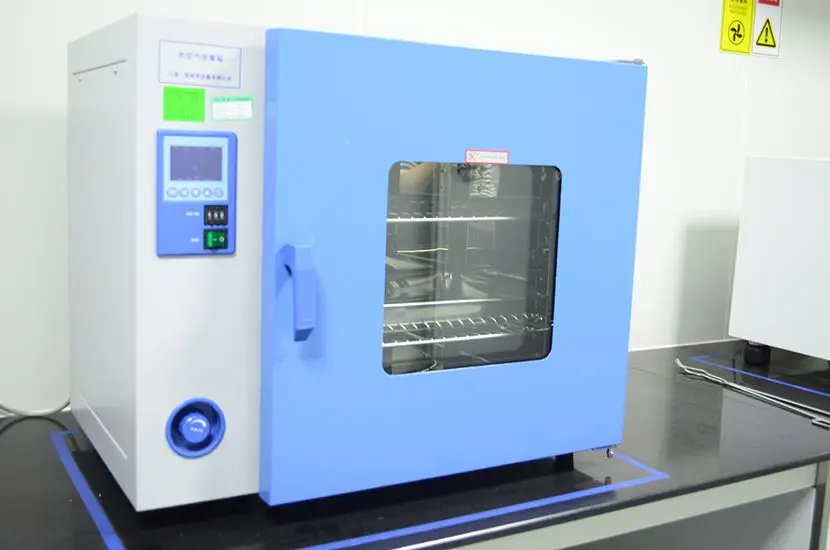
Different IoT applications face various design challenges. For instance, smart meters installed in basements or modems in fast-moving vehicles must ensure reliable communication quality. Additionally, battery life needs to extend beyond 10 years, with latency requirements ranging from a few minutes to microseconds. While some applications with global coverage and mobility demands may prioritize cellular technologies like LTE-M and NB-IoT, the majority of devices will utilize non-cellular wireless technologies such as Bluetooth®, Wi-Fi, ZigBee, THREAD, EnOcean, Sigfox®, LoRa™, and other technologies operating in unlicensed ISM/SRD frequency bands. Testing the overall communication characteristics of IoT devices is a crucial theme throughout the product lifecycle, aimed at providing functionality, long battery life, and performance assurance:
- RF design testing under specific RF conditions
- Performance measurements such as power consumption and battery life
- Ensuring compliance with applicable regulatory standards and operator-specific requirements before wireless devices enter the market
- Manufacturing tests to ensure products have first-rate quality and enhance customer satisfaction
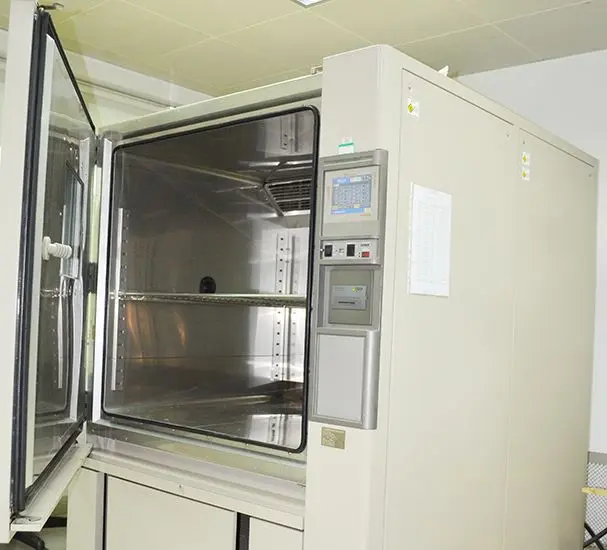
Advantages of JJRLAB IoT Testing Solutions
- Covering all major cellular and non-cellular technologies, such as LTE-M, NB-IoT, LoRaWAN, and Sigfox
- Dedicated testing solutions to address battery life, deep coverage, security, and device coexistence issues
- Tailored testing and measurement solutions for IoT devices—from initial product conception to the entire device lifecycle, covering everything
Email:hello@jjrlab.com
Write your message here and send it to us
 What is UL 1642 Compliance Certification?
 What Is Amazon's UL 60335 Standard
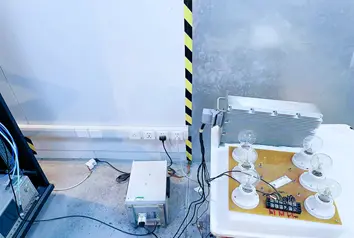 How to get a UL 60335 Test Report
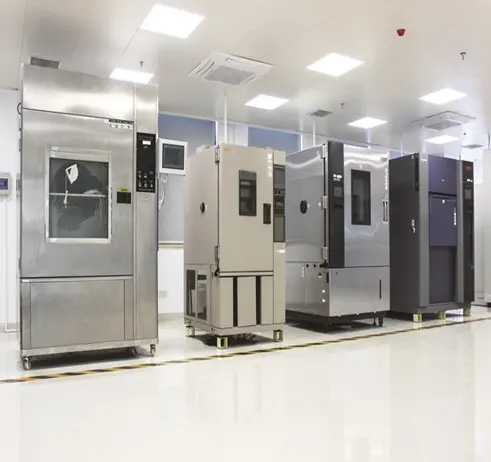 What is UL 60335 Certification Compliance?
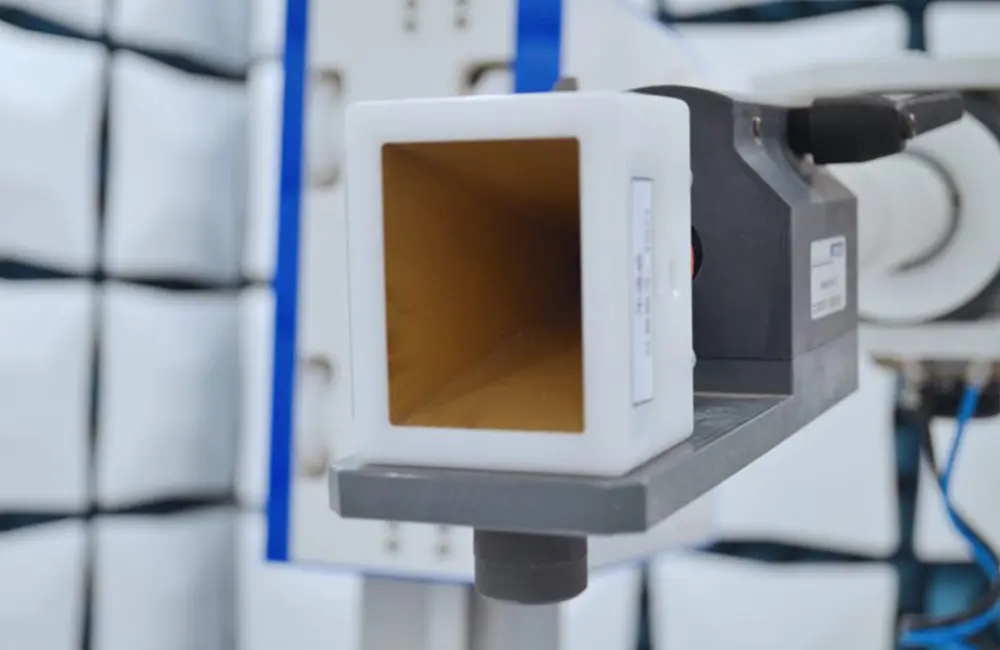 What is EN 61000 Certification Compliance?
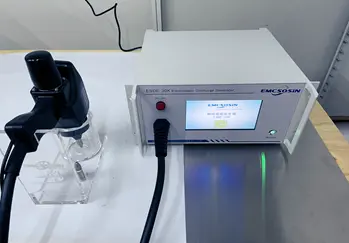 How to get an EN 61000 Test Report?
 What is the Amazon EN 55035 Standard?
 What is EN 55035 Certification Compliance?
Leave us a message
24-hour online customer service at any time to respond, so that you worry!