



LFGB Test Requirements
In September 2005, Germany’s new LFGB (Lebens- und Futtermittelgesetzbuch) replaced the former LMBG (Lebensmittel- und Futtermittelgesetzbuches). Officially known as the Law on Food, Tobacco Products, Cosmetics and Other Daily Necessities, it serves as the most fundamental and pivotal legal document governing food hygiene in Germany, acting as the guiding principle and core framework for formulating all other special food hygiene laws and regulations. In recent years, it has undergone revisions primarily to align with European standards. The regulation establishes general and basic requirements covering all aspects of food in Germany; all food products and food-related daily necessities sold on the German market must comply with these essential provisions.
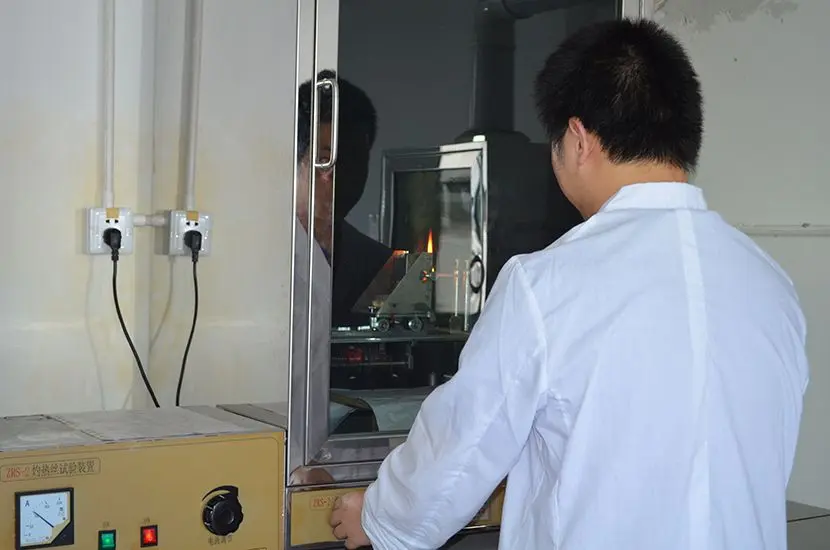
Significance of German Food-Grade lfgb certification
1. Risk of detention and inspection by customs authorities
2. Risk of investigation and punishment by market supervision agencies
3. Risk of allegations from competitors for competitive purposes
Scope of LFGB Tested Products
The covered product categories include: ceramics, synthetic plastics, polymers, plasticizers, paper products, leather, textiles, cosmetics, etc.
The specific products include:
① Food-contact electrical appliances (e.g., toasters, sandwich makers, electric kettles)
② Food storage utensils
③ Kitchenware (e.g., tempered glass cutting boards, stainless steel pots)
④ Tableware (e.g., bowls, spoons, cups and plates)
⑤ Daily articles (e.g., clothing, bedding, towels, wigs, false eyelashes, hats, diapers and other hygiene products, sleeping bags, shoes, gloves, watch straps, handbags, wallets, briefcases, chair upholstery materials)
⑥ Toys (textile or leather toys, and toys with textile or leather clothing components)
⑦ Directly used yarns and fabrics
⑧ Various cosmetics and personal care products
Other innovative process products:
① Chrome plating on barbecue grills
② Temperature resistance test of Teflon coatings on cooking pans
③ Testing of silicone sealing rings in kettles
German LFGB Certification Test Items and Requirements
1. Verification of raw materials and manufacturing processes
2. Sensory testing: Evaluation of taste and odor transfer
3. General plastic testing: Overall migration testing, specific substance migration testing, heavy metal content determination, color migration testing, primary aromatic amine (PAA) migration testing, heavy metal migration testing
4. PC (Polycarbonate) materials: General plastic testing items + specific migration testing (BISphenol A migration)
5. ABS (Acrylonitrile Butadiene Styrene) materials: General plastic testing items + volatile organic compound (VOC) testing + butadiene and acrylonitrile migration testing
6. AS, PS, SAN, Acrylic plastics: General plastic testing items + volatile organic compound (VOC) testing
7. Polyamide materials: General plastic testing items + formaldehyde migration testing + specific migration testing (caprolactam migration)
8. Melamine plastics: General plastic testing items + melamine monomer migration testing + formaldehyde migration testing
9. PVC (Polyvinyl Chloride) materials: General plastic testing items + vinyl chloride monomer (VCM) content and migration testing
10. Non-stick organic coatings: General plastic testing items + formaldehyde migration testing + phenol migration testing + aromatic amine migration testing + hexavalent and trivalent chromium dissolution testing + PFOS and PFOA testing
11. Silicone materials: Migration extraction testing, organic volatile content testing, color migration testing, PAHs content and migration testing, lead and cadmium content testing
12. Metal materials: Composition verification, heavy metal extraction and release testing
13. Wood products: Pentachlorophenol (PCP) content testing, formaldehyde migration testing
14. Paper materials: Heavy metal extraction and release testing, formaldehyde extraction and release testing, fastness testing, fluorescent whitening agent migration testing, primary aromatic amine testing, antimicrobial component migration testing
Test Requirements by Material Type
Material Type | Test Requirements |
General plastic products | Overall migration testing + sensory testing |
PVC plastic products | Overall migration testing + vinyl chloride monomer testing + peroxide value testing + sensory testing |
PE plastic products | Overall migration testing + peroxide value testing + chromium content testing + vanadium content testing + zirconium content testing + sensory testing |
PS, ABS, SAN, Acrylic plastic products | Overall migration testing + peroxide value testing + total volatile organic matter (VOM) testing + sensory testing |
PA, PU plastic products | Overall migration testing + peroxide value testing + aromatic amine migration testing + sensory testing |
PET plastic products | Overall migration testing + peroxide value testing + zinc content testing + lead content testing + overall migration testing + peroxide value testing |
Silicone rubber products | Overall migration testing + total volatile organic matter (VOM) testing + peroxide value testing + organotin compound testing + sensory testing |
Paper products | Pentachlorophenol (PCP) testing + heavy metal (Pb, Cd, Hg, CrⅥ) release testing + antimicrobial component migration testing + formaldehyde content testing + additional azo dye testing (for colored paper products) |
Non-stick coated products (e.g., non-stick pans) | Overall migration testing + phenol dissolution testing + formaldehyde dissolution testing + aromatic amine dissolution testing + hexavalent chromium (CrⅥ) dissolution testing + trivalent chromium (CrⅢ) dissolution testing + PFOA testing + sensory testing |
Metal, alloy and electroplated products | Heavy metal (Pb, Cd, Cr, Ni) release testing + sensory testing |
PP plastic products | Overall migration testing + chromium content testing + vanadium content testing + zirconium content testing + sensory testing |
LFGB Certification Process
1. The applicant provides product information and submits test samples.
2. Based on the submitted samples, professional product engineers conduct an evaluation to determine the required test items.
3. Sign the certification service contract.
4. Conduct sample testing in accordance with the applicable standards.
5. Issue the official test report.
Email:hello@jjrlab.com
Write your message here and send it to us
 What is Cytotoxicity ISO 10993-5
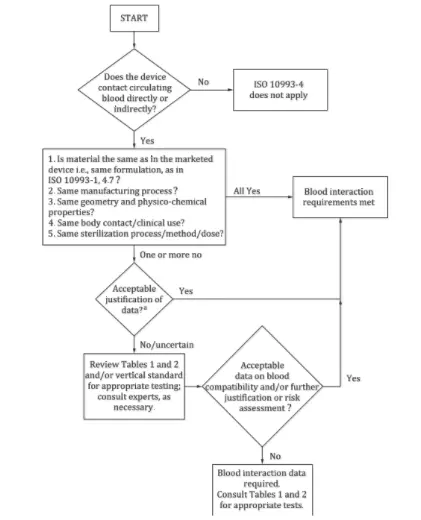 What is Hemocompatibility Testing ISO 10993?
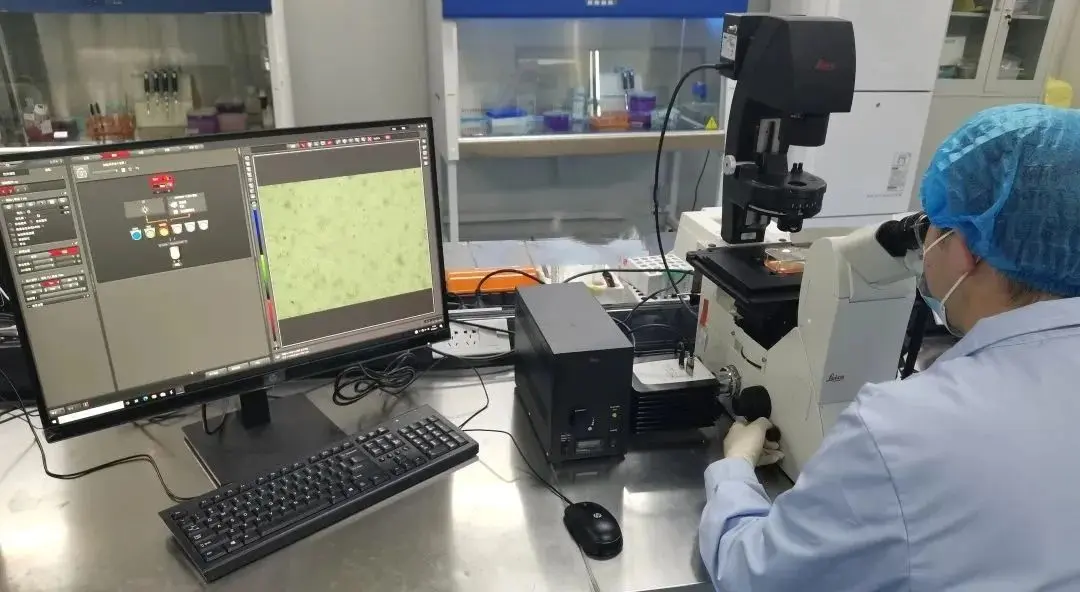 What is ISO 10993-5 Tests for In Vitro Cytotoxicit
 Electronic Product IEC 62368-1 Safety Testing
 What is an EU SDS (Safety Data Sheet)?
 What is the CA Prop 65 Warning Label?
 2026 Amazon TIC Mandatory Audit Catalog
 Australian Electrical EESS and RCM Compliance
Leave us a message
24-hour online customer service at any time to respond, so that you worry!