



What is LFGB Test
What is LFGB?
LFGB (Lebensmittel-Bedarfsgegenstände-und Futtermittelgesetzbuch) is the German Food and Commodities Act. Food and food-related products must obtain LFGB approval to enter the German market. Food contact materials and products sold in Germany must pass relevant test requirements and obtain an LFGB Test Report.
Although the LFGB standard is German, it is highly recognized throughout Europe. Even though the EU has its own regulations for food contact materials, EU customers actually have a higher recognition of the German LFGB. Most customers will require an LFGB test report rather than an EU food-grade test report. Therefore, if products fall within the scope of food-grade testing and need to be exported to the EU, the LFGB Test is the best choice.
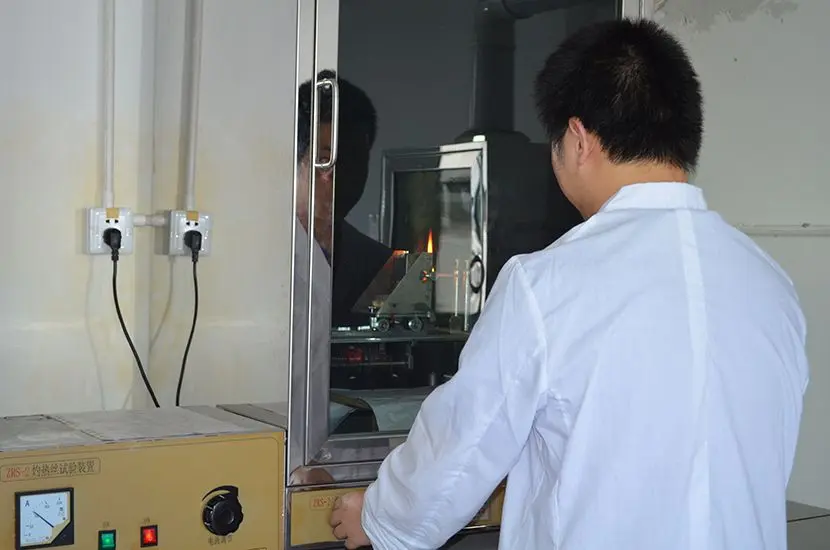
Which Products Need LFGB Testing?
① Tableware: bowls, cups, knives, forks, spoons, pots, plates, dishes, chopsticks, trays, napkins, straws, etc.;
② Kitchen utensils: knives, pans, shovels, basins, peelers, barbecue grills/forks, etc.;
③ Kitchen electrical appliances: juicers, soybean milk machines, coffee machines, kettles, ovens, microwave ovens, rice cookers, disinfection cabinets, dishwashers, blenders, toasters, range hoods, gas stoves, induction cookers, etc.;
④ Food packaging materials: plastic wrap, fresh-keeping bags, food containers, storage jars, seasoning bottles, sealed cans, tablecloths, paper, etc.;
⑤ Children’s products: baby bottles, pacifiers, teething toys, insulated cups, bottle warmers, baby food preparation tools, etc.;
⑥ Products manufactured with latest processes: e.g., chrome plating on barbecue grills, heat resistance testing of Teflon coatings on cooking pans, silicone seal testing in kettles, etc.
What Does LFGB Testing Cover?
LFGB material testing generally includes: peroxide value test, overall migration test, sensory test, etc. Test items vary by material, but to pass LFGB testing, products must be “free of chemical toxic substances”. This test is therefore essential for products exported to Germany or the EU for food-grade use.
Material | Test Items |
General plastic products | Overall migration test Sensory test |
PVC plastic products | Overall migration test Peroxide value test Sensory test |
PE plastic products | Overall migration test Peroxide value test Chromium content test Vanadium content test Zirconium content test Sensory test |
PS, ABS, SAN, Acrylic plastics | Peroxide value test Overall migration test Total volatile organic matter (VOM) Sensory test |
PA, PU plastic products | Overall migration test Peroxide value test Aromatic amine migration test Sensory test |
PET plastic products | Overall migration test Zinc content test Lead content test Overall migration test Peroxide value test Sensory test |
Silicone products | 3 types of overall migration tests Total volatile organic matter (VOM) Peroxide value test Organotin compound test Sensory test |
Rubber products | 3 types of overall migration tests Formaldehyde emission test Zinc content test Lead content test Aromatic amine migration test Nitrosamine content Sensory test |
Paper products (PCP) | Pentachlorophenol test Heavy metal (lead, cadmium, mercury, hexavalent chromium) release (Pb, Cd, Hg, CrVI) Antimicrobial ingredient migration test Formaldehyde content test Glyoxal emission test Additional azo dye test for colored paper products |
Non-stick coated products (non-stick pans) | Aromatic amine emission test 5 types of overall migration tests Phenol emission test Formaldehyde emission test Hexavalent chromium (VI) emission test Trivalent chromium (III) emission test PFOA (ammonium perfluorooctanoate) test Sensory test |
Metals, alloys and electroplated products | Heavy metal release (lead, cadmium, chromium, nickel) test Sensory test |
PP plastic products | Overall migration test Chromium content test Vanadium content test Zirconium content test Sensory test |
Baking paper products | Appearance Thermal stability Antimicrobial ingredient migration test Polychlorinated biphenyl (PCBs) test Formaldehyde emission test Sensory test |
Wood products | Pentachlorophenol (PCP) test Formaldehyde emission test Sensory test |
Food-contact parts of ceramics, glass and enamel products | Lead and cadmium release test Additional lead and cadmium release test on rim Sensory test |
Key Points of LFGB
The difference between LFGB testing and other food-grade tests is that LFGB has relatively comprehensive requirements for plastic products. It classifies different plastic materials into PC, PVC, PE, etc., with different test standards for different material types, resulting in more standardized test results.
In addition to overall migration testing, LFGB also requires Section 30 & 31 sensory testing (mainly odor and taste) for tested products. Precisely because LFGB requirements are stricter than those of other countries, LFGB test reports are equally recognized in other countries.
Email:hello@jjrlab.com
Write your message here and send it to us
 How to get an FCC ID and How Much Does It Cost
 What is the EN 300 328 Testing Standard
 Amazon TIC Lithium Battery Appliance UL 60335-2-29
 What is the Difference Between EU PPWR and EPR?
 What is Japanese METI Registration
 Exporting to Saudi Arabia Saber Certification: PCo
 How to get a Saudi Arabia MSDS?
Do I Still Need PPWR Compliance if I Have RoHS?
How to get a Saudi Arabia MSDS?
Do I Still Need PPWR Compliance if I Have RoHS?
Leave us a message
24-hour online customer service at any time to respond, so that you worry!