



How much does the IP44 Compliance Test cost
Introduction to IP44 Waterproof Rating Test
IP (Ingress Protection) code is an IEC classification for many products, including the common "pin and sleeve" connectors used in data centers. It assesses the degree of protection provided against the ingress of solid objects and water.
The difference between enclosures rated IP44 and IP67 is significant in terms of both protection level and cost.
An IP rating consists of two digits. The first digit indicates the level of protection against solid objects, and the second digit indicates the level of waterproof protection.
IP44-rated connectors are often referred to as "splash-proof", providing protection against objects larger than 1mm and water splashes from any direction.
Connectors meeting IP67 standards are generally called "waterproof" and dust-tight, and can withstand immersion in water up to 1 meter deep for 30 minutes.
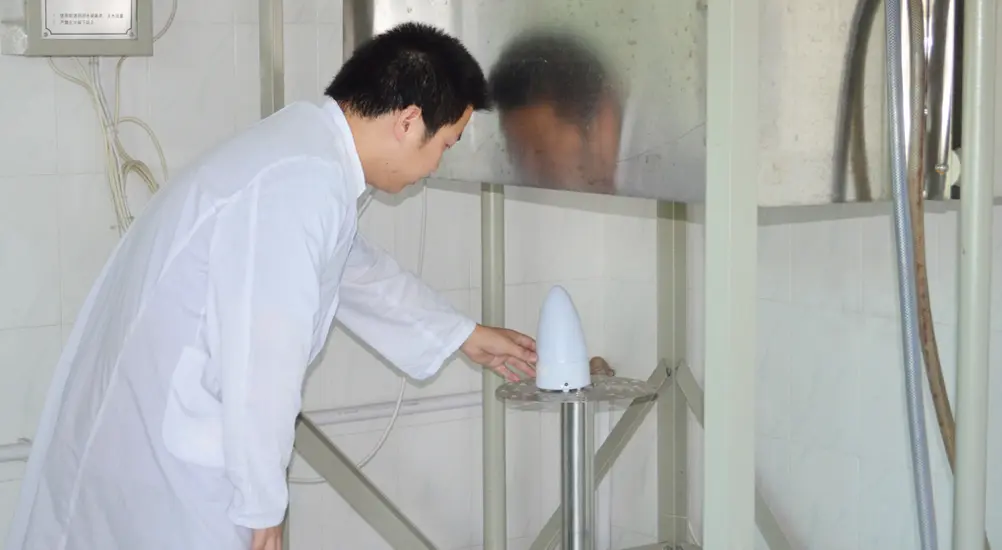
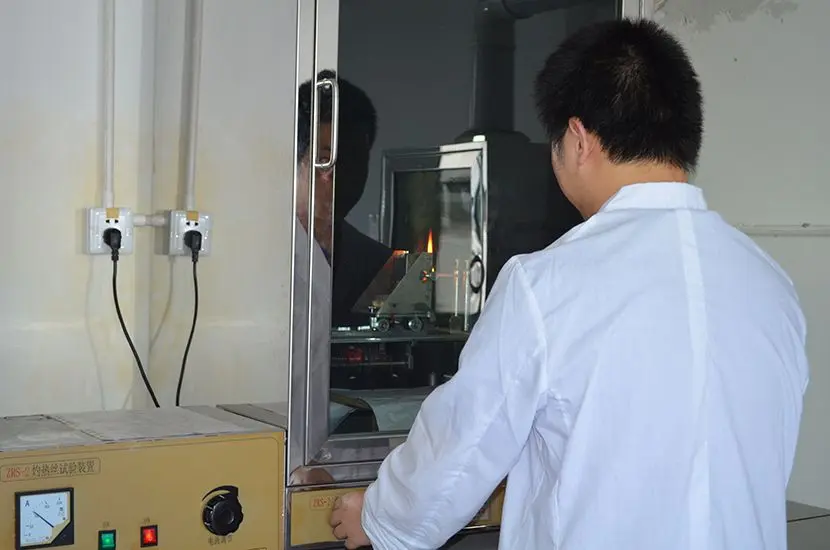
In the IP44 waterproof rating test, the equipment is placed in a simulated environment. For example, a water spray test device will spray water at a specified pressure and angle to simulate outdoor conditions such as wind and rain.
The purpose of the test is to ensure that the equipment operates normally in humid environments and prevents damage or short circuits caused by moisture ingress.
For consumers, purchasing products certified with the IP44 waterproof rating means they can be safely installed in areas exposed to rain and moisture, such as bathrooms, open gardens, or porches.
These products generally offer good protective performance, effectively extending service life and reducing maintenance costs.
In industry standards, the IP44 waterproof rating test is widely applied to various electronic devices such as lighting fixtures, power sockets, and security cameras.
For instance, outdoor LED lights usually undergo IP44 testing to ensure stable lighting performance in harsh weather conditions without malfunctioning due to moisture.
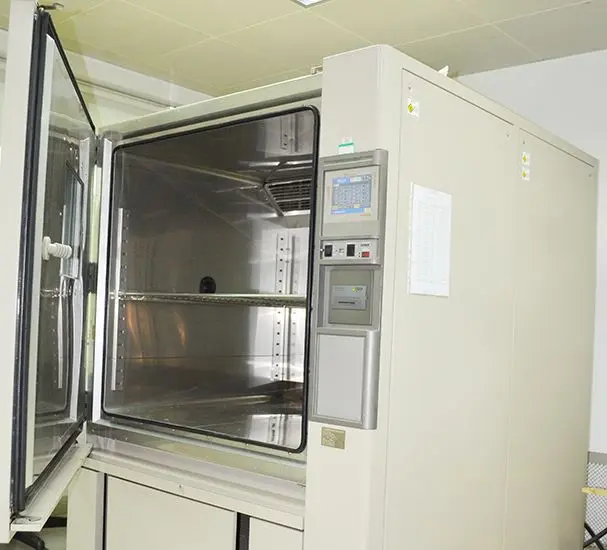
IP Waterproof Rating Standards
① IP*4: Protects against harmful effects of water splashes from all directions.
② IP*5: Protects against harmful effects of water jets from nozzles in all directions.
③ IP*6: Protects against harmful effects of powerful water jets from nozzles in all directions.
④ IP*7: Withstands continuous immersion in water 0.15–1 meter deep for 30 minutes without performance degradation or water leakage.
⑤ IP*8: Withstands continuous immersion in water 1.5–30 meters deep for 30 minutes without performance degradation or water leakage.
Test Standards for IP44 Waterproof Rating Test Report
For example, two connectors are both used for 3‑wire, 32‑ampere circuits below 250 volts. They can deliver exactly the same power but offer different protection levels.
This protection results in a substantial cost difference: IP44 connectors typically cost less than 150.
Failures in rugged conditions or due to water immersion can lead to major adverse consequences, so the price premium can easily be justified. In some cases, compliance with electrical codes is also required.
Generally, connectors rated 50A or below tend to use IP44, while circuits of 60A or above default to IP67, although either rating is available for most circuit sizes.
Many pin and sleeve connectors used in data centers follow a naming convention such as 4 60 C 9 W, where:
① The first digit is the number of wires (3, 4, or 5);
② The second digit indicates the amperage;
③ The fourth position indicates the unit type (C = connector, P = plug);
④ The fifth digit refers to the "hour position" (slightly more complex);
⑤ Finally, W indicates IP67 rating.
The IP44 version of this connector is designated 460C9 or sometimes simply 460C9.
How to Obtain an IP44 Test Report?
1. Business Consultation: The applicant provides product information, images, and testing requirements to JJR LAB.
2. Engineering Quotation: Based on the information provided, the engineer conducts an evaluation and provides a verbal quotation to the applicant.
3. Document & Sample Submission: After accepting the quotation, the applicant submits test samples to our company.
4. Payment: A formal written quotation is issued to the applicant upon receipt of samples; the applicant arranges payment according to the written quotation.
5. Sample Testing: Product testing is performed in accordance with applicable standards.
6. Report Issuance: Upon completion of testing, the laboratory issues a third-party CNAS test report, and the case is closed.
How Much Does the IP44 Test Cost?
JJR LAB is an ISO/IEC 17025 accredited laboratory with CNAS and CMA qualifications.
The cost of the IP44 test is 450 US Dollars.
Welcome to consult us.
More:ingress protection testing
Email:hello@jjrlab.com
Write your message here and send it to us
 How to get an FCC ID and How Much Does It Cost
 What is the EN 300 328 Testing Standard
 Amazon TIC Lithium Battery Appliance UL 60335-2-29
 What is the Difference Between EU PPWR and EPR?
 What is Japanese METI Registration
 Exporting to Saudi Arabia Saber Certification: PCo
 How to get a Saudi Arabia MSDS?
 Do I Still Need PPWR Compliance if I Have RoHS?
Leave us a message
24-hour online customer service at any time to respond, so that you worry!