



Bluetooth Speaker MIC Certification in Japan
Bluetooth speakers sold in Japan require MIC certification, which is essentially a type of TELEC certification. This certification is also known as Mic certification, RF certification, giteki certification, or Technical Conformity certification. Here is a detailed explanation of mic certification (telec certification) for Bluetooth speakers in Japan:
MIC Certification Background and Agencies
1. Certification Background:
Japan's certification for radio frequency equipment is known as Radio Equipment Type Approval. The official regulatory body is the Ministry of Internal Affairs and Communications (MIC) of Japan. TELEC (Telecom Engineering Center) is the main designated certification body authorized by MIC to handle the complianCE certification for radio equipment.
2. Certification Agencies:
TELEC is recognized by MIC as a registered certification body for specified radio equipment. Therefore, TELEC certification is also referred to as MIC certification in Japan. Additionally, there are other certification agencies such as RF Technologies, JQA, SGS, ITS, TUV, and UL, among a total of 12 certification bodies.
Nature of MIC Certification
Mandatory:
TELEC certification is mandatory. All radio equipment, including Bluetooth speakers, that are produced, sold, or operated in Japan must comply with MIC-approved technical regulations and must obtain a model approval certificate (TELEC certification).
mic certification process
1. Application Form:
Submit the product-related information and application form.
2. Provide Relevant Documents:
This includes ISO9001 certification or recognized quality control documents, product manuals, technical specifications, quality management system documentation, quality control approval methods or ISO9001 certification, structural protection approval certificates, claimed rated power, antenna reports, test reports, labeling information, and authorization letters.
3. Sample Submission:
Typically, 2-3 samples are required for testing.
4. Sample Testing:
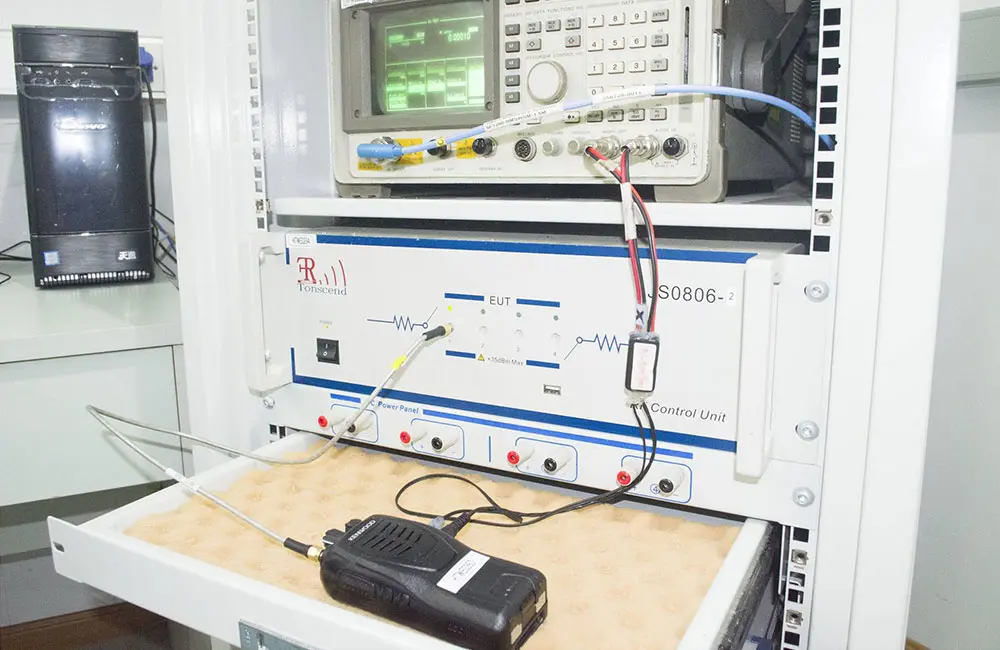
Testing must be conducted according to MIC’s regulations such as Notice No.88. Tests include frequency error, coupling bandwidth/carrier frequency bandwidth, spurious emissions, antenna power error, receiver spurious emissions, EIRP antenna power, 3dB beamwidth, duty cycle, and occupied bandwidth.
5. Review and Certification:
After successful testing, the results are submitted to the Japanese authorized agency for review. Upon approval, a TELEC certification certificate will be issued.
MIC Certification Timeline
Certification Period:
Typically, the TELEC certification process takes 3-4 weeks.
MIC Certification Notes
1. Compliance:
Ensure the product meets relevant Japanese technical regulations and standards when applying for TELEC certification.
2. Costs:
There may be fees associated with testing and certification.
3. Labeling and Compliance:
Once certified, the telec certification mark must be displayed on the product, and market access requirements must be followed.
In summary, Bluetooth speakers must obtain TELEC certification (MIC certification) before being sold in the Japanese market to ensure compliance with Japanese radio equipment technical regulations and standards.
Email:hello@jjrlab.com
Write your message here and send it to us
 What is the ASTM F2264 Certification Test?
 What is ASTM F2194 Certification Testing?
 What is the ASTM F2167 Certification Test?
 What is the ASTM F2050 Certification Test?
 What is ASTM F1967 Certification Testing? How to g
 What is the ASTM F1917 Certification Test?
 How to get ASTM F1821 Certification
 What is the ASTM F1821 Testing Standard?
Leave us a message
24-hour online customer service at any time to respond, so that you worry!