



Hair Dryer Curling Iron CE Certification
What is a hair dryer?
A hair dryer is mainly used for drying and styling hair, but it can also be used for local drying, heating, and physical therapy in laboratories, physical therapy rooms, industrial production, and artwork. Depending on the type of motor used, hair dryers can be divided into AC universal motors, AC shaded-pole motors, and DC permanent magnet motors. The advantages of a universal motor are large starting torque, high speed, and suitability for manufacturing high-power hair dryers, but it has the disadvantage of being noisy and interfering with telecommunication devices. The shaded-pole motor's advantages include low noise, long life, and no interference with telecommunication devices, but it has the drawbacks of low speed, poor starting performance, and heavy weight. The permanent magnet motor is lightweight, fast, easy to manufacture, low-cost, and offers good value for money.
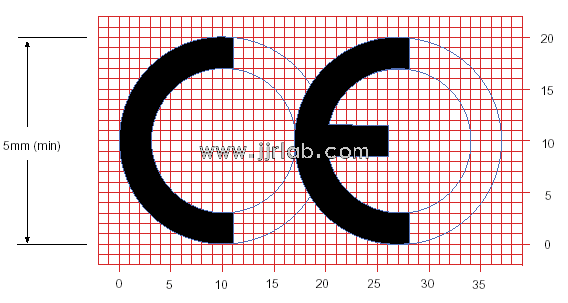
What is CE certification?
The "CE" mark is a safety certification symbol, considered a passport for manufacturers to open and enter the European market. CE stands for European Conformity. In the EU market, the "CE" mark is a mandatory certification mark. Whether products are manufactured within the EU or in other countries, they must bear the "CE" mark to circulate freely in the EU market, indicating that the product meets the basic requirements of the EU’s "New Approach Directives for Technical Harmonization and Standardization." This is a mandatory requirement by EU law for products.
CE Certification Standards for Hair Dryers
Household hair dryer CE certification generally includes two aspects: the Electromagnetic Compatibility Directive (EMC) and the low voltage directive (LVD). The EMC standards for household appliances are EN55014-1 and EN55014-2, and the LVD standard is en60335-1.
Applicable range: Household and similar-use electrical appliances with a rated voltage not exceeding 250V (single-phase appliances) and 480V (other appliances).
ce certification testing Items for Hair Dryers
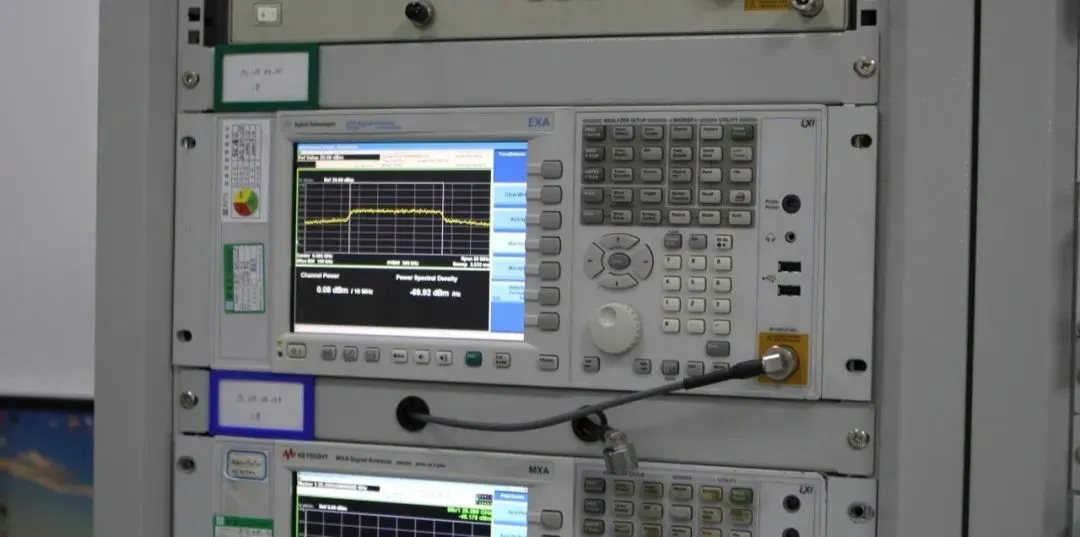
CE certification testing for hair dryers involves emc testing, which includes both Electromagnetic Emission (EMI) and Electromagnetic Immunity (EMS).
emi testing Items:
1. Conducted Emission (CE) (150kHz–30MHz)
2. Discontinuous Interference Voltage (clicks) (150kHz, 500kHz, 1.4MHz, and 30MHz)
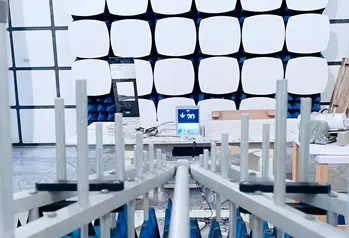
3. Interference Power (30MHz–300MHz)
4. Harmonic Current (2nd to 40th harmonics)
5. Flicker
EMS Testing Items:
1. Electrostatic Discharge Immunity
2. Radiated Electromagnetic Field Immunity (80MHz–1000MHz)
3. Electrical Fast Transient/Burst Immunity
4. Surge (lightning) Immunity
5. Injected Current (150kHz–230MHz) Immunity
6. Voltage Dips and Short Interruptions Immunity
lvd testing Items for CE Certification of Hair Dryers
1. Earth Continuity Test
2. Insulation Resistance Test
3. Withstand Voltage Test
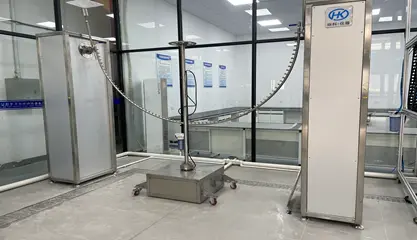
4. Airborne Noise Test
Documents Required for Hair Dryer CE Certification
1. 2–3 test samples
2. Circuit schematic diagram
3. Product manual or user guide
4. Application form (provided by the laboratory)
5. List of parts (BOM)
6. PCB diagrams (both sides)
ce certification process for Hair Dryers
1. Fill out the application form.
2. Provide product documentation.
3. Submit samples.
4. Testing completion.
5. Issuance of report/certificate.
Testing Timeline for Hair Dryer CE Certification
The processing time for hair dryer certification is approximately 5 working days.
Email:hello@jjrlab.com
Write your message here and send it to us
 What is EN 61000 Certification Compliance?
 How to get an EN 61000 Test Report?
 What is the Amazon EN 55035 Standard?
 What is EN 55035 Certification Compliance?
 How to get the EN 55035 Test Report?
 What is the Amazon EN 301 489 Standard?
 How to get an EN 301 489 Test Report?
 What is EN 301 489 Compliance Certification?
Leave us a message
24-hour online customer service at any time to respond, so that you worry!