



How to Conduct the Mandatory REACH Regulation Test Report in the EU?
The EU is increasingly stringent in regulating chemicals, especially toxic and hazardous ones. Chemical products must comply with the reach regulations for continuous sales in the EU.
Cross-border sellers on European platforms must also understand and comply with the REACH regulations regarding restricted substances to ensure their products are compliant in the European market.
So, what is the REACH regulation? How to comply with REACH requirements? This article will provide some insights into the REACH regulation.
What is the REACH Regulation?
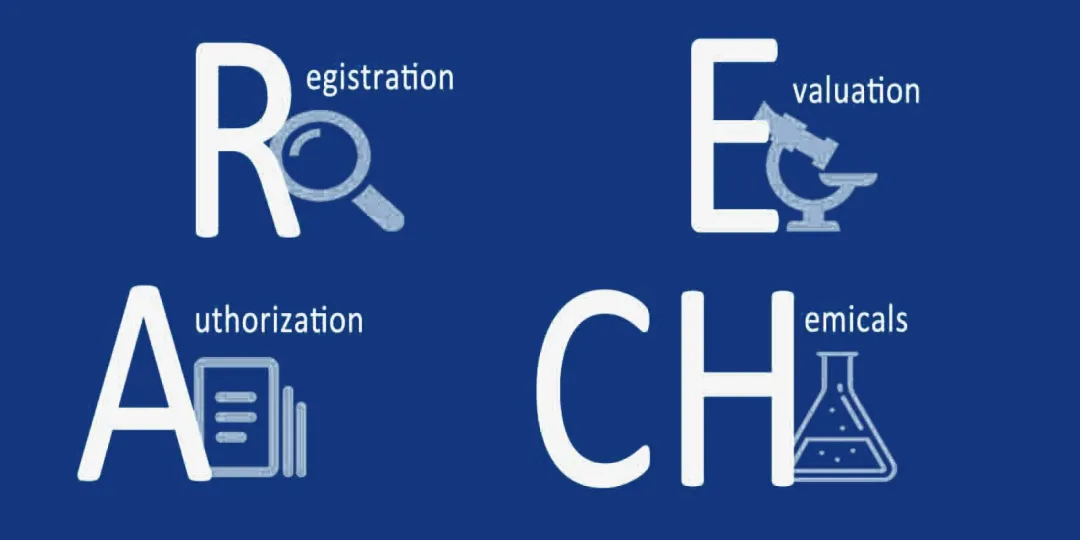
REACH stands for "Registration, Evaluation, Authorization, and Restriction of Chemicals." It is the EU regulation (EC) No 1907/2006 on the registration, evaluation, authorization, and restriction of chemicals.
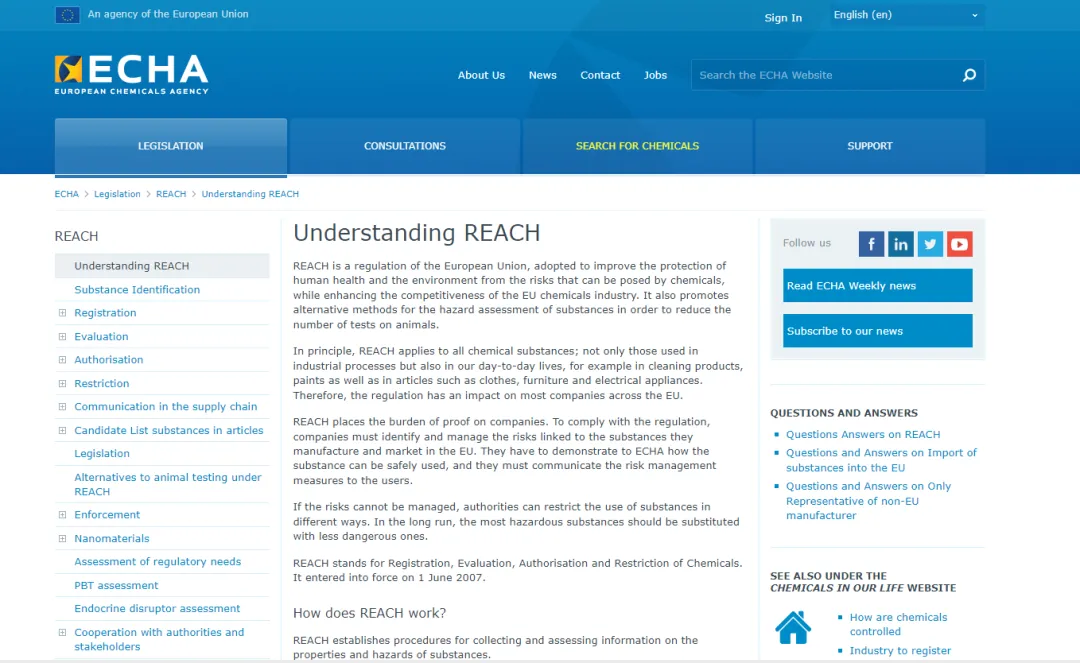
The REACH directive is the EU's preventive regulation for all chemicals entering its market, implemented on June 1, 2007. It is the EU's chemical regulatory system. As of March 22, 2024, the highly concerning svhc substances have increased to 204.
Scope of the REACH Regulation
The scope of the REACH regulation is very broad, covering the production and use of chemical substances in almost all industries, including both industrial chemicals and products derived from chemicals used in daily life.
Examples include chemicals, alloys, plastics, semi-finished products, jewelry, toy accessories, furniture, cosmetics, stationery, pigments, paints, adhesives and detergents, textiles, footwear products, leather products and accessories, electronic and electrical products, household items, recreational and sports goods, and more.
Specific Requirements of the REACH Regulation
The REACH regulation's restricted substances list (Annex XVII) imposes restrictions on the listed substances, including limitations or prohibitions on their manufacture, sale, or use.
Sellers must comply with the relevant REACH regulations to ensure their products do not contain substances listed in the restricted substances list or meet the usage restrictions.
Specific requirements:
1. Applicable Product Range: The scope of REACH regulations extends beyond industrial processes to everyday life, including but not limited to cleaning products, paints, clothing, furniture, and appliances.
2. Restriction Scope: The requirements of the restricted substances list apply to the specific chemical substances listed, whether as standalone substances or incorporated into mixtures or articles.
3. Restricted Substances List: As of January 10, 2024, Annex XVII of REACH has updated 78 restricted substances. Sellers must stay updated with the substance database. For a detailed product list, see: [List of Substances Restricted by REACH](https://echa.europa.eu/substances-restricted-under-reach).
4. Prohibited Components: According to Annex XVII of REACH, products containing prohibited components are not allowed on the market. Sellers must ensure that the products they sell do not contain any banned components.
5. Specified Content Limits: Annex XVII of REACH specifies maximum concentrations for certain restricted substances. Sellers must ensure that specific chemical components in their products do not exceed these maximum concentrations.

Impact of REACH on Sellers
REACH has a very wide impact as it applies to all chemical substances used in products manufactured, imported, and sold in the EU market. Currently, REACH restricts the use of over 1000 chemicals.
reach testing aims to manage chemicals by demonstrating that the product's purpose is to protect human health and the environment. Products with reach certification also reassure buyers, increasing trust.
Currently, cross-border e-commerce platforms like Amazon and Temu require sellers to complete reach compliance to meet EU regulations.
Amazon prohibits the sale of products exceeding the restriction levels specified in Annex XVII. For certain products, Amazon requires manufacturers to provide a REACH compliance declaration or test report proving the product complies with REACH regulations on cadmium, nickel, and lead content.
What is a REACH Compliance Declaration?
A compliance declaration is a document provided by the manufacturer or supplier confirming that their product meets specific regulatory or standard requirements. The declaration should also mention any Substances of Very High Concern (SVHC) contained in the product.
A REACH compliance declaration can be self-certified by the manufacturer or verified by a third-party testing agency. Special categories may have different requirements, which should be completed according to the store's backend requirements.
The compliance declaration should include the following information:
- The name and contact information of the manufacturer or supplier.
- A description and identification of the product.
- The applicable regulations or standards (e.g., REACH regulations).
- A statement confirming the product meets the relevant regulations or standards.
- Any additional necessary information or declarations.

The scope of REACH regulations is extensive. If sellers find that their products comply with REACH regulations, they should promptly heed platform notifications regarding relevant product restrictions.
Ensure proper labeling, packaging, and classification of the products sold to avoid inspections by EU regulatory authorities and platform restrictions.
Sellers looking to enter the European market should also ensure they have the relevant certifications and reports. If you need REACH testing certification or compliance declaration services, feel free to contact us!
Email:hello@jjrlab.com
Write your message here and send it to us
 What is UL 1642 Compliance Certification?
 What Is Amazon's UL 60335 Standard
 How to get a UL 60335 Test Report
 What is UL 60335 Certification Compliance?
 What is EN 61000 Certification Compliance?
 How to get an EN 61000 Test Report?
 What is the Amazon EN 55035 Standard?
 What is EN 55035 Certification Compliance?
Leave us a message
24-hour online customer service at any time to respond, so that you worry!