



What is EN 61000 Certification Compliance?
en 61000 certification compliance refers to the Electromagnetic Compatibility (EMC) evaluation completed by electrical and electronic equipment in accordance with the EN 61000 family of standards. It proves that the product "does not interfere with other equipment and can withstand external electromagnetic interference," thereby meeting the market entry requirements of the EU EMC Directive 2014/30/EU. It is typically not a government-issued "certificate," but rather a chain of compliance evidence composed of a test report + technical dossier + CE Declaration of Conformity (DoC).
What is the EN 61000 Standard?
EN 61000 is the standard family for electromagnetic compatibility adopted in Europe. Based on the iec 61000 series and published by CENELEC, it is one of the harmonized standards under the EU EMC Directive.
EMI (Electromagnetic Interference): Your product must not emit electromagnetic noise everywhere.
EMS (Electromagnetic Susceptibility / Immunity): When external interference occurs, your product must not malfunction or stop working.
Applicable Products: It covers almost all electrical and electronic equipment, including home appliances, power supplies, LED drivers, industrial controllers, inverters, energy storage devices, IT/AV equipment, instrumentation, medical devices, and more.
What is the Relationship Between EN 61000 and CE certification?
Many buyers ask: Is an "EN 61000 Certificate" the same as a ce certificate?
The answer is critical:EN 61000 Test Report ≠ CE Certificate.
General electronic products typically follow the "Manufacturer Self-Declaration" route: the laboratory issues an EN 61000 test report, the manufacturer signs the CE DoC, and the ce mark is affixed to the product.
Relationship Overview
Note: Wireless products must additionally comply with the RED Directive; high-voltage products may require the lvd directive; and products containing hazardous substances must comply with RoHS.
EN 61000 Standards
Generic Standards (by Operating Environment)
1.EN 61000-6-1: Residential, commercial, and light-industrial environments — Immunity
2.EN 61000-6-2: Industrial environments — Immunity
3.EN 61000-6-3: Residential, commercial, and light-industrial environments — Emission
4.EN 61000-6-4: Industrial environments — Emission
Mains Power Grid & Emission Limits
EN 61000-3-2: Harmonic currents
EN 61000-3-3: Voltage fluctuations and flicker
Immunity Test Methods (Most Commonly Tested)
1.EN 61000-4-2: Electrostatic Discharge (ESD)
2.EN 61000-4-3: Radiated Radio-Frequency Electromagnetic Field Immunity
3.EN 61000-4-4: Electrical Fast Transient / Burst (EFT)
4.EN 61000-4-5: Surge Immunity
5.EN 61000-4-6: Conducted Immunity
6.EN 61000-4-11: Voltage Dips and Short Interruptions
Rule: When dedicated product EMC standards exist, the product-specific standard takes precedence; generic EN 61000-6 standards are used only when no dedicated product standard exists.
EN 61000 Compliance Process
Determine the Operating Environment
Where is the product used?
1.Home / Office → 6-1 + 6-3
2.Factory / Equipment Room / Photovoltaic Station → 6-2 + 6-4
3.Equipped with Wi-Fi / Bluetooth → EMC + RED
4.Medical / Home Appliances / Agricultural Machinery → Refer to dedicated product standards
Prepare Technical Documentation
The technical file must include at least:
1.User Manual
2.Circuit Diagrams / PCB Layouts
3.Bill of Materials (BOM) for key components
4.Nameplate & Labels
5.EMC Design Documentation
6.Previous test or rectification records
Submit Samples to a Testing Laboratory
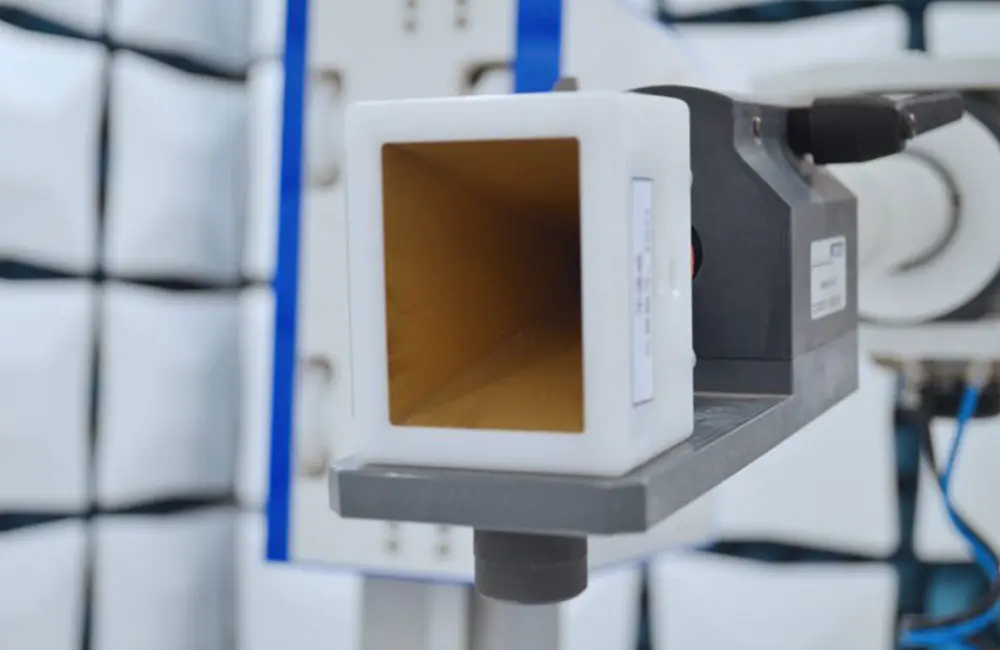
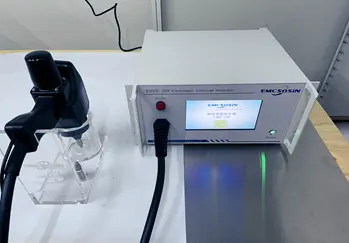
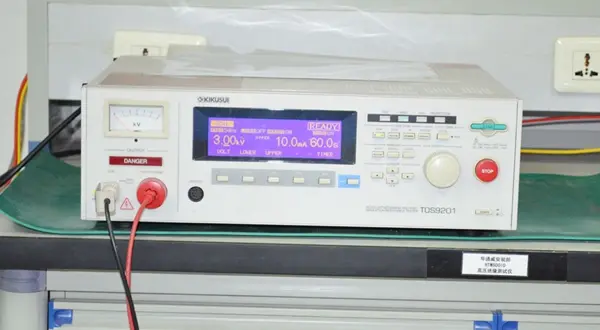
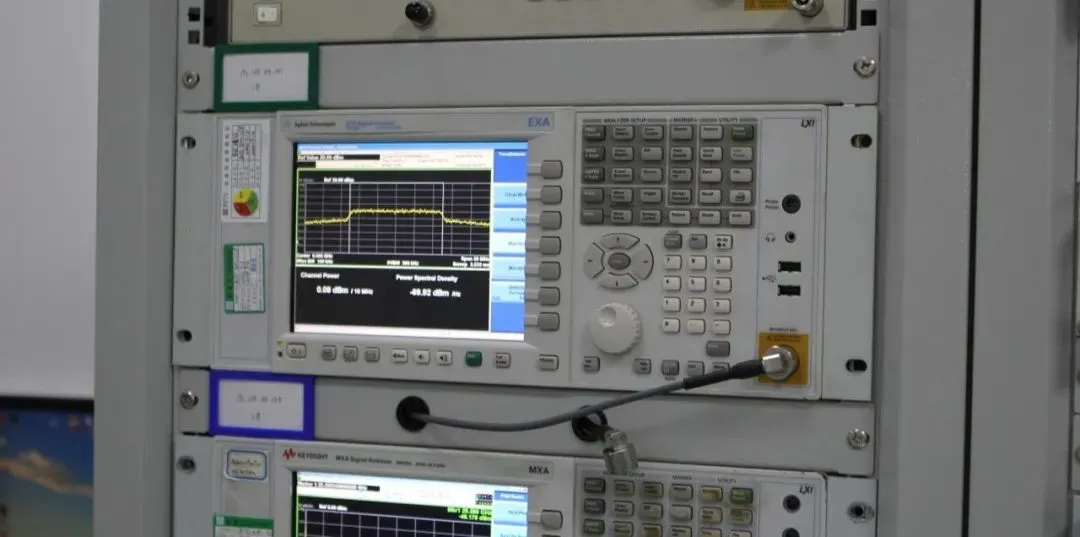
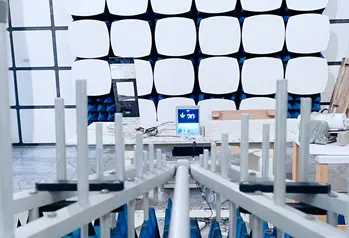
Select an ISO/IEC 17025 accredited laboratory (JJR LAB) equipped with an anechoic chamber, ESD guns, surge generators, and conducted test equipment.
Pre-Testing + Rectification
Pre-testing is strongly recommended for industrial applications, focusing on:
1.Filtering
2.Grounding
3.Shielding
4.Power input processing
5.PCB layout optimization
Issue Test Report + Sign DoC
The laboratory issues the EN 61000 test report; the manufacturer signs the EU Declaration of Conformity (DoC). Non-EU companies typically also require an Authorized Representative (EAR) within the EU.
Affix CE Mark + File Retention
Technical documentation must typically be retained for 10 years, and re-evaluation is required whenever standards are updated.
FAQ: Frequently Asked Questions
Is EN 61000 mandatory?
Yes, it is a mandatory compliance requirement under the EU EMC Directive. However, for most products, it is not a "government-issued certificate," but rather a manufacturer's self-declaration backed by testing evidence.
Is EN 61000 still required if I already have fcc certification?
Yes. FCC is the compliance path for the United States, while EN 61000 is the emc compliance path for the European Union. Test methods and pass/fail criteria are not completely interchangeable.
Which is more difficult: EN 61000-6-2 or EN 61000-6-4?
Industrial environments are generally more difficult. 6-2 covers industrial immunity, and 6-4 covers industrial emissions. Field strength, transient, and surge severity levels are typically stricter than those for residential/commercial environments.
Is EN 61000 alone sufficient for wireless products?
No. Wi-Fi, Bluetooth, and 4G/5G products must also comply with the RED Directive 2014/53/EU, which integrates EMC, safety, and radio spectrum requirements.
How long is the test report valid?
There is no universal rule like "valid for 1 year." Re-evaluation is necessary whenever the standard version is updated, or when design or supply chain changes occur.
Are EN 61000 test reports issued by domestic (Chinese) laboratories recognized in the EU?
It depends on the laboratory's scope of accreditation and customer requirements. If the lab is ISO/IEC 17025 accredited and its testing scope covers the relevant standards, the report can usually serve as valid evidence for the DoC. However, certain buyers or Notified Bodies may have specific additional requirements.
Email:hello@jjrlab.com
Write your message here and send it to us
 What is EN 61000 Certification Compliance?
 How to get an EN 61000 Test Report?
 What is the Amazon EN 55035 Standard?
 What is EN 55035 Certification Compliance?
 How to get the EN 55035 Test Report?
 What is the Amazon EN 301 489 Standard?
 How to get an EN 301 489 Test Report?
 What is EN 301 489 Compliance Certification?
Leave us a message
24-hour online customer service at any time to respond, so that you worry!