



How to get EU ERP energy efficiency Certification?
In 2009, the European Union introduced a groundbreaking regulation known as the Energy-related Products Directive (ERP). This regulation aims to significantly enhance the environmental performance of products by setting minimum mandatory standards for eco-design. It applies broadly to appliances, information and communication technology products, and more. The directive promotes efficient use of energy and resources, reduces dependence on natural resources, and protects the environment while avoiding trade barriers.
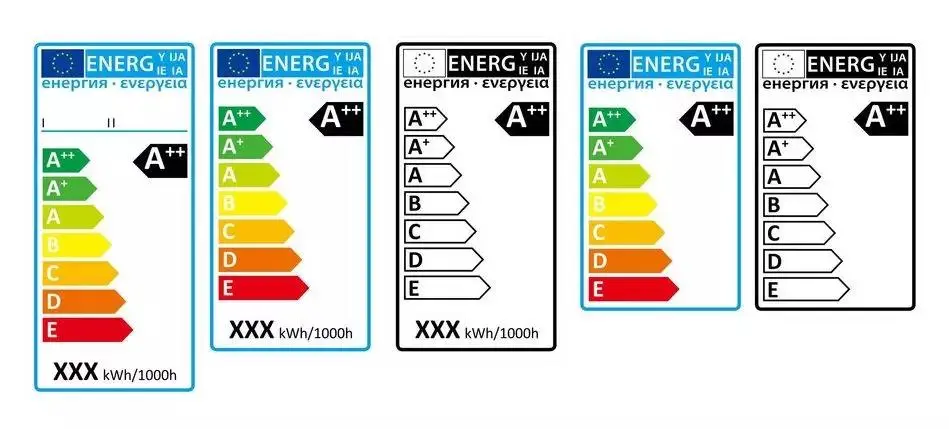
On October 21, 2009, the EU released Directive 2009/125/EC, replacing the previous Directive 2005/32/EC on ecodesign requirements for energy-using products. This expansion widened the scope to cover all energy-related products, underscoring the EU's commitment to environmental protection. The erp directive not only serves as a new ce marking regulation but also integrates requirements with safety specifications, electromagnetic compatibility, and radio standards into a comprehensive framework for product design.
Which products require European ERP Energy Efficiency Certification?
The ERP Directive covers various product categories, including but not limited to:
- Household appliances such as refrigerators, washing machines, and dryers
- Office equipment including computers and printers
- Lighting equipment like LED and energy-saving lamps
- Industrial and commercial equipment such as fans, pumps, and HVAC systems
- Power supplies such as adapters and power supplies
Key Requirements:
The ERP Directive sets specific requirements for different product categories:
- Energy Efficiency Standards: Products must achieve specific energy efficiency grades to reduce energy consumption.
- Environmental Design: Encourages the use of recyclable materials, reduction of hazardous substances, and consideration of overall environmental impacts.
- Consumer Information: Provides clear information on energy efficiency and environmental impacts to assist consumers in making environmentally friendly choices.
- Waste Management: Advocates measures to reduce waste generation and increase product recycling rates.
European ERP Energy Efficiency Certification Process:
1. Select Certification Body: Companies must first choose an EU-accredited ERP Energy Efficiency Certification body. (China JJR Laboratory is an IEC 17025 accredited laboratory that can provide this service.)
2. Submit Application: Submit an ERP Energy Efficiency Certification application to the chosen certification body, providing product information and technical documents.
3. Product Testing: The certification body conducts energy efficiency testing and provides a test report.
4. Report Review: The test report undergoes review to ensure compliance with ERP Energy Efficiency Certification requirements.
5. Certificate Issuance: Upon meeting all requirements, the certification body issues an ERP Energy Efficiency Certification.
6. Registration: After certification, companies must register product information on the EU ERP Energy Efficiency Certification website.
Note: Non-compliance with ERP Directive may lead to severe consequences, including product prohibition from entering the EU market and fines.
Market surveillance authorities in EU member states oversee and enforce ERP Directive requirements to ensure effective implementation of the regulation.
Email:hello@jjrlab.com
Write your message here and send it to us
 EMC Testing Lab IEC 60601 Medical Electrical Safet
 What are the FCC Testing Requirements for Bluetoot
 Australia RCM Certification for Radio Devices
 RED Cybersecurity EN 18031 Standard
 Compliance Testing for EMC
 What is Amazon Toy Compliance?
 What is Cytotoxicity ISO 10993-5
 What is Hemocompatibility Testing ISO 10993?
Leave us a message
24-hour online customer service at any time to respond, so that you worry!