



Introduction to Bluetooth BQB Certification
Bluetooth certification, also known as BQB Certification, is required if your product has Bluetooth functionality and you intend to display the Bluetooth logo on its appearance. All Bluetooth SIG member companies can use the Bluetooth wordmark and logo upon completing the certification process. These marks are exclusively for products that have undergone the Bluetooth qualification process.
A significant change in Bluetooth branding is the discontinuation of the "Bluetooth Smart" and "Bluetooth Smart Ready" trademarks. The Bluetooth wordmark is also a registered trademark, and its format cannot be altered or translated into any other language.
Qualification of Bluetooth Products
Not all products with Bluetooth functionality are considered official Bluetooth products. Only those that pass testing and certification by the Bluetooth SIG (Special Interest Group) and meet Bluetooth standards can enter the market as Bluetooth products. Additionally, the Bluetooth and BLUETOOTH logos and trademarks are registered by the Bluetooth SIG organization. Products must be SIG-certified to ensure compatibility and compliance with Bluetooth standards, allowing legal use of Bluetooth trademarks, logos, and related specifications.
Certification Mark
(Typically, a visual representation of the certification mark is provided in this section.)
Testing Items
1. RF (Radio Frequency) Conformance testing
2. Protocol Conformance Testing
3. Profile Compatibility Testing
4. Declaration of Compliance
Required Documentation
1. Company information
2. Product model and name
3. Registration with Bluetooth SIG (username and password required)
4. Authorization letter (for company module applications)
Sample Requirements
A total of two samples are required:
- One sample with an RF output line that can enter test mode
- One fully functional sample with two sets of accessories
Certification Timeframe & Validity
- Certification process takes approximately three weeks
Factory Inspection
- No factory inspection is required
Important Notes
1. Conditions for Using Bluetooth Branding
- The company must be a Bluetooth SIG member to use the Bluetooth brand.
- Member companies must ensure that Bluetooth-branded products undergo proper qualification and comply with licensing agreements. The qualification and declaration process must be completed using the online tools managed by Bluetooth SIG.
2. Rights of Bluetooth SIG Members for Using Bluetooth Branding
- Utilize Bluetooth technology in their products and services.
- Incorporate the Bluetooth brand in their products and services.
- Rebrand or resell products that use Bluetooth technology.
Guidelines for Logo Usage
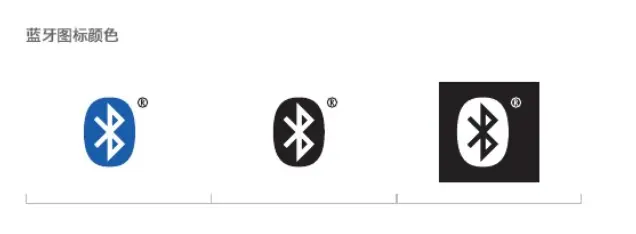
- The graphical trademark may be used in blue, black, or reversed colors.
- In special cases, black or white may also be used.
- When displayed in blue, the following color specifications must be adhered to:
- Pantone 286 coated
- Pantone 286 uncoated
- CMYK: 100% Cyan, 60% Magenta, 0% Yellow, 6% Black
- RGB: Red 34, Green 96, Blue 165
Email:hello@jjrlab.com
Write your message here and send it to us
 What is UL 1642 Compliance Certification?
 What Is Amazon's UL 60335 Standard
 How to get a UL 60335 Test Report
 What is UL 60335 Certification Compliance?
 What is EN 61000 Certification Compliance?
 How to get an EN 61000 Test Report?
 What is the Amazon EN 55035 Standard?
 What is EN 55035 Certification Compliance?
Leave us a message
24-hour online customer service at any time to respond, so that you worry!