



IoT Testing China Laboratory
The Internet of Things (IoT) refers to the real-time collection of any object or process that requires monitoring, connection, and interaction through various devices and technologies such as information sensors, RFID technology, GPS, infrared sensors, laser scanners, etc. It collects various types of information such as sound, light, heat, electricity, mechanics, chemistry, biology, and location, and achieves ubiquitous connection between objects and people through various possible network accesses, realizing intelligent perception, recognition, and management of objects and processes. The application fields of IoT are wide-ranging, including applications in infrastructure such as industry, agriculture, environment, transportation, logistics, security, as well as applications related to daily life such as home, healthcare, education, finance and service industry, tourism, and more.
JJRLAB's IoT laboratory mainly focuses on developing smart terminal products using technologies such as NB-IoT, Bluetooth, Wi-Fi, RFID, AR VR, etc., such as smart lights, smart toothbrushes, AR VR smart glasses, smart cameras, smart doorbells, smart alarms, and provides testing and certification services.
Product Range
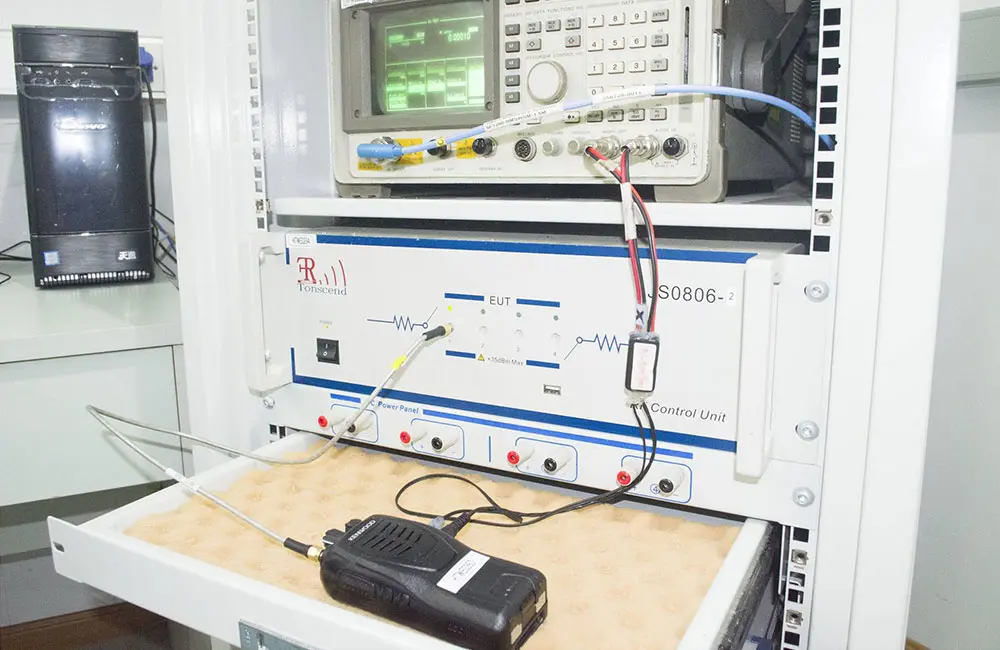
- Communication terminal products: smartphones, Bluetooth headsets, drones, tablets, walkie-talkies, AR/VR products, laptops, POS machines, cloud service devices
- IoT products: NB-IoT products, facial recognition products, fingerprint recognition products, security, surveillance products
- Smart home products: smart wearable products, smart robots, smart home appliances
- Connected car products: automotive electronics products, unmanned driving products
- Medical electronics products: household medical electronics products, smart medical products
- Bluetooth component products: Bluetooth modules, Bluetooth chips
IoT Testing Standards
- ETSI EN 301511, fcc 47 CFR Part 24H, 3GPP TS 51.010-1/-2
- ETSI EN 301908-1, FCC 47 CFR Part 27L, MIC Article 2 paragraph 1 of item 11-3
- ETSI EN 301908-2, 3GPP TS 34.121-1/-2, MIC Article 2 paragraph 1 of item 11-99
- ETSI EN 301908-13, 3GPP TS 36.521-1/-2, MIC Notice No.88 Appendix No.26
- FCC 47 CFR Part 22E, 3GPP TS 36.523, MIC Notice No.88 Appendix No.29
JJRLAB IoT Testing Advantages
- JJRLAB is a professional third-party testing and certification institution, accredited by CNAS, ISO/IEC 17025, TAF, with nearly 20 years of industry experience and high international recognition;
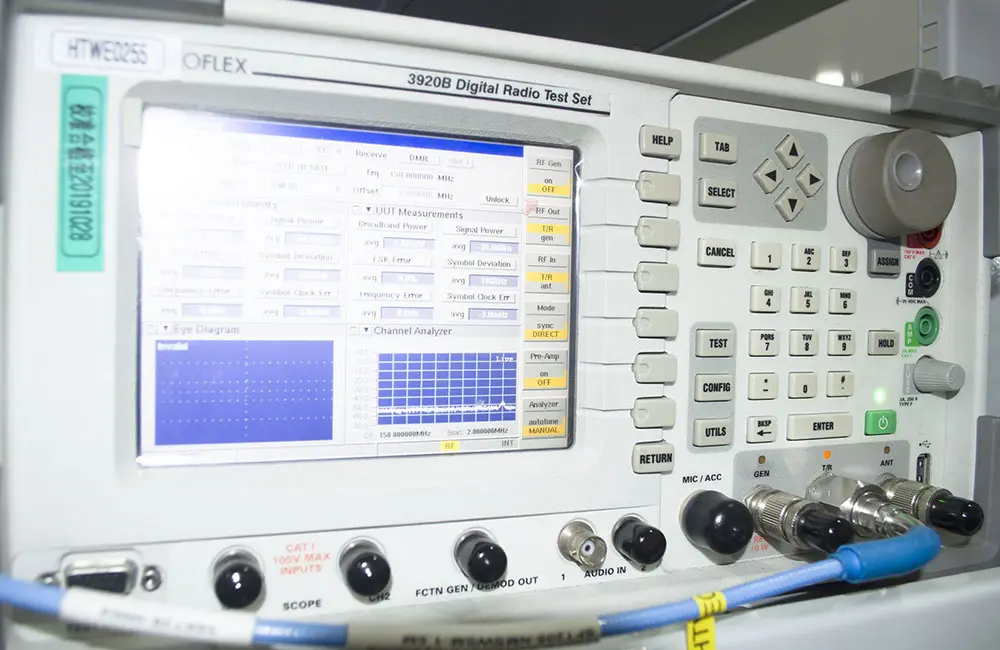
- JJRLAB is one of the earliest Bluetooth testing laboratories recognized by the Bluetooth Special Interest Group (SIG) in China and one of the few Bluetooth chip protocol testing laboratories;
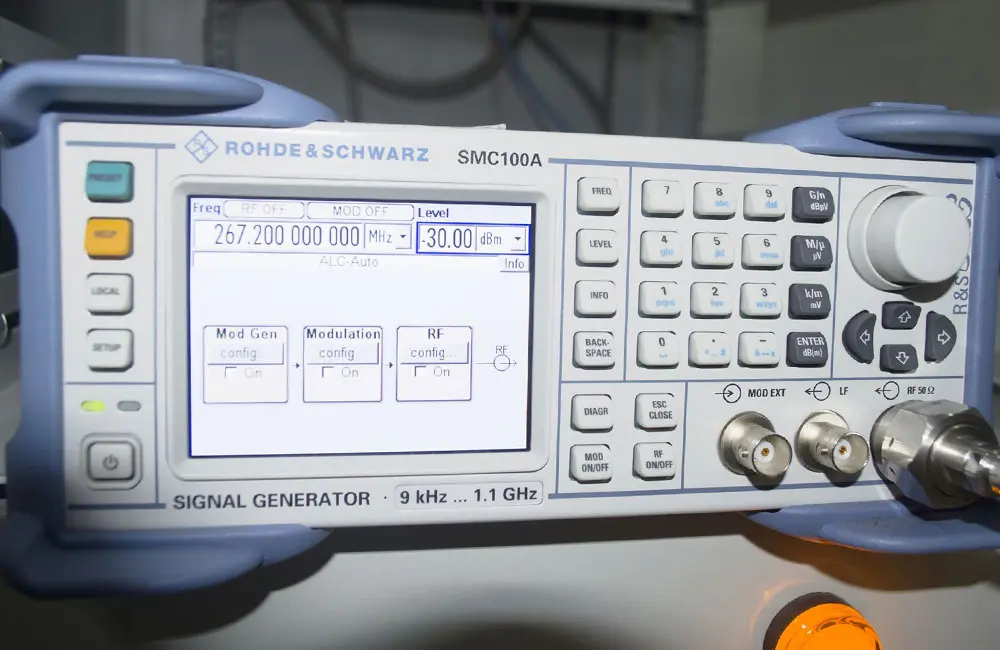
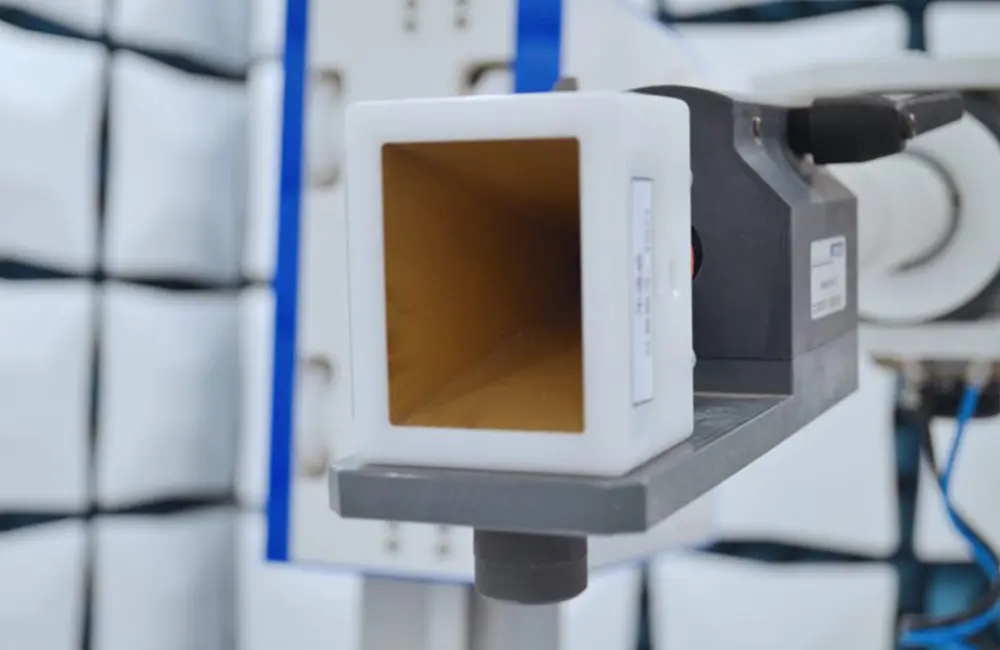
- JJRLAB has set up two sets of OTA testing systems, capable of completing 5G NR (Sub-6G), Wi-Fi 6 testing;
- JJRLAB has introduced multiple sar testing devices, with the ability to test SAR and power density (PD) of Wi-Fi 6E;
- JJRLAB uses self-developed laboratory management platform to ensure scientific and efficient project management;
- JJRLAB has rich testing experience, having successfully served over a thousand customers and completed over ten thousand project tests;
- JJRLAB, as a trusted third-party testing and certification institution globally, escorts your quality.
Email:hello@jjrlab.com
Write your message here and send it to us
What is EN 61000 Certification Compliance?
 How to get an EN 61000 Test Report?
 What is the Amazon EN 55035 Standard?
 What is EN 55035 Certification Compliance?
 How to get the EN 55035 Test Report?
 What is the Amazon EN 301 489 Standard?
 How to get an EN 301 489 Test Report?
 What is EN 301 489 Compliance Certification?
Leave us a message
24-hour online customer service at any time to respond, so that you worry!