



IP Dustproof and Waterproof Testing Laboratory
What is IP Testing:
The IP code is widely used to indicate the degree of protection electrical equipment has against dust and water. "IP" stands for International Protection. The IP code defined in standard 60529 categorizes the level of protection the enclosure provides against the ingress of foreign objects (including steel balls, copper wire, dust, and water) into electromechanical products.
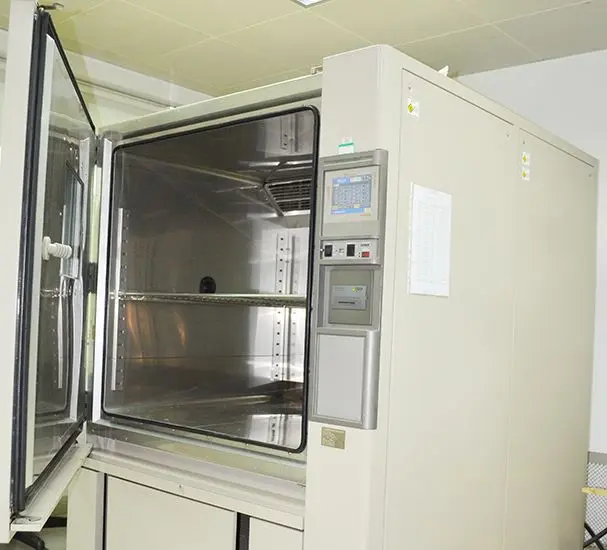
ip rating test Values Are Divided Into Two Groups:
- One group is for foreign objects and dust (i.e., solids).
- The other group is for liquids (such as water).
Each rating starts with "IP," which stands for Ingress Protection. The numbers following "IP" correspond to the level of protection against solids and dust ingress.
- The first digit (0 to 6) indicates the degree of protection against solid objects entering the enclosure, such as tools, wires, hands, fingers, or dust.
- The second digit indicates protection against liquids.
If only one type of protection is rated, the other is represented by an "X." For example, IP1X indicates a level 1 protection against foreign objects and dust, but no rating for liquid ingress is provided. Note that "X" does not mean zero protection.
The second digit ranges from 0 to 8, representing the level of protection against water entering the enclosure. For example, IP54 means level 5 protection against solid objects and level 4 protection against liquids.
IP Rating Tests:
First Digit of IP Code (Protection Against Solid Objects):
- 0: No special protection
- 1: Protection against solid objects larger than 50 mm (e.g., accidental contact with the hand)
- 2: Protection against solid objects larger than 12.5 mm (e.g., fingers)
- 3: Protection against solid objects larger than 2.5 mm (e.g., tools and wires)
- 4: Protection against solid objects larger than 1 mm (e.g., tools, wires, and small wires)
- 5: Protection against harmful dust ingress
- 6: Completely dust-tight
Second Digit of IP Code (Protection Against Liquids):
- 0: No special protection
- 1: Protection against vertically falling water drops
- 2: Protection against water drops falling at up to a 15° angle from vertical
- 3: Protection against water spray falling at up to a 60° angle from vertical (rainfall)
- 4: Protection against water splashed from any direction
- 5: Protection against low-pressure water jets from any direction (12.5 L/min)
- 6: Protection against temporary immersion in water with a flow of 100 liters per minute (e.g., ship deck environment)
- 7: Protection against effects of immersion in water up to 1 meter depth for a short time
- 8: Protection against continuous immersion under pressure (e.g., immersion in 1.5 meters of water for 1 hour) or against hot water jets (80°C) sprayed at 15 L/min for 30 seconds from multiple directions using specified rotating nozzles
Common Standards Used for IP Protection Testing:
1. Standard: iec 60529:1989 + AMD1:1999 + AMD2:2013
2. EN Standard: EN 60529:1991 + A1:2000 + A2:2013
3. GB Standard: GB/T 4208-2017
Email:hello@jjrlab.com
Write your message here and send it to us
 FCC Certification Requirements and Costs for Consu
 EMC Testing Lab IEC 60601 Medical Electrical Safet
 What are the FCC Testing Requirements for Bluetoot
 Australia RCM Certification for Radio Devices
 RED Cybersecurity EN 18031 Standard
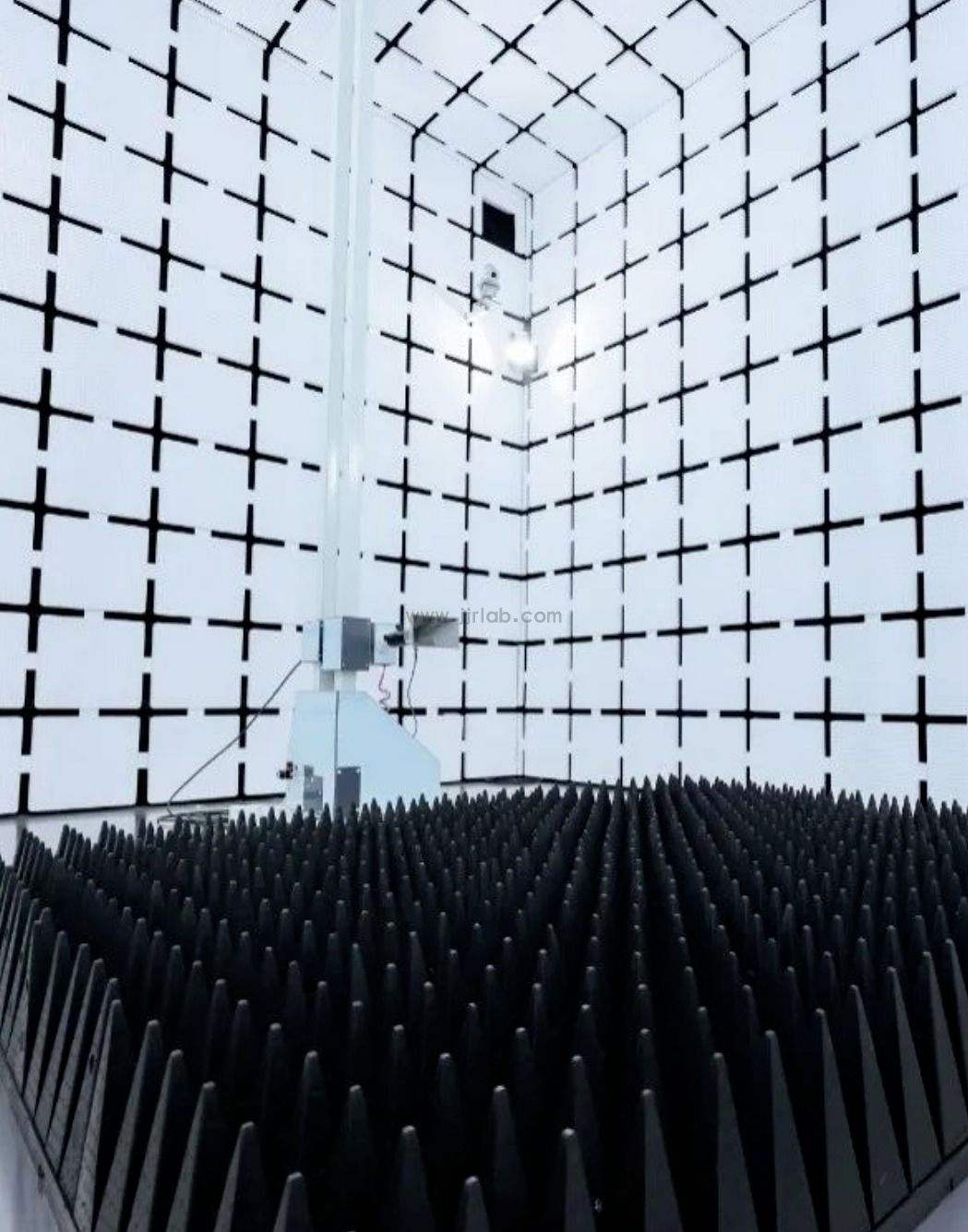 Compliance Testing for EMC
 What is Amazon Toy Compliance?
 What is Cytotoxicity ISO 10993-5
Leave us a message
24-hour online customer service at any time to respond, so that you worry!