



What Are the EU Compliance Requirements for Floor Scrubbers?
The global export value of floor scrubbers is projected to exceed USD 30 billion in 2025, with Europe and the US accounting for over 60% of the market. However, a recent incident saw 1,200 units of a company’s products detained at the port for failing to meet the new EU ERP energy efficiency regulations, resulting in losses of more than RMB 2 million. This article breaks down the core certification requirements for Europe and the US, accompanied by practical corporate cases, to help you achieve compliant overseas expansion.
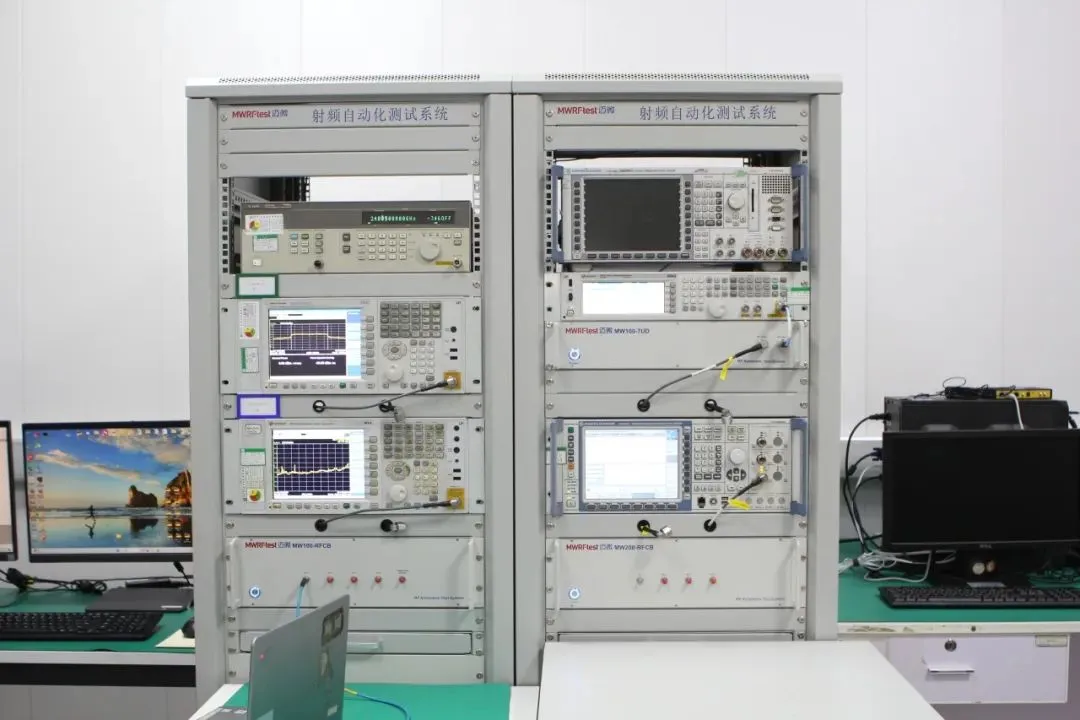
European Market: CE certification is Mandatory
ce-lvd Safety Certification
It complies with the EN 60335-2-10 standard, with key tests including insulation resistance and leakage current. Failure to meet waterproof performance requirements is a common cause of non-compliance (e.g., failed IP rating tests).
CE-EMC Electromagnetic Compatibility
It must adhere to the EN 55014-1/2 standards. Excessive radiated emissions are the primary issue, and models with wireless functions require additional CE-RED certification.
ERP Energy Efficiency Certification
The 2025 new regulations mandate a standby power consumption of ≤0.5W, which will be tightened to 0.3W in 2027. Products must be registered in the EPREL database and affixed with an energy efficiency label (marked with A-G grades).
US Market: FCC Regulates Electromagnetism, UL Oversees Safety
Safety Certification - UL Standards
Products must pass UL certification in compliance with the UL 1017 standard, with core tests including:
① Mechanical safety: Shell impact resistance, edge and corner protection, and isolation of moving parts;
② Electrical safety: Withstand voltage, leakage current, and insulation resistance tests;
③ Temperature rise control: No excessive temperature rise of key components such as motors during continuous operation.
Application documents required: Circuit diagrams, BOM lists, UL certification documents for key components.
Certification cycle: 6-8 weeks.
Battery Certification - un38.3 & FCC
Lithium battery-powered floor scrubbers require dual certification:
① UN38.3: Pass 8 transportation safety tests including altitude simulation and short circuit; test reports and MSDS must be provided;
② fcc part 15B: Electromagnetic radiation must comply with the limits in the 30MHz-1GHz frequency band; CB-certified battery modules are preferred. It is recommended to additionally prepare ul 2054 certification (subject to random inspection by customs).
Electromagnetic Compatibility (EMC) Testing - FCC & CISPR
① fcc part 15b: Tests conducted for conducted disturbances (150kHz-30MHz) and radiated disturbances (30MHz-1GHz), with stricter limits than CISPR 14-1;
② CISPR 14-1: Immunity tests (including electrostatic discharge ±8kV, radio frequency radiation 3V/m, etc.).
How to Pass Tests Smoothly and Sell in Compliance
Regulatory Standard Updates and Labeling
Track updates from authoritative channels and adapt material procurement, production processes and test items in a timely manner to avoid export disruptions caused by outdated standards.
Key risks: Missing or inconsistent information may lead to customs detention, consumer complaints and even official notifications for product recall (General Administration of Customs of the People's Republic of China).
EU-Related Requirements
① Frequent regulatory iterations: For example, the General Product Safety Regulation (EU 2023/988) implemented in December 2024 has strengthened product traceability requirements; starting from 2025, batteries must be affixed with a separate collection symbol (EU 2023/1542); basic directives such as LVD also update test standards regularly (General Administration of Customs of the People's Republic of China).
② Labeling requirements: The ce mark, product model, postal and electronic addresses of the EU responsible person, and batch/serial number must be marked; lithium batteries must be affixed with recycling symbols and QR codes in phases.
③ Instruction manuals: Compiled in the official languages of the EU, including safety warnings, maintenance guidelines and compliance statements.
US-Related Requirements
① Certification requirements are adjusted dynamically based on technological development and safety incidents (e.g., random inspection standards for battery products may be upgraded).
② Labeling requirements: UL/FCC and other certification marks, manufacturer information and safety warnings must be clearly displayed.
③ Instruction manuals: Detailed operating specifications and risk prompts must be included, with the language complying with the requirements of the target states.
Recommended Strategies for Sellers
1. Confirm whether the product is classified as a toy and whether it meets both EN 71 and EN 62115 standards simultaneously.
2. Select compliant testing institutions to ensure valid reports and standardized formats, avoiding rejection due to report issues.
3. Use the CE mark in a standardized manner, upload relevant compliance documents to Amazon in a timely manner, and cooperate with platform audits.
Email:hello@jjrlab.com
Write your message here and send it to us
 How to get a UL 60335 Test Report
 What is UL 60335 Certification Compliance?
 What is EN 61000 Certification Compliance?
 How to get an EN 61000 Test Report?
 What is the Amazon EN 55035 Standard?
 What is EN 55035 Certification Compliance?
How to get the EN 55035 Test Report?
What is EN 55035 Certification Compliance?
How to get the EN 55035 Test Report?
 What is the Amazon EN 301 489 Standard?
Leave us a message
24-hour online customer service at any time to respond, so that you worry!