



What Certifications Are Required for Exporting Products to Italy?
When exporting products to Italy, it is essential to provide the relevant certifications based on the product type. As a member of the European Union, Italy adheres to the EU's general certification standards for most products. Below is an overview of the primary certifications required for exporting various product categories to Italy:
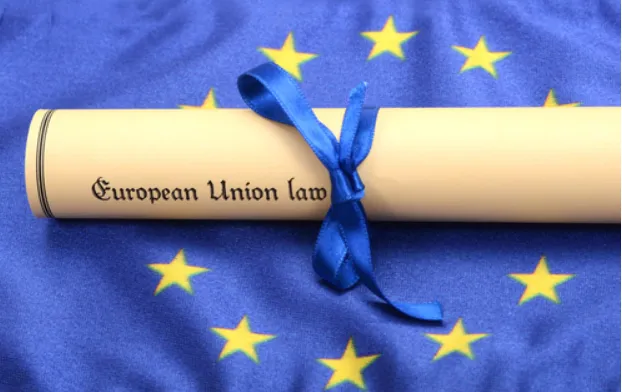
The CE (Conformité Européenne) mark is a mandatory requirement for nearly all electrical and electronic products entering the EU market, including Italy. It indicates that the product complies with EU safety, health, and environmental protection regulations.
- Importance: Especially crucial for home appliances or medical devices, such as vibration massage balls.
- Requirements: Manufacturers must ensure their products undergo appropriate testing and provide technical documentation and supporting materials to demonstrate compliance.
2. RoHS Directive
The RoHS (Restriction of Hazardous Substances) Directive limits the maximum concentration of certain hazardous substances used in electrical and electronic equipment.
- Relevance: Though this is an EU-wide regulation, Italy’s strong environmental focus means that products exported there must comply with RoHS.
3. WEEE Directive
The WEEE (Waste Electrical and Electronic Equipment) Directive governs the disposal of electrical and electronic waste, requiring producers to take responsibility for recycling.
- Importance: Understanding and complying with WEEE regulations is crucial for electrical and electronic products exported to Italy.
4. E-Mark Certification
Products involving motor vehicle components may need to apply for E-Mark certification. This ensures that components installed in vehicles do not affect road safety.
5. Medical Device Registration
Products classified as medical devices, such as certain types of massage equipment, require additional registration with the Italian Ministry of Health, beyond the CE certification.
- Requirements: Submit detailed technical documents, clinical trial data, and quality management system information.
6. Food Contact Materials Certification
If a product, like a vibration massage ball, allows direct contact with food (e.g., a heating pad), it must comply with Italy’s specific food contact material regulations.
- Standards: This includes, but is not limited to, LFGB (Lebensmittel- und Futtermittelgesetzbuch), EN 1186 series standards, and other local regulations.
7. Energy Efficiency Label
Under the EU Energy Efficiency Directive, some household appliances must display an energy efficiency label that shows their energy rating.
- Application to Italy: This is especially important for high-energy-consuming products like air conditioners and refrigerators. Products with heating functions, like vibration massage balls, may also require this label.
8. Consumer Protection Laws
Italy has strict consumer protection laws requiring imported goods to include clear, understandable user manuals and service guides, written in Italian.
- Other Requirements: Any potential risk warnings must also be clearly marked in the local language.
9. Other Industry-Specific certifications
Depending on the industry, additional certifications may be required:
- Toys: Must comply with the EN 71 series standards.
- Textiles: Must adhere to restrictions on chemical substances under the reach regulations.
Before exporting a product to the Italian market, businesses must carefully assess the specific attributes of their products and prepare the required certifications. Additionally, due to the continuously evolving regulations in Italy and the EU, it is advisable to stay updated on official guidelines to ensure ongoing compliance with market entry requirements. For complex products or uncertain situations, seeking professional consultancy services can help navigate these challenges.
JJR Lab in China offers a wide range of services, including:
- CE Certification for electronic products and wireless devices
- Energy Efficiency Certification
Email:hello@jjrlab.com
Write your message here and send it to us
 What is the ASTM F2167 Certification Test?
 What is the ASTM F2050 Certification Test?
 What is ASTM F1967 Certification Testing? How to g
 What is the ASTM F1917 Certification Test?
 How to get ASTM F1821 Certification
 What is the ASTM F1821 Testing Standard?
 Electronic Products Safety Testing Laboratory
 HAC Hearing Aid Compatibility Testing
Leave us a message
24-hour online customer service at any time to respond, so that you worry!