



What Is the UL 62368-1:2025 Test Report?
Approved by the American National Standards Institute (ANSI), ul 62368-1:2025 “Audio/Video, Information and Communication Technology Equipment – Part 1: Safety Requirements” (Fourth Edition)was officially published and adopted as a U.S. National Standard on July 31, 2025.
This standard corresponds to the International Standard iec 62368-1:2023 (Fourth Edition)and the European Standard EN IEC 62368-1:2024 (Fourth Edition). It marks a comprehensive upgrade of the U.S. safety regulatory system for Audio/Video and Information & Communication Technology (AV/ICT)equipment.
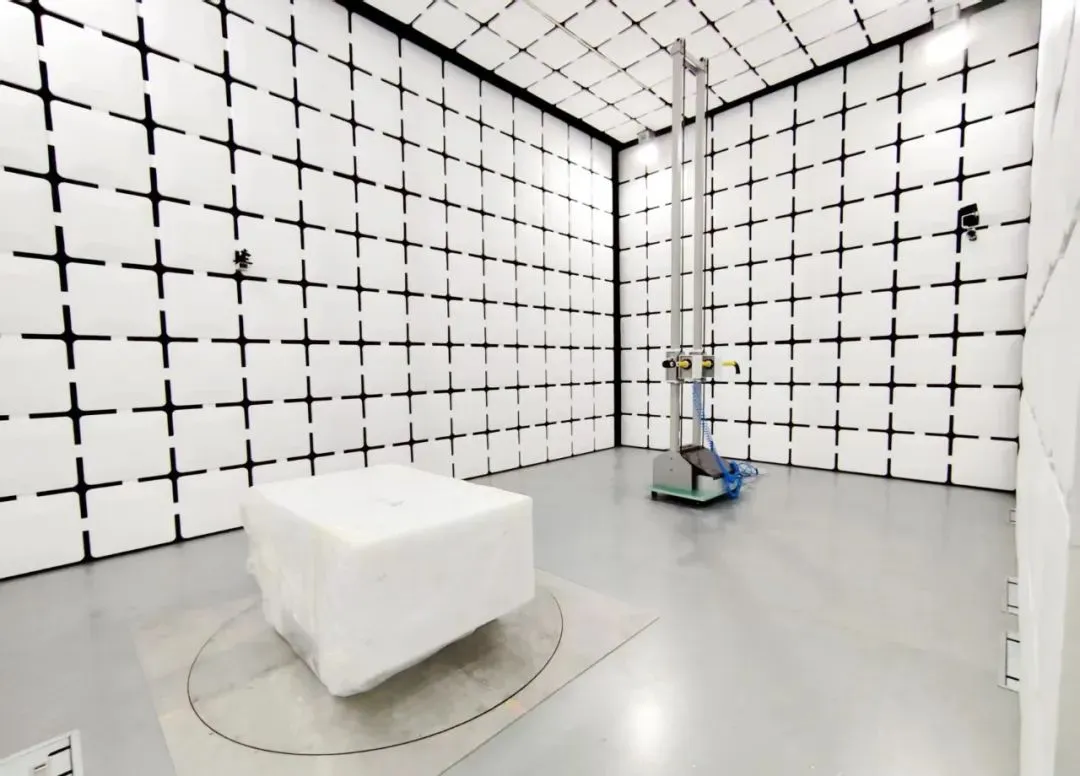
Standard Upgrade
UL 62368-1:2025 is based on IEC 62368-1:2023 (4th Edition)and shifts its core approach from “product category-based regulation”to “energy source risk-based control.”
The standard classifies energy sources into three levels:
- ES1 (Energy Source Class 1):Safe to touch (e.g., output voltage ≤ 60V DC, current ≤ 8A); user contact is permitted.
- ES2 (Energy Source Class 2):Perceptible but not hazardous (e.g., 75V DC); additional protective measures required.
- ES3 (Energy Source Class 3):High-risk energy sources (exceeding ES2 limits); must be isolated or physically enclosed to prevent contact.
Major Technical Updates
### 1. Component Certification Requirements
Components certified under legacy standards iec 60950-1(IT equipment) or IEC 60065(audio/video equipment) are no longer accepted.
Manufacturers relying on legacy-certified components must immediately review their BOM lists, as many parts will require re-certification or replacement.
### 2. Button Battery Safety
Updated the structural requirements for button batteries, adding compliance with UL 4200a(standard for products containing button/coin cell batteries).
### 3. Power Output Parameters
Revised tables for external circuit requirements, aligned classifications with IEC TR 62102, and updated overvoltage limits for different circuit categories.
### 4. Mechanical Structure Requirements
Updated flame enclosure openingrequirements, particularly the side opening size specifications.
### 5. Wireless Charging Foreign Object Test
Refined test methods for wireless charging foreign objects.
Now includes:
- Part A:Apply power first, then place foreign objects.
- Part B:Place foreign objects first, then apply power.
Also specifies coil alignment requirements before testing.
### 6. Resistor Safety Protection
Added that fuse resistors used for safety protectionmust comply with IEC 60127-8.
### 7. Liquid Cooling Component Requirements
Introduced new requirements for liquid cooling systems exceeding 1L capacity, including leak detection, fluid compatibility, and pressure relief.
Applicable to AI serversand high-performance computing devices.
### 8. Battery System Requirements
Significantly updated requirements for rechargeable lithium batteries.
Added mandatory provisions for stationary lithium battery systems, covering data center backup powerand large-scale energy storage.
Introduced segmental testingfor batteries with multi-section parameters.
### 9. Mesh/Grill Structure Equipment Requirements
For devices with mesh, grille, breathable materials, or foam/fabric-covered surfaces, new fire propagation testsare required for external heat sources.
Scope of Impact
UL 62368-1:2025 applies to all electronic devices powered by the grid or by batteries, including but not limited to:
- Computers and Peripherals:Laptops, servers, routers, UPS systems
- Consumer Electronics:Bluetooth earphones, smart speakers, digital cameras, drones
- Display Devices:LCD TVs, LED displays, projectors
- Communication Equipment:5G base stations, fiber terminals, in-vehicle communication modules
- Industrial Equipment:Medical monitors, industrial robot control units, AI servers
Data Alert
According to the U.S. Consumer Product Safety Commission (CPSC), in 2024, 83%of recalled Chinese-made products related to electrical safety issues were directly associated with missing or expired certifications.
The average loss per companywas approximately USD 2.2 million.
Email:hello@jjrlab.com
Write your message here and send it to us
 How to get an FCC ID and How Much Does It Cost
 What is the EN 300 328 Testing Standard
 Amazon TIC Lithium Battery Appliance UL 60335-2-29
 What is the Difference Between EU PPWR and EPR?
 What is Japanese METI Registration
 Exporting to Saudi Arabia Saber Certification: PCo
 How to get a Saudi Arabia MSDS?
 Do I Still Need PPWR Compliance if I Have RoHS?
Leave us a message
24-hour online customer service at any time to respond, so that you worry!