



CE Certification EN 55032 Standard
The en 55032 standard is one of the international electromagnetic radiation standards for electronic products. This standard defines the limit values of electromagnetic radiation generated by electronic products in their operating state and specifies the methods and procedures for evaluating electromagnetic radiation. The EN 55032 standard is widely applied in the European market and is of great significance for the compliance and market access of electronic products.
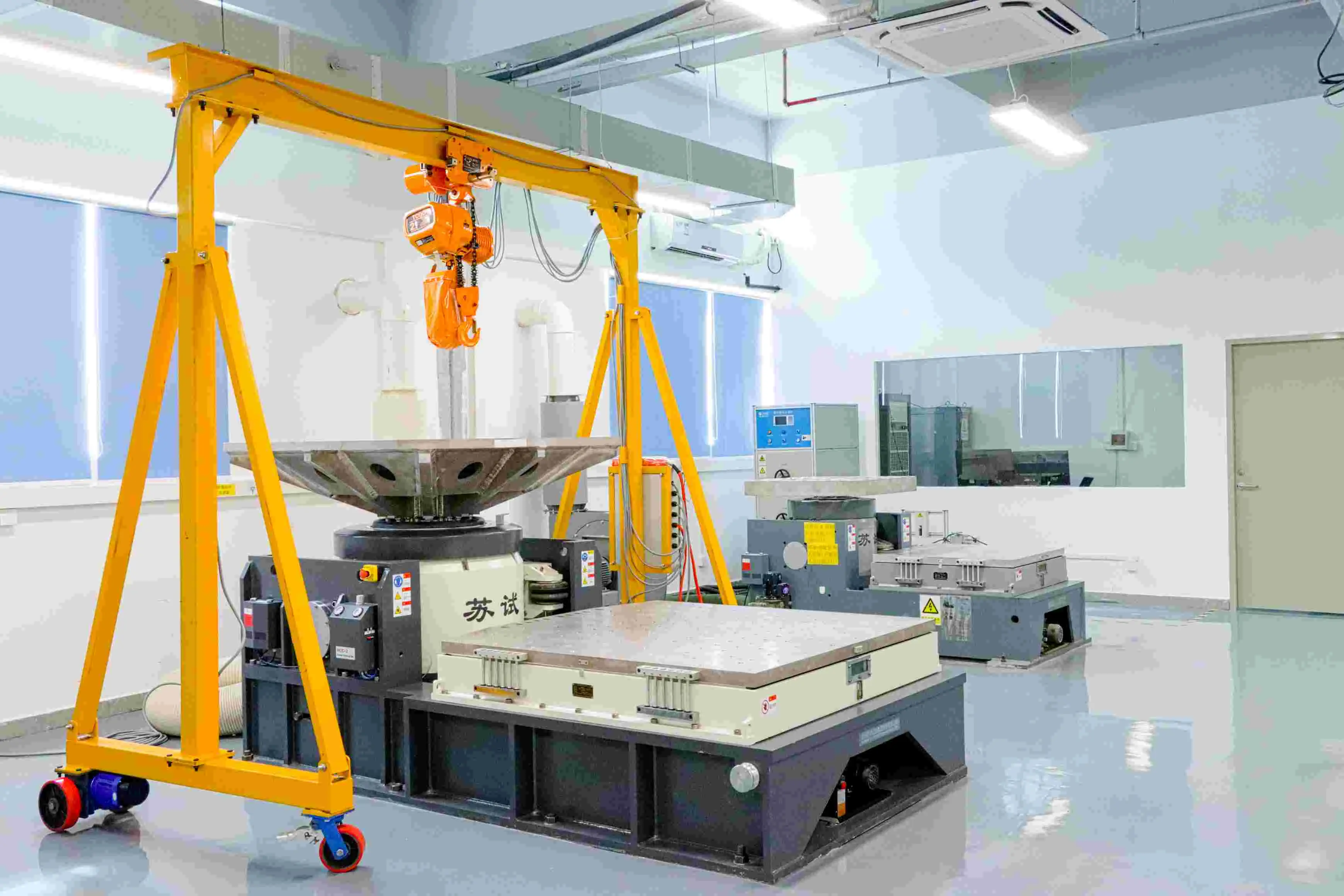
According to the requirements of the EN 55032 standard, the electromagnetic radiation of electronic products must be limited to a specific frequency range. This is to protect electromagnetic compatibility and prevent electronic products from interfering with surrounding devices and the environment. The standard specifies radiation limits for different frequency ranges, as well as the measurement methods and requirements for evaluating radiation. Electronic products that comply with the EN 55032 standard ensure that their radiation levels remain within a safe and compliant range.
To meet the EN 55032 standard, electronic product manufacturers need to conduct corresponding electromagnetic radiation testing and evaluation. This includes using specialized testing equipment and methods to determine the radiation levels of the product under different operating conditions. Through compliant testing and evaluation, manufacturers can ensure that their products meet the requirements of the EN 55032 standard, enhancing product market competitiveness and usability.
Full Test Items of EN 55032 Standard:
1. Radiated emissions:
- Measures the electromagnetic field intensity of the device's radiation across different frequency ranges.
2. Conducted emissions:
- Measures the conducted interference level of the device in different frequency ranges.
3. Harmonic emissions:
- Measures harmonic signals generated by the device on the power line.
4. Voltage fluctuations and flicker:
- Measures voltage fluctuations and flicker on the power line caused by the device.
5. Power frequency magnetic field emissions:
- Measures the low-frequency magnetic field generated by the device around power and communication lines.
6. Voltage dips, short interruptions, and voltage variations:
- Evaluates the device’s response to voltage dips, short interruptions, and voltage variations.
7. Power ports conducted emissions:
- Measures the conducted interference level generated by the device at the power interface.
8. Power ports radiated emissions:
- Measures the electromagnetic field intensity of radiation in the space near the power interface.
9. Induced disturbance immunity:
- Evaluates the device's resistance to external induced interference.
10. Radiated disturbance immunity:
- Evaluates the device's resistance to external radiated interference.
11. Conducted disturbance immunity:
- Evaluates the device's resistance to external conducted interference.
Email:hello@jjrlab.com
Write your message here and send it to us
 What is the ASTM F2167 Certification Test?
 What is the ASTM F2050 Certification Test?
 What is ASTM F1967 Certification Testing? How to g
 What is the ASTM F1917 Certification Test?
 How to get ASTM F1821 Certification
 What is the ASTM F1821 Testing Standard?
 Electronic Products Safety Testing Laboratory
 HAC Hearing Aid Compatibility Testing
Leave us a message
24-hour online customer service at any time to respond, so that you worry!