



CE marking for Electronic Equipment
As an electronic product manufacturer, the process of obtaining CE certification for your devices can be daunting. The EU has several key regulatory directives applicable to electronic products, and to obtain the CE mark, you need to demonstrate compliance with all directives applicable to your device type and category. Obtaining CE certification—or more accurately, obtaining the ce conformity mark—is not as challenging as it may seem. Most devices require a series of laboratory tests to prove compliance, after which you can add the CE mark to your device.
What are the standards for CE certification of electronic products?
Commonly certified electronic products are subject to the EMC Directive 2014/30/EU, low voltage directive (LVD) 2014/35/EU, and Machinery Directive (MD) 2006/42/EU.
For typical direct current products, the directive applied for CE certification is the EMC Directive 2014/30/EU. Common standards under the EMC Directive include:
- EN 55011:
- EN 50081-2:
- EN 50082-2:
EMI/electromagnetic interference testing:
- Conducted emission testing: EN 55011
- radiated emission testing: EN 55011
EMS/Electromagnetic Susceptibility Testing:
- Conducted susceptibility testing: EN 61000-4-6
- Radiated susceptibility testing: EN 61000-4-3
- electrostatic discharge testing: EN 61000-4-2
- Fast transient burst testing: EN 61000-4-4
- Power frequency magnetic field testing: EN 61000-4-8
- Surge immunity testing: EN 61000-4-5
- Voltage dips, interruptions, and variations testing: EN 61000-4-11

Other relevant standards for products include:
- EN 55013: Applicable to broadcast receivers and associated equipment
- EN 55014: Applicable to household appliances and similar electrical appliances
- EN 55015: Applicable to lighting equipment
For devices with supply voltages in AC 50~1000V and DC 75~1500V, besides the EMC Directive, the LVD Directive, which is safety regulations, also needs to be complied with. Commonly used standards under the LVD Directive include:
- Household appliances (EN60335)
- Lighting products (EN60598)
- Audiovisual products (EN60065)
- Information technology equipment (EN60950)
- Electrical machinery (en60204)
- Measurement instruments (EN61010)
Common EU Directives for Electronic Devices:
1. Electromagnetic Compatibility (EMC) Directive:
This directive concerns the electromagnetic compatibility of equipment, or its ability to function properly in its intended environment without causing excessive radiation or malfunction when operating alongside other equipment.
2. Radio Equipment Directive (RED):
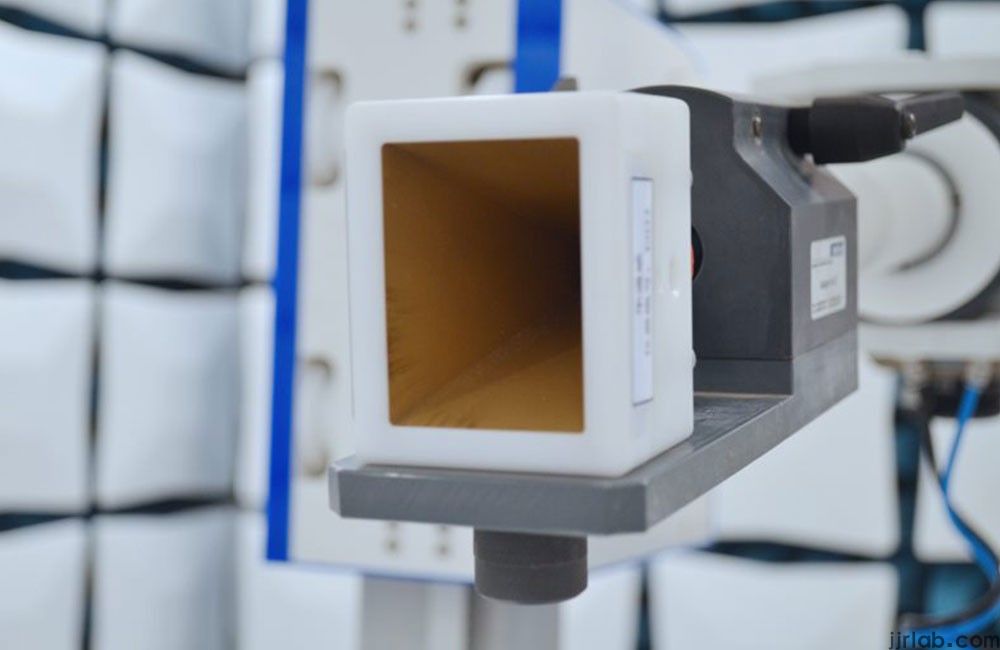
This directive focuses on the wireless devices utilizing radio spectrum for communication (e.g., phones and Wi-Fi devices), covering aspects of radio transmission, safety, and electromagnetic compatibility.
3. Restriction of Hazardous Substances (RoHS) Directive:
This directive manages the use of hazardous materials in electronic devices, setting restrictions on chemicals like lead, mercury, cadmium, and other potentially harmful substances.
4. Waste Electrical and Electronic Equipment (WEEE) Directive:
This directive regulates electronic waste. If your device falls under the WEEE directive, you need a clearly defined process to verify its limited impact on the environment.
Not all devices are subject to these directives. If you're unsure which directives apply to your device, you can send your product specifications to us at chen18814186731@gmail.com, and we'll provide clarification.
How to Obtain CE Certification for Your Device:
1. Identify the Relevant EU Directives:
First, determine the directives applicable to your device. EU directives align with various international standards, meaning you can prepare testing plans based on the appropriate standards. Our team can assist you in identifying applicable directives and preparing tests to ensure your device meets requirements.
2. Conduct Testing on Your Device:
To prove compliance, you'll need to test your device in an electronic testing laboratory. As an ANSI-accredited lab, we can conduct tests on your device, helping you verify compliance with all required standards.
3. Prepare the EU Declaration of Conformity (DoC):
After laboratory testing and technical documentation preparation, you'll formally declare your device's compliance through a Declaration of Conformity. This legal document confirms that your device meets the requirements of any relevant EU directives, allowing it to enter the European market.
4. Affix the CE Mark to Your Device:
Finally, you can affix the CE mark to your product, packaging, and accompanying documents. The EU has specific requirements that must be followed for the CE mark, including its size and visibility. After completing testing, preparing the Declaration of Conformity, and adding the CE mark to your product and/or its packaging, you can legally sell your electronic device within the EU and European Economic Area.
Cost of CE Certification for Electronic Products:
1. Standard Low Voltage Products:
Defined product range: DC<75V / AC<50V / battery-powered / USB-powered.
The cost for CE-EMC certification for standard low voltage products starts at approximately $450, with a duration of 7-10 working days.
2. Standard High Voltage Products:
Defined product range: DC>75V / AC>50V.
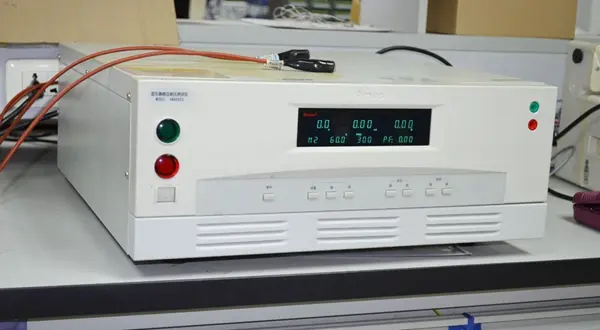
The cost for CE-LVD and CE-EMC certification for standard high voltage products starts at approximately $640, with a duration of 7-10 working days.
3. Products with Wireless Functionality:
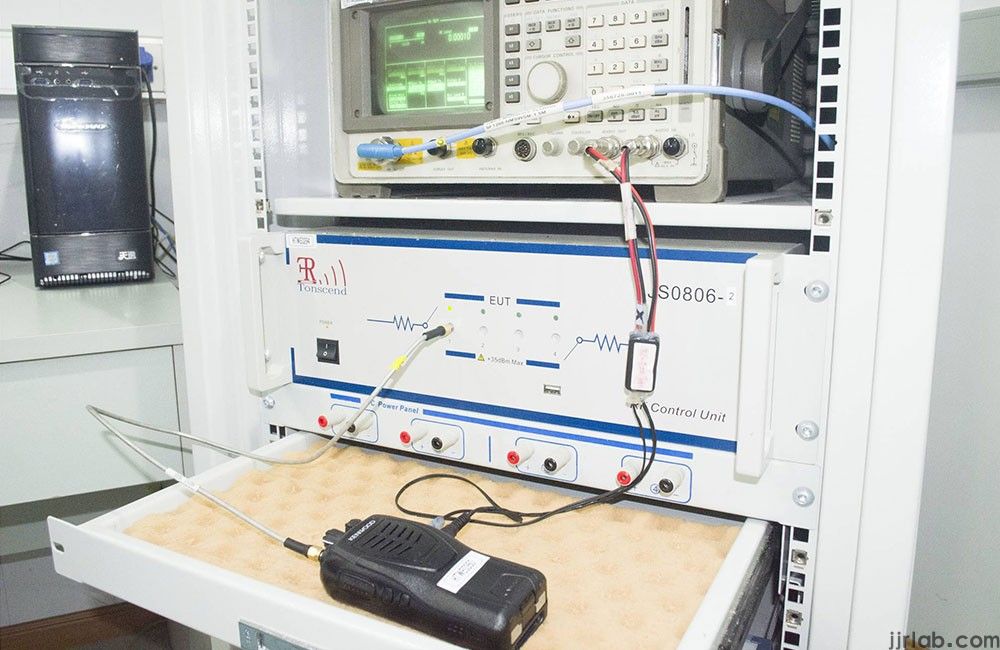
Defined product range: Products with Wi-Fi, 2.4G, 2G/3G/4G, Bluetooth, and other frequency band transmission capabilities.
For products undergoing CE-RED, the certification cost is $1500 or more, with a duration of approximately 3 weeks. Additionally, some products may require additional standard CE-EMC reports if they can function normally without wireless functionality. The specific ce certification cost for wireless products needs to be evaluated after assessing the product.
The cost of CE certification primarily depends on the chosen certification body and the relevant directives of the product. Different product testing projects vary greatly, with common categories including EMC and LVD directives for electronic and electrical appliances. The certification cost for mechanical products is significantly higher than for standard products, involving factory audits and assessments. Some products may only require lvd certification for CE, but clients may specify the need for EMC directives.
Timeframe for CE Certification of Electronic Products:
The certification process typically takes around 1 week, starting from the arrival of the sample at the testing laboratory. This timeframe does not include any time required for rectifications. In urgent cases, expedited processing is available.
Email:chen18814186731@gmail.com
Email:hello@jjrlab.com
Write your message here and send it to us
 What is UL 1642 Compliance Certification?
 What Is Amazon's UL 60335 Standard
 How to get a UL 60335 Test Report
 What is UL 60335 Certification Compliance?
 What is EN 61000 Certification Compliance?
 How to get an EN 61000 Test Report?
 What is the Amazon EN 55035 Standard?
 What is EN 55035 Certification Compliance?
Leave us a message
24-hour online customer service at any time to respond, so that you worry!