



CPSIA Compliance & ASTM F963 for Children's Toys
Amazon U.S. Requirements for Children's Toys
Amazon U.S. mandates that all children's toys sold on its marketplace be safe, reliable, and compliant with relevant regulations. Non-compliant or prohibited toys are strictly not allowed for sale.
Prohibited Items
The following items, among others, are not allowed:
- Abrasive kite strings
- Beaded and amber teething jewelry
- Bead clips and bead chains
- Mushroom-shaped baby teethers or pacifiers
- Non-toy magnetic products
- Magnetic pens
- High-powered magnets
- Dart spinner toys
- Toothpick crossbows
- Water beads
For a complete list of restricted products, please refer to Amazon’s Product Safety and Listing Restrictions.
Amazon's Policy on Approved Children's Toys
Amazon requires that all other children's toys comply with the following regulations and standards:
1. U.S. Consumer Product Safety Improvement Act (cpsia) – Covers lead and phthalates restrictions.
2. Section 14(a)(5) of the Consumer Product Safety Act – Requires tracking labels on children's products.
3. 16 CFR Part 1501 – Addresses small parts regulations to prevent choking hazards.
4. ASTM F963 Toy Safety Standard – Either ASTM F963-23 or astm f963-17, depending on the manufacturing date.
Important Update:
Any children’s toy manufactured after April 20, 2024, must comply with ASTM F963-23.
Product Detail Page Requirements
To list children's toys on Amazon, your product detail page must include the following information:
- Model, part number, or SKU
- Manufacturer or private label owner (distributor) name
- Age grading – The age range shown on the product detail page must match the age grading in the test report.
- Small parts warning – If applicable, appropriate warnings (such as hazard statements) must be displayed.
Required Documentation for Compliance
1. Documents to Submit
- Test Report – Issued by a CPSC-accredited laboratory, proving compliance with all required regulations and standards.
- Children’s Product Certificate (CPC)
- Test Reports or Product Images – Demonstrating compliance with Section 14(a)(5) of the Consumer Product Safety Act (Tracking Labels).
2. Required Product Images
- Model, part number, or SKU
- Name and address of the manufacturer, importer, distributor, or authorized representative
- Product labeling
- Registration card
- Compliance marks
- Hazard warnings
- Product manuals and instructions
- Tracking label as per the Consumer Product Safety Act
Important Notes:
- All documents, test reports, and certificates must be authentic and in their original format (unaltered).
- Submitted images must be clear and easily recognizable to confirm that the tested product matches the item listed on the detail page.
- Manuals, safety information, labels, and warnings must be in the language of the target sales country/region.
- If the product is part of a set or bundle, images of each included item must be provided.
- Providing images of all sides of the product or packaging can help prevent delays in the approval process.
Amazon’s Commitment to Buyer Safety
Amazon prioritizes customer safety and reserves the right to request additional information at any time to verify product compliance.
Understanding ASTM F963 Toy Safety Standard
The ASTM F963 Toy Safety Standard is developed by the American Society for Testing and Materials (ASTM). Initially a voluntary standard, it became mandatory under the Consumer Product Safety Improvement Act (CPSIA) on June 12, 2012.
The current version is ASTM F963-17, with ASTM F963-23 becoming mandatory for toys manufactured after April 20, 2024.
Key Testing Requirements Under ASTM F963
The astm f963 standard includes, but is not limited to, the following tests:
1. Physical and Mechanical Properties – Ensures toy safety in terms of durability and design.
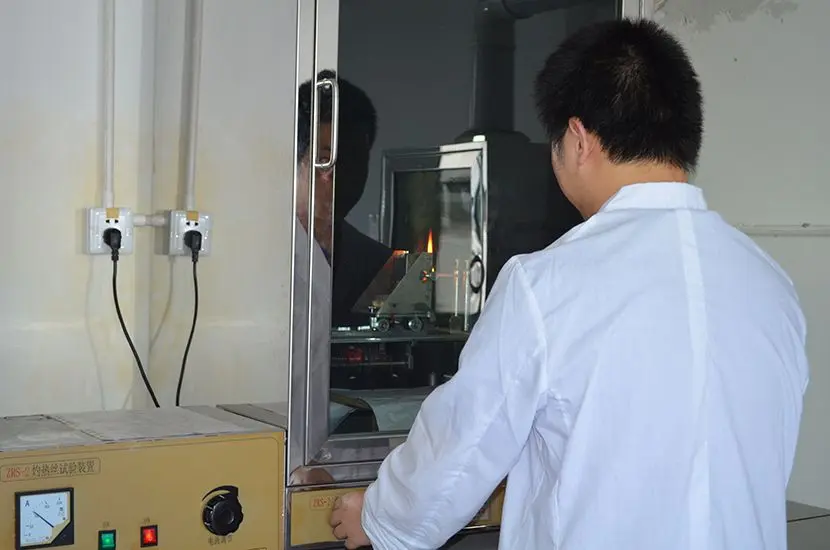
2. Flammability Testing – Assesses fire hazards in toys.
3. Electrical Safety – Applies to electric toys to ensure compliance with electrical safety standards.
4. Heavy Metal Content – Tests for total lead, soluble heavy metals, and total cadmium in metal parts.
5. Phthalates Content (DEHP/DOP) – Covers teething rings, rattles, and pacifiers.
6. Nitrosamine Levels – Required for rubber pacifier nipples.
7. Bacterial Contamination Tests – Measures total bacterial count and E. coli presence.
8. Microbial Limit Testing – Conducted under USP61/62 guidelines.
9. Stuffing Material Safety – Ensures non-toxic stuffing in plush toys.
Steps to Obtain ASTM F963-17 Compliance
1. Apply for Certification – The manufacturer submits an application to a recognized certification body along with required documentation.
2. Product Testing – The certification body conducts tests to verify compliance with ASTM F963 and other relevant regulations.
3. Certification Issuance – If the product passes, the certification body issues a compliance certificate.
Need Toy Testing for U.S. Exports?
If your toy products need to be exported to the U.S., we can help with compliance testing. Contact us today for assistance!
This version maintains clarity, enhances readability, and presents the information in a well-structured manner without using tables. Let me know if you need further refinements!
Email:hello@jjrlab.com
Write your message here and send it to us
 What is Recycling of WEEE
 What is PPWR Packaging Compliance
What is Extended Producer Responsibility
What is PPWR Packaging Compliance
What is Extended Producer Responsibility
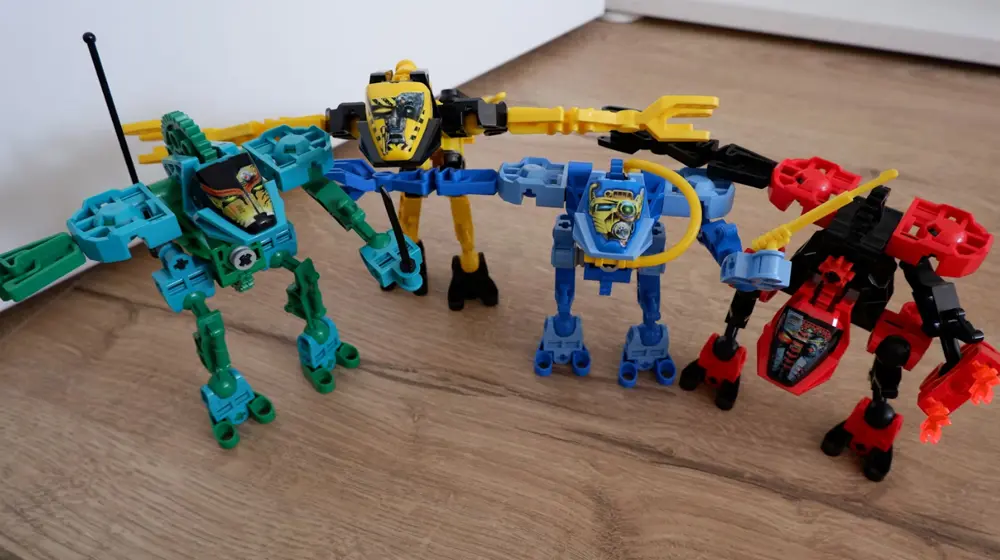 Children's Toy Compliance: Avoiding CPSC Recalls
 Export Electric Blanket Compliance: Preventing CPS
 What is LFGB Certification Meaning
 EU Food Contact Materials (FCM) EC 1935/2004 Stand
 LFGB Germany Food Contact Materials Official
Leave us a message
24-hour online customer service at any time to respond, so that you worry!