



Electric Scooter FCC Certification ASTM F2641-18 Testing
When exporting electric scooters to the United States, you need to obtain fcc certification and meet the requirements of astm f2641-18 standard. Here is some basic information about these two certifications:
1. fcc certification:
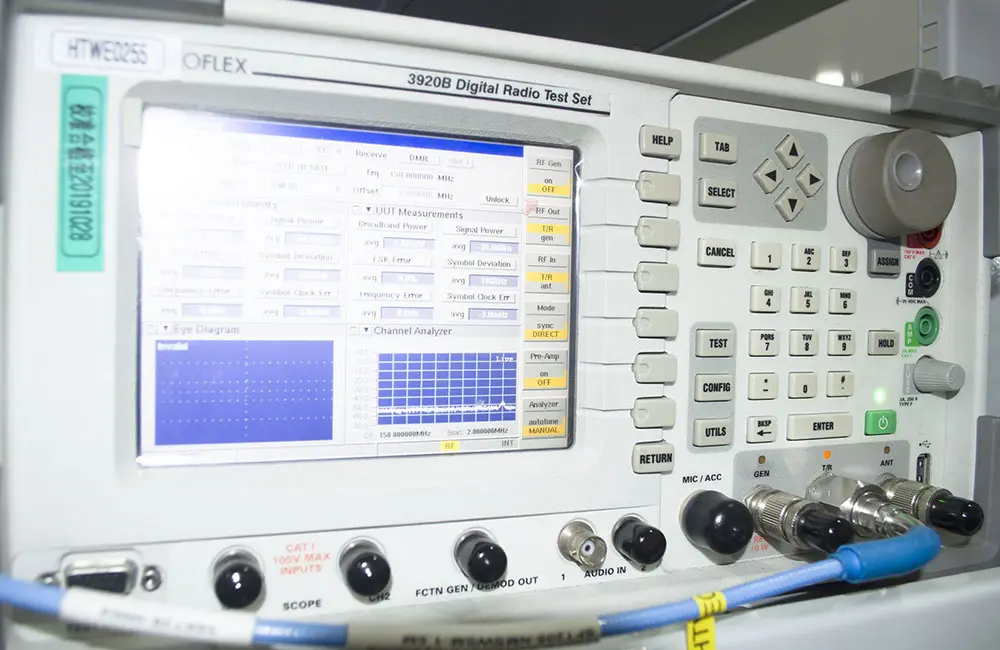
FCC certification is the certification requirement of the Federal Communications Commission (FCC) for devices using wireless communication technology. Electric scooters typically use wireless technologies such as Bluetooth or Wi-Fi, thus requiring FCC certification. The purpose of FCC certification is to ensure that devices comply with radio frequency and radiation limits to reduce interference or harm to other wireless devices and human health. FCC certification includes testing the radiation power, frequency range, spectrum occupancy, and other indicators of the device. To obtain FCC certification, you need to commission an FCC-accredited laboratory for testing and submit relevant test reports and application documents. The certification body will assess whether your device meets the requirements of the FCC.
2. ASTM F2641-18 Standard:
ASTM F2641-18 is the safety standard for electric scooters established by ASTM International. This standard covers requirements for the design, performance, and safety aspects of electric scooters. According to ASTM F2641-18 standard, electric scooters need to undergo a series of tests, including battery charging and discharging tests, mechanical strength tests, protective device tests, etc. These tests aim to ensure the safety performance of electric scooters under normal use and in unexpected situations. To meet the requirements of ASTM F2641-18 standard, you can commission an accredited laboratory for testing and ensure that the device complies with the standard requirements. You may need to provide samples for testing by the laboratory and provide relevant technical documents and specifications. The laboratory will test the samples according to ASTM F2641-18 standard and generate test reports.
Please note that FCC certification and ASTM F2641-18 standard are only part of the certification and testing requirements for exporting electric scooters to the United States. You also need to ensure that electric scooters comply with other relevant regulations and standards, such as battery certification, CPSC safety requirements, etc. It is recommended to communicate further with local certification bodies, regulatory consultants, or professional consulting firms to ensure that you meet all necessary certification and testing requirements and comply with regulations and standards in the target market.
ASTM F2641-18 Testing Items
ASTM F2641-18 standard is about the safety performance of electric scooters, which includes the following testing items:
1. Battery Performance testing: Evaluate the performance and safety of batteries, including charging and discharging tests.
2. Mechanical Performance Testing: Evaluate the mechanical strength and durability of scooters.
3. Protective Device Testing: Evaluate the function and effectiveness of protective devices.
4. User Interface Testing: Evaluate the usability and ergonomics of the user interface.
5. Brake System Testing: Evaluate the performance and response time of the brake system.
6. Speed Control Testing: Evaluate the accuracy and stability of the speed control system.
7. Protective Device Testing: Evaluate the function and effectiveness of various protective devices.
8. Electrical System Testing: Evaluate the safety and reliability of the electrical system.
9. Energy Efficiency Testing: Evaluate the energy consumption and efficiency of scooters.
10. Impact and Vibration Testing: Evaluate the performance of scooters under different conditions.
11. Environmental Adaptability Testing: Evaluate the adaptability and stability of scooters under different environmental conditions.
12. Insulation and Protection Rating Testing: Evaluate insulation and protection ratings.
13. Noise Testing: Evaluate the noise level generated by scooters.
14. Combustion Performance Testing: Evaluate the performance of scooters under fire conditions.
15. Material and Chemical Testing: Evaluate the safety of materials used.
16. EMC (Electromagnetic Compatibility) Testing: Evaluate electromagnetic compatibility.
The testing items listed above are just some of the possible testing items that may be involved. For specific testing requirements and methods, please refer to ASTM F2641-18 standard and other applicable standards and regulations. It is recommended to communicate further with certification bodies or laboratories to determine which specific tests your electric scooter needs to undergo to ensure compliance with the requirements of ASTM F2641-18 standard.
If you have any questions or need further information, please feel free to contact us via email: hello@jjrlab.com
Email:hello@jjrlab.com
Write your message here and send it to us
 What is EN 61000 Certification Compliance?
 How to get an EN 61000 Test Report?
 What is the Amazon EN 55035 Standard?
 What is EN 55035 Certification Compliance?
 How to get the EN 55035 Test Report?
 What is the Amazon EN 301 489 Standard?
 How to get an EN 301 489 Test Report?
 What is EN 301 489 Compliance Certification?
Leave us a message
24-hour online customer service at any time to respond, so that you worry!