



EU CE-RED Certification for IoT Wireless Products
CE-RED, short for Radio Equipment Directive (2014/53/EU), is the unified core regulation governing all radio equipment within the EU. It officially replaced the former R&TTE Directive on June 13, 2017.
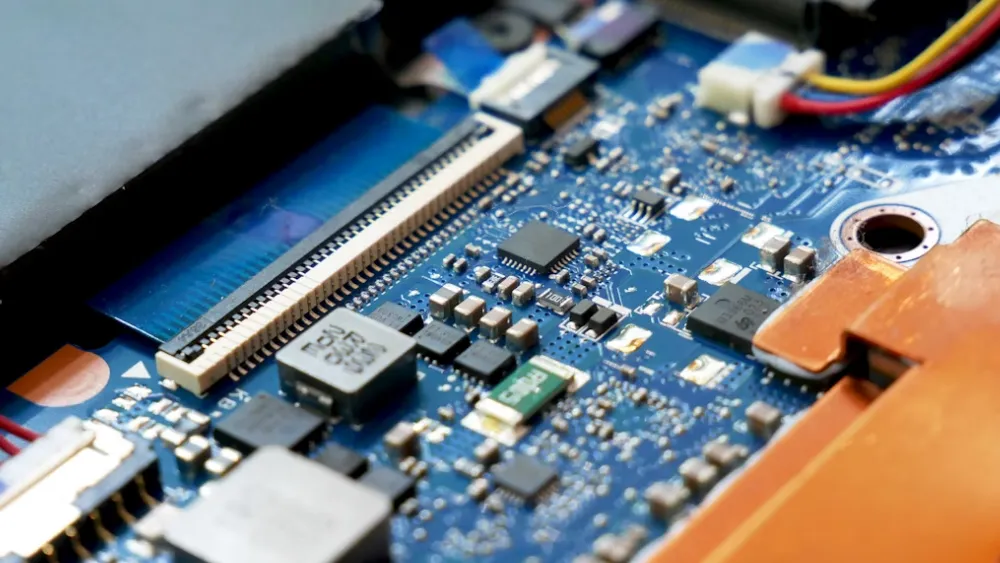
1. Core Implications
① Mandatory Compliance: In accordance with EU law, any product with wireless functionality falling within the scope of the directive must bear the ce mark and meet RED requirements before it can be legally sold and circulated in EU member states.
② Comprehensive Assessment: CE-RED certification is an integrated evaluation system. It not only focuses on the radio frequency (RF) performance of products but also fully covers electromagnetic compatibility (EMC), electrical safety (LVD), protection of human health (SAR), and the efficient use of radio spectrum.
2. Test Items for CE-RED Certification
① Electromagnetic Compatibility (EMC) Testing: Ensures the device operates normally in electromagnetic environments and does not cause interference to other equipment.
② low voltage directive (LVD) Testing: Safeguards against personal hazards during normal use and fault conditions of the device.
③ Radio Communication Equipment (RF) Testing: Conducts RF performance tests in accordance with European ETSI standards, including transmit power and frequency stability.
④ Notification of EU Allowed Spectrum: Verifies that the frequency band used by the device complies with EU regulations.
⑤ CTR (TBR) Testing: Tests the conducted transmit power range of the device at specific frequencies.
⑥ Electrical Safety and Health Protection (SAR) Assessment: Evaluates potential impacts of radio equipment on human health.
Scope of Applicable Products
CE-RED applies to an extremely wide range of electronic devices that use radio spectrum for communication or sensing, with almost all operating frequencies below 3000 GHz. It is mainly divided into the following categories:
(1) Short-range communication devices:
① Bluetooth products (e.g., Bluetooth headsets, speakers, keyboards, mice, bracelets)
② Wi-Fi devices (e.g., wireless routers, smart home hubs, Wi-Fi cameras, IoT modules)
(2) Mobile communication devices: Mobile phones, walkie-talkies, vehicle-mounted mobile phones
(3) Specialized radio equipment: Broadcast receivers (e.g., FM radios), TV receivers
(4) Radar equipment, satellite communication terminals (e.g., GPS navigators)
(5) Other wireless devices:
① Toys and model aircraft with wireless remote control functions
② Wireless charging devices (energy transmission via magnetic coupling, also within the scope of RED)
A simple criterion for judgment: If your product needs to transmit or receive radio waves to realize its core or partial functions, it is highly likely to require CE-RED certification.
Requirements for Prototypes in CE-RED Certification
① One RF fixed-frequency prototype and one regular prototype;
② For products operating on multiple channels, fixed-frequency prototypes are required. For single-channel prototypes, please provide continuous transmit prototypes and continuous receive prototypes.
Detailed Process for CE-RED Certification
① Fill in the application form;
② Confirm product testing standards and provide product data;
③ Send samples to JJR Laboratory for testing;
④ If the laboratory test is passed, a qualified report will be issued;
⑤ The processing cycle for CE-RED certification is usually 5–7 working days.
Email:hello@jjrlab.com
Write your message here and send it to us
 IEC 62133-2 Lithium Battery Testing Laboratory
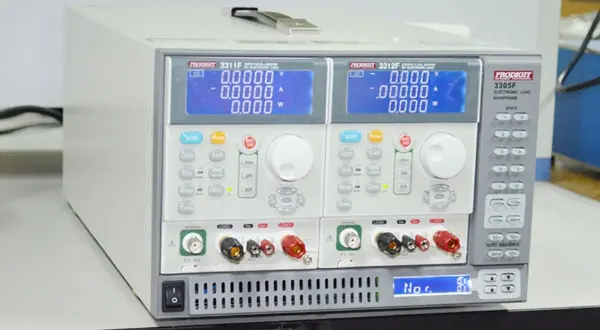 EN 55032 and EN 55035 Testing Laboratory
 FCC ID testing lab for Bluetooth earbuds
How to get an FCC ID and How Much Does It Cost
What is the EN 300 328 Testing Standard
FCC ID testing lab for Bluetooth earbuds
How to get an FCC ID and How Much Does It Cost
What is the EN 300 328 Testing Standard
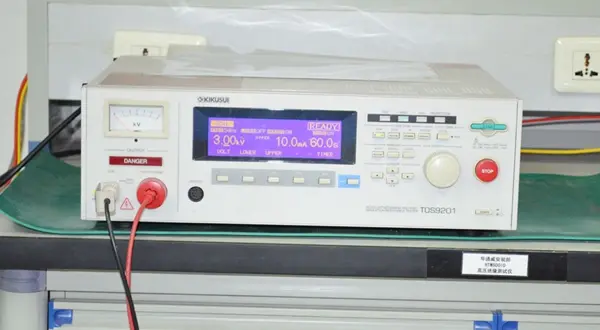 Amazon TIC Lithium Battery Appliance UL 60335-2-29
 What is the Difference Between EU PPWR and EPR?
 What is Japanese METI Registration
Leave us a message
24-hour online customer service at any time to respond, so that you worry!