



EU WEEE Solutions
The EU Directive on Waste Electrical and Electronic Equipment (weee directive) 2002/96/EC, which came into effect on August 13, 2005, sets out the responsibilities of producers for the disposal of electronic products. These responsibilities include providing a deposit for recycling, supplying relevant product information to recycling centers, and registering in the country where the product is marketed, as well as regularly reporting the quantities of products placed on the market and the recycling rates. If producers fail to fulfill these obligations according to the regulations of the respective member state, their products cannot enter the market of that country.
The official revision of the eu weee directive - 2012/19/EU, was published in the EU Official Journal on July 24, 2012, expanding the scope to cover all electrical and electronic equipment (EEE). The new WEEE Directive, effective from August 15, 2018, reclassifies electrical and electronic equipment into six categories as outlined in Annex III and adopts an open scope (meaning products not listed are still covered, unless excluded under Article 2, paragraphs 3 and 4 of the directive). During the transition period from August 13, 2012, to August 14, 2018, the categories and scope of the directive remained the same as the previous 2002/96/EC version.
JJR Laboratory Services in China:
JJR Laboratory can assist companies by providing product recycling information, evaluating the recyclability of products, and issuing corresponding recycling reports.
JJR Laboratory can also verify WEEE bin recycling labels according to the EN50419 standard and provide certification reports.
Email:hello@jjrlab.com
Write your message here and send it to us
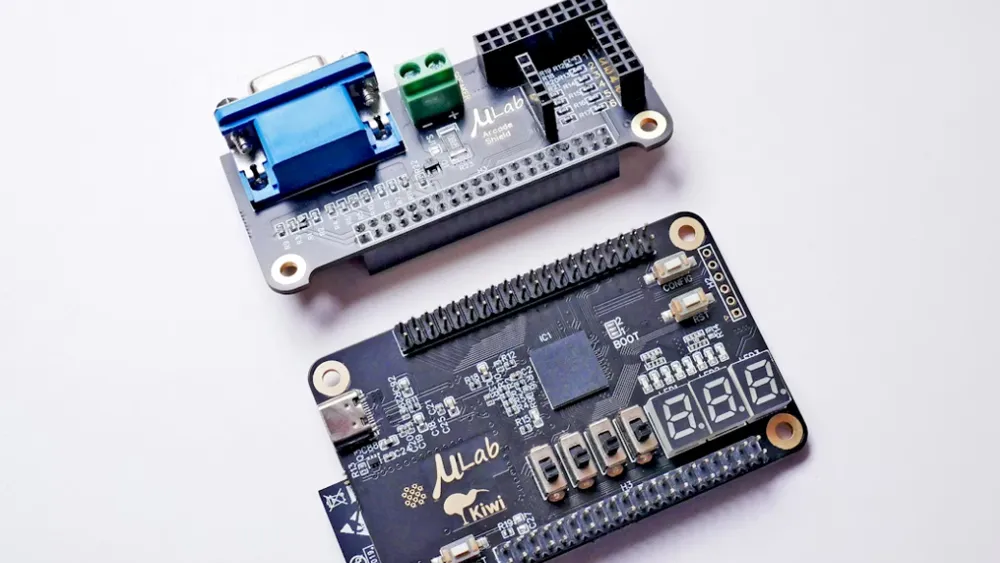 WEEE Registrierungskosten
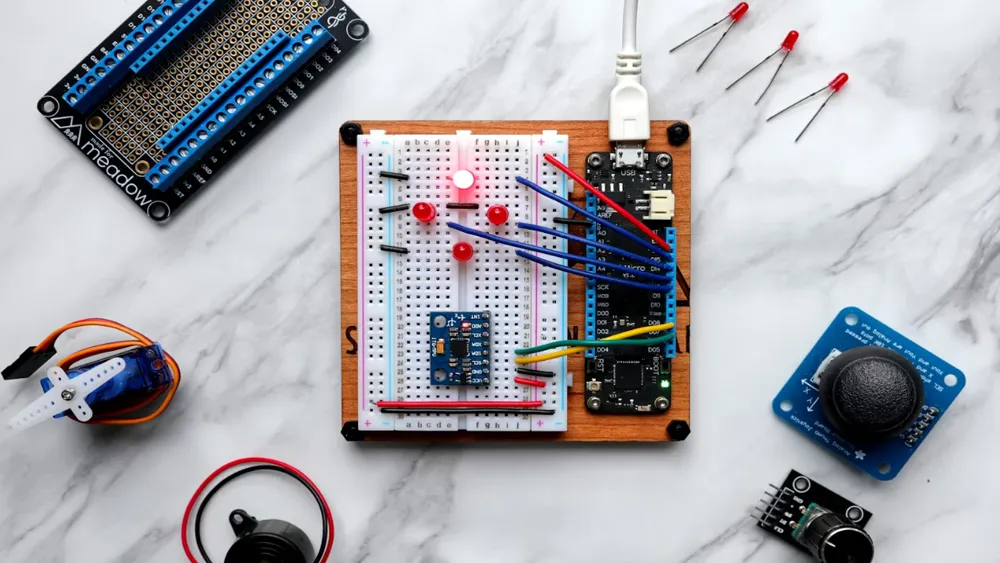 WEEE-Registrierung in Frankreich
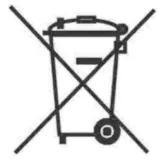 WEEE-Nummer beantragen
 So erhalten Sie die UKCA-Zertifizierung
 Was ist die VCCI-Zertifizierung?
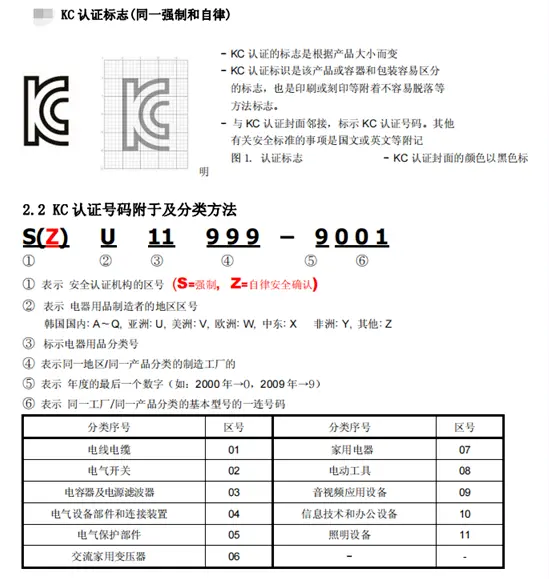 KC-Zertifizierung für Elektronikprodukte
 CE Kennzeichnung RoHS
 CE Zertifikat Prüfstelle
Leave us a message
24-hour online customer service at any time to respond, so that you worry!