


FCC Part 15 Compliance Testing for Electronic Devices
If you are a manufacturer or distributor pushing electronic devices to the U.S. market, understanding fcc part 15 compliance is crucial. However, the complexity of fcc part 15 testing can be overwhelming. This is where 360 Compliance steps in as your trusted partner, guiding you through the process with expertise and efficiency.
What is fcc Part 15 Testing?
fcc part 15 compliance refers to the portion of the FCC rules that sets limits for electromagnetic interference (EMI) from electronic devices. These regulations ensure that radios, computers, and any device that may emit radio frequency (RF) energy do not interfere with wireless communications. Compliance is mandatory for various electronic products, making FCC Part 15 testing an essential part of the manufacturing process.
To sell electronic products within the U.S., devices must not only comply with these regulations but must also pass tests and documentation proving compliance. Non-compliance can lead to fines, recalls, and damage to a company’s reputation.
What Types of Devices are Covered by Part 15?
Devices under Part 15 are divided into two main categories:
Class A Devices
Class A devices are typically industrial or commercial products designed for business environments. These devices have more relaxed radiation limits compared to Class B devices. They are expected to operate in environments equipped with professional IT personnel to manage and mitigate potential electromagnetic interference.
Class B Devices
Class B devices are consumer-facing electronics designed for residential environments. These devices must meet stricter emission limits compared to Class A devices to ensure they do not interfere with common household electronics such as TVs, radios, and Wi-Fi routers.
Which Products Need fcc part 15 certification?
Any electronic device that emits radio frequency (RF) energy must undergo FCC Part 15 testing. This includes:
Intentional Radiators
1. Wi-Fi and Bluetooth devices
2. Remote controls
3. Radio transmitters
4. Wireless microphones
5. Mobile phones
6. Radio Frequency Identification (RFID) tags
Unintentional Radiators
1. Computers and peripheral devices
2. Switch-mode power supplies
3. LED lights
4. Certain types of electronic equipment, such as oscilloscopes
5. Household appliances with digital interfaces
6. Certain types of industrial machinery
How Does China JJR LAB Help with the FCC Part 15 Testing Process?
China JJR LAB offers streamlined solutions for these challenges. With a deep understanding of FCC Part 15 regulations, we help manufacturers, distributors, and importers complete every step of the certification process.
China JJR LAB provides end-to-end assistance, including:
1. Preliminary Testing: Conducting initial tests to identify potential compliance issues before the formal evaluation.
2. Documentation: Assisting in the preparation of all necessary documents for FCC submission.
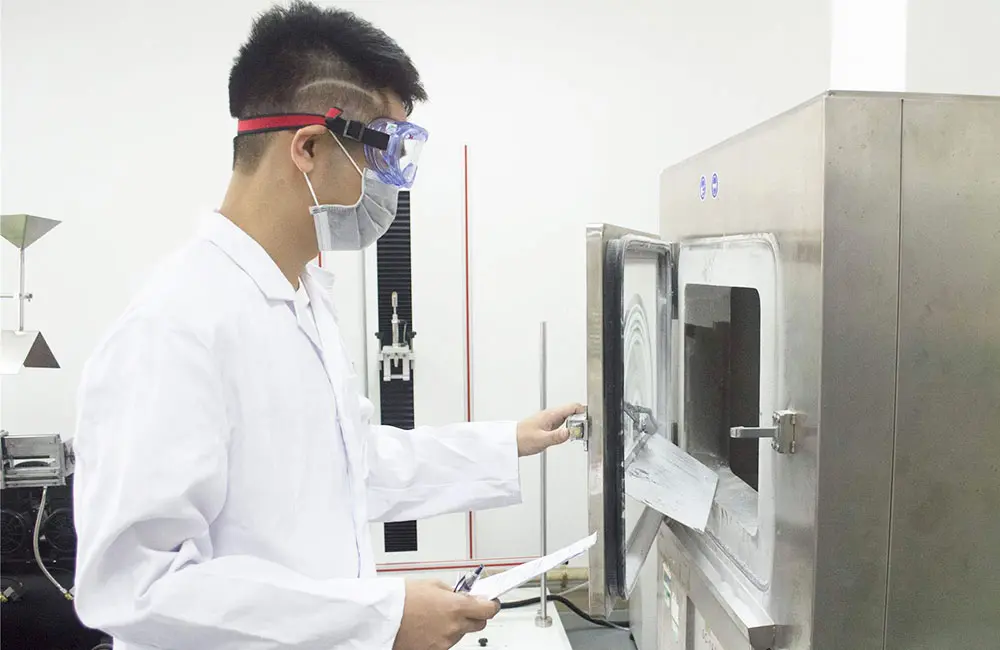
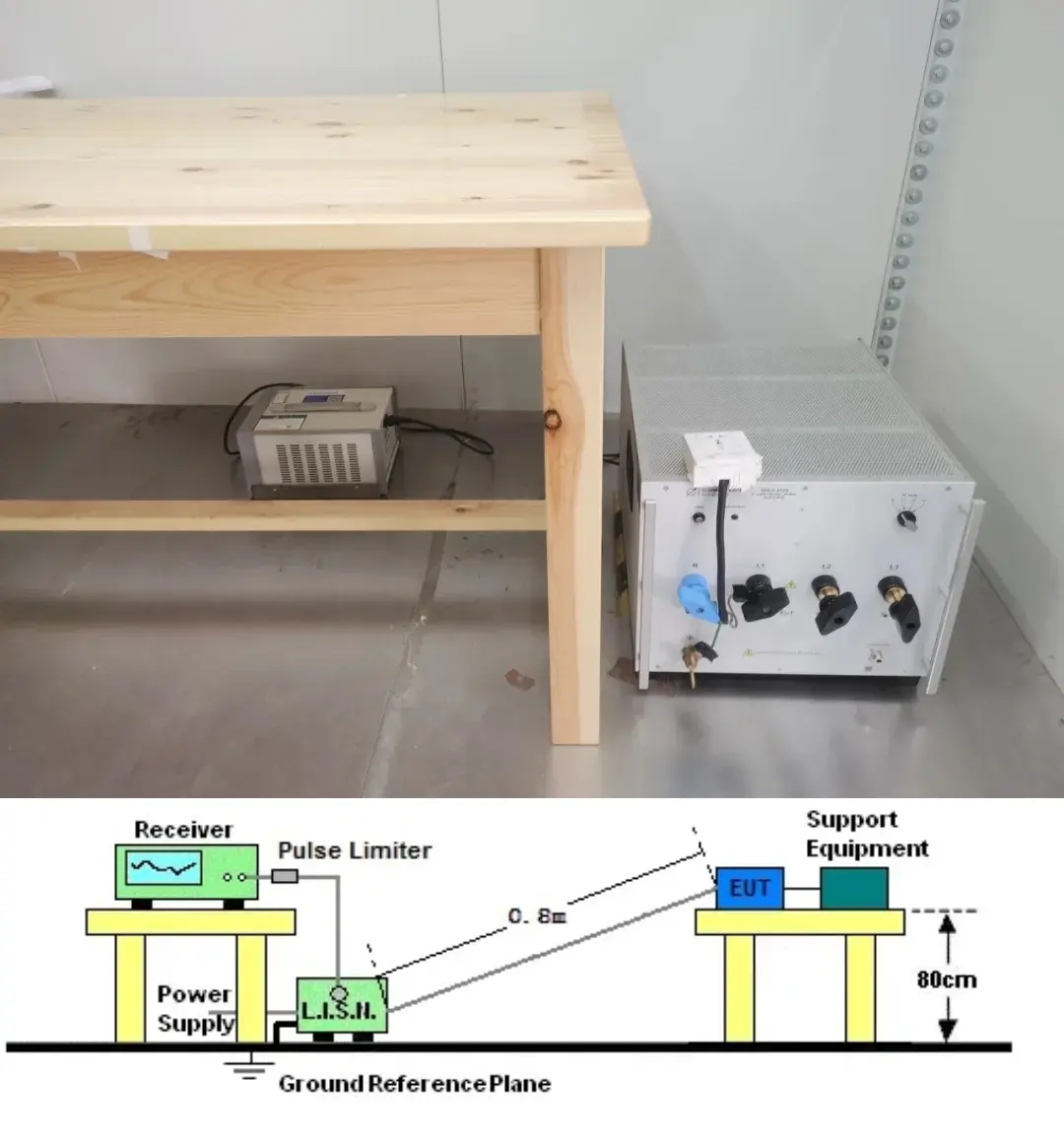
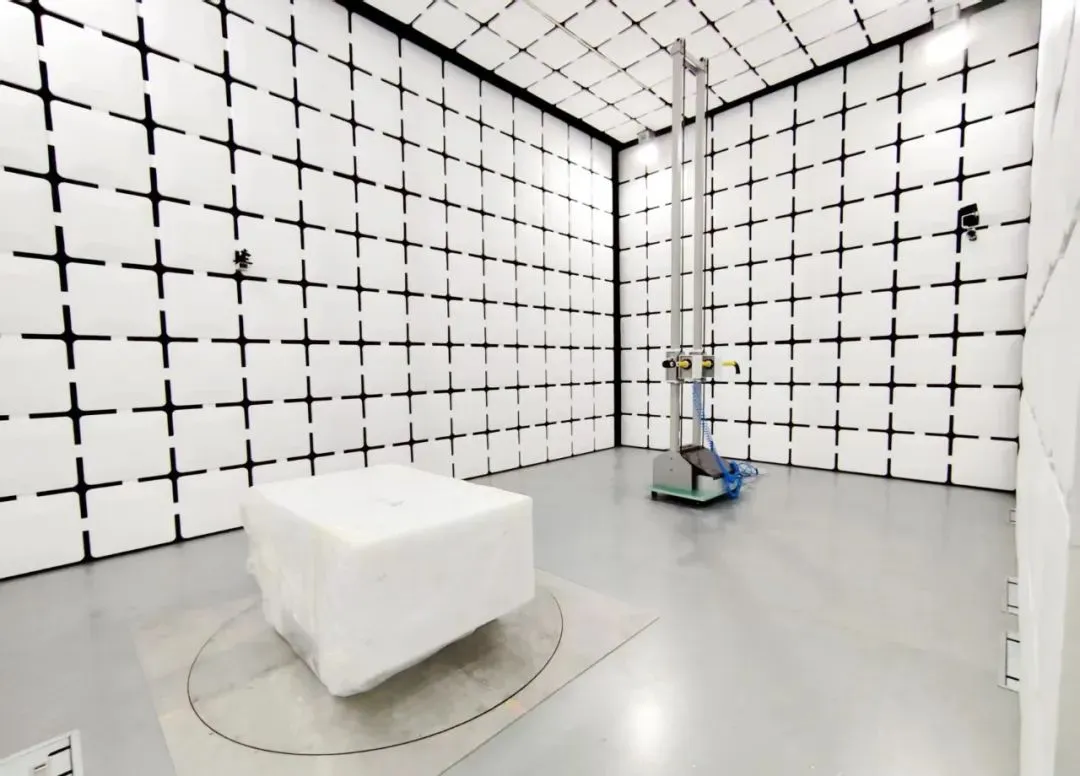
3. Laboratory Testing: Providing certified laboratories for comprehensive FCC Part 15 testing.
4. Guidance: Offering expert advice on how to address any compliance issues that arise during testing.
5. Certification: Assisting with the submission of the certification process to the FCC.
Why Choose China JJR LAB for FCC Part 15 Certification?
Choosing China JJR LAB for fcc testing offers several advantages:
1. Speed to Market: Our streamlined process accelerates the timeline from testing to market, ensuring faster product launch.
2. Transparency: Clear communication and transparent pricing eliminate any unpredictability in the compliance process.
3. Customized Solutions: We tailor our services to meet the specific needs of each client, considering the unique challenges different products may face.
4. Professionalism and Reliability: A team of experienced professionals ensures that testing and compliance are conducted reliably and in accordance with fcc standards.
Email:hello@jjrlab.com
Write your message here and send it to us
 How to get SOR/2011-17 Compliance Certification
 What is DGCCRF Certification Testing
 Bow and Arrow Children's Toys CPC Certification
 POPs Testing Service Consultation
 EU PPWR New Packaging Compliance
How to Obtain an MSDS/SDS Report
EU PPWR New Packaging Compliance
How to Obtain an MSDS/SDS Report
 CPSIA Testing Service Consulting
 Food Contact Materials Testing Services
Leave us a message
24-hour online customer service at any time to respond, so that you worry!