



Food Contact Materials Testing Laboratory
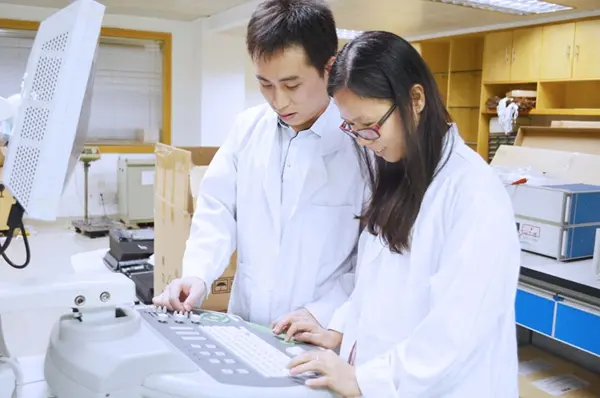
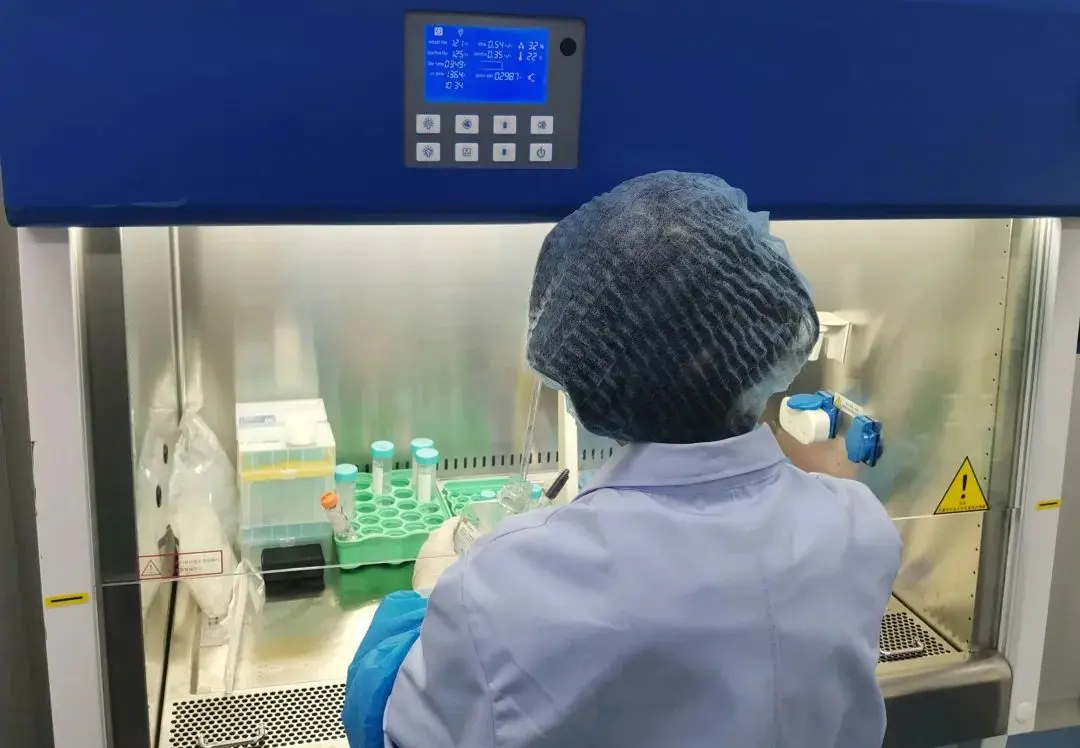
China’s JJR Laboratory has many years of expertise and experience in the research and testing of food contact materials. The laboratory is accredited by CNAS and CMA, covering global safety regulations for food contact materials. JJR focuses on the study of safety regulations for food contact materials from various countries and regions, and interprets the laws and standards for food contact materials in these regions. Currently, the laboratory is capable of providing testing and consulting services for related projects in dozens of countries around the world. It offers one-stop testing and certification services for manufacturers of food contact material products exported to China, Japan, South Korea, the European Union and its member states (such as France, Italy, Germany, etc.), the United States, and other countries.
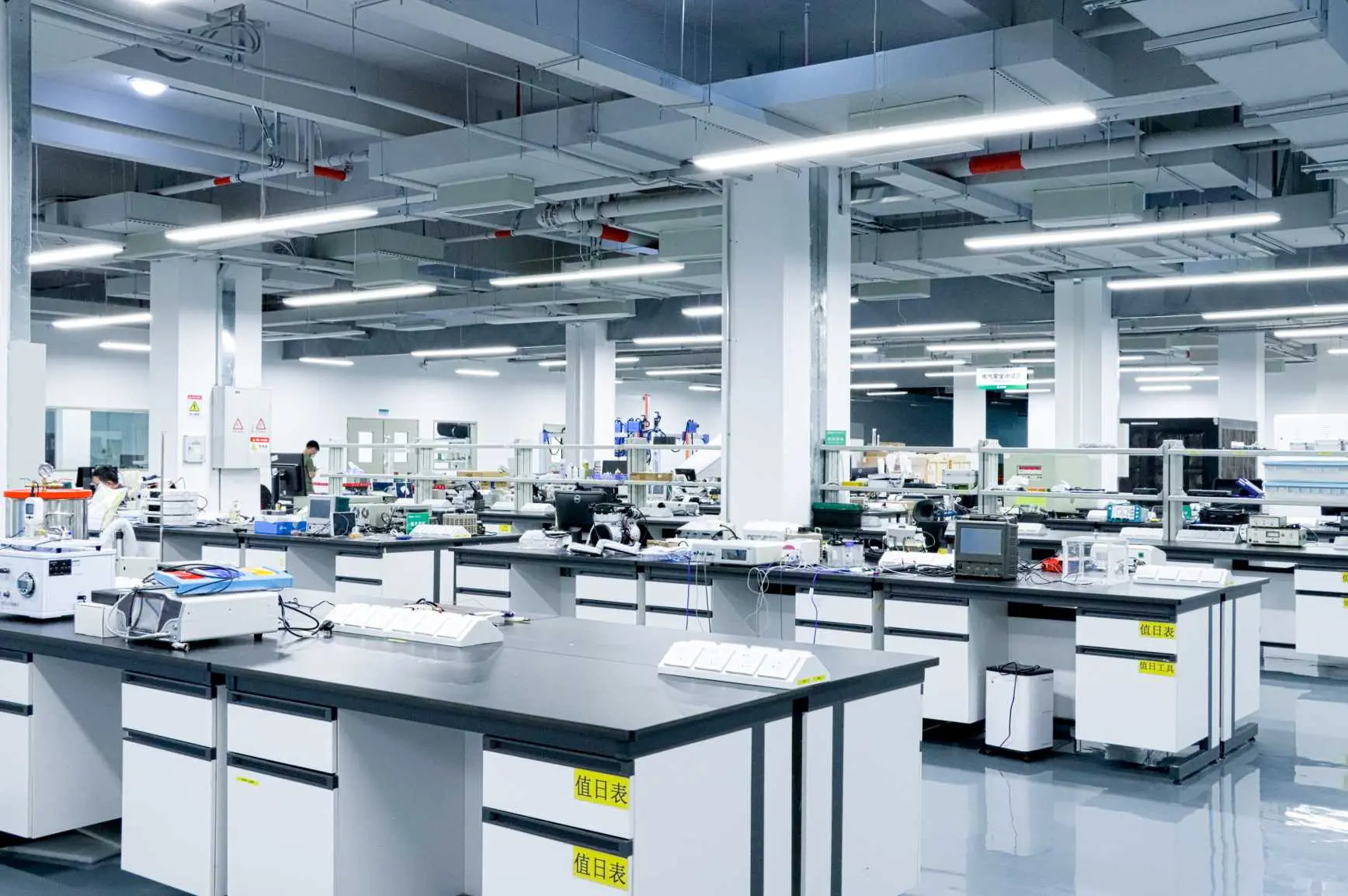
Laboratory Capabilities Overview
Product Categories:
- Tableware: Knives, forks, bowls, chopsticks, spoons, cups, plates, etc.
- Kitchenware: Pots, spatulas, cutting boards, stainless steel kitchen utensils, etc.
- Food Packaging Containers: Various food packaging bags, beverage and food containers, etc.
- Kitchen Appliances: Coffee makers, juicers, blenders, electric kettles, rice cookers, ovens, microwaves, etc.
- Children's Products: Baby bottles, pacifiers, baby drinking cups, etc.
Testing Standards:
- EU 1935/2004/EC
- US FDA 21 CFR Part 170-189
- Germany LFGB Section 30&31
- Italy Ministerial Decree of 21 March of 1973
- Japan JFSL 370
- France DGCCRF
- South Korea Food Sanitation Standards KFDA
- China GB 4806 series and GB 31604 series
Testing Contents:
- Sensory testing
- Overall migration (evaporative residue)
- Total extractable amount (chloroform extractable substances)
- Potassium permanganate consumption
- Total volatile organic compounds
- Peroxide value test
- Fluorescent substance testing
- Density, melting point, and solubility tests
- Heavy metals in colorants and decolorization test
- Material composition analysis and specific metal migration in coatings
- Heavy metal release (lead, cadmium, chromium, nickel, copper, arsenic, iron, aluminum, magnesium, zinc)
- Specific migration (melamine migration, formaldehyde migration, phenol migration, phthalate migration, hexavalent chromium migration, etc.)
Email:hello@jjrlab.com
Write your message here and send it to us
 ISO 10993 Biocompatibility Standards
 Medical TPV ISO 10993 Biocompatibility Testing
 FDA Requirements for Biocompatibility under ISO 10
 Amazon Spain WEEE Compliance Deadline: September 3
 What is the ASTM F2264 Certification Test?
 What is ASTM F2194 Certification Testing?
 What is the ASTM F2167 Certification Test?
 What is the ASTM F2050 Certification Test?
Leave us a message
24-hour online customer service at any time to respond, so that you worry!