



How to Apply for CE Certification?
What is CE certification?
CE certification pertains to the essential safety requirements that products must meet to ensure they do not endanger human, animal, or property safety. It is not a general quality requirement but a safety compliance mark that indicates products meet the primary safety requirements set by European directives. The "CE" mark is considered a passport for manufacturers to enter the European market. CE stands for Conformité Européenne, meaning European Conformity.
In the EU market, the CE mark is a mandatory certification mark. Whether products are manufactured within the EU or outside, they must bear the CE mark to be freely sold within the EU market. This demonstrates that the products comply with the basic requirements of the EU directives concerning technical harmonization and standardization. This is a legal obligation for products within the EU.
The CE mark is recognized as a safety certification mark and is seen as a passport for manufacturers to open and enter the European market. CE stands for European Conformity (Conformité Européenne).
In the EU market, the CE mark is a mandatory certification mark. Whether products are produced by EU companies or by other countries, they must bear the CE mark to freely circulate in the EU market, indicating that the products meet the basic requirements of the EU’s New Approach Directives for technical harmonization and standardization. This is a mandatory requirement under EU law.
Countries Where CE Certification is Applicable:
CE certification is applicable in 31 economic areas in Europe, including the 27 EU member countries, 3/4 EFTA countries (note: the CE mark is not mandatory in Switzerland), and Turkey. Products bearing the CE mark can circulate freely within the European Economic Area (EEA).
The specific list of the 27 EU countries includes Austria, Belgium, Bulgaria, Cyprus, Croatia, Czech Republic, Denmark, Estonia, Finland, France, Germany, Greece, Hungary, Ireland, Italy, Latvia, Lithuania, Luxembourg, Malta, Netherlands, Poland, Portugal, Romania, Slovenia, Slovakia, Spain, and Sweden.
Products Requiring CE Certification:
Generally speaking, most products exported to the EU need CE certification. It is mandatory for electronic products and toys exported to Europe. Examples include:
- Wireless Products: Bluetooth products, wireless keyboards, wireless mice, wireless readers, wireless transceivers, wireless microphones, remote controls, wireless network devices, wireless video transmission systems, and other low-power wireless products.
- Wireless Communication Products: 2G phones, 3G phones, 4G phones, DECT phones (1.8G, 1.9G bands), etc.
- Power Supplies: Communication power supplies, chargers, monitor power supplies, LCD power supplies, UPS, etc.
- Lighting: LED lights, combined lights, spotlights, chandeliers, track lights, garden lights, portable lights, downlights, light strings, desk lamps, grille lights, aquarium lights, street lights, energy-saving lamps, T8 tubes, and ambient lighting.
- Home Appliances: Fans, electric kettles, audio systems, televisions, vacuum cleaners, projectors, etc.
- Communication Products: Telephones, wired phones with wireless handsets, fax machines, answering machines, modems, data interface cards, and other communication products.
- Electronics: Earphones, routers, laser pointers, etc.
- Medical Devices, Toys, and Machinery.
CE Certification Methods:
1. Self-Declaration by Enterprises
2. CE VOC (Third-party Laboratory)
3. NB Institution Issued Certificate
ce certification testing Items:
CE certification involves testing to assess whether a product complies with applicable EU directives and standards. Specific testing items vary depending on the product type but generally include:
- Electromagnetic Compatibility (EMC): Testing to ensure the product does not interfere with other electronic devices and is not affected by external electromagnetic interference.
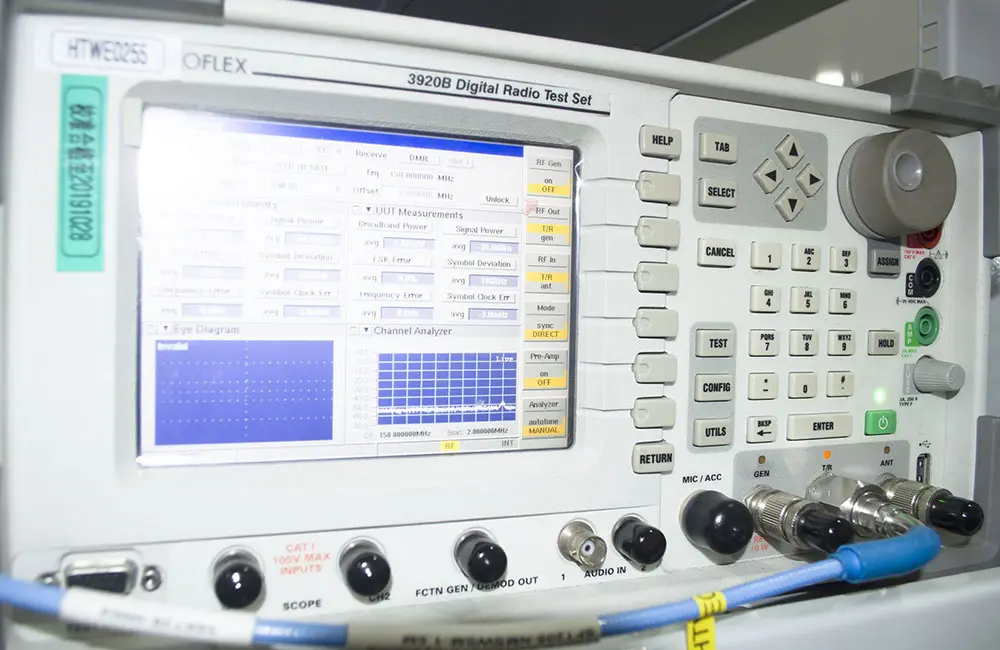
- RF Compliance: Testing products that use wireless communication technologies like Wi-Fi or Bluetooth to ensure they meet relevant RF regulations.
- Mechanical Safety: Evaluating the safety features, control systems, emergency stop functions, and protective mechanisms of machinery and equipment to ensure compliance with applicable safety standards.
- Hazardous Substances: Testing products according to the Restriction of Hazardous Substances (RoHS) directive to determine the presence and concentration of restricted substances like lead, mercury, cadmium, and certain phthalates.
- Environmental Testing: Conducting environmental tests for products, especially those used outdoors or in harsh environments, to assess resistance to factors like temperature, humidity, vibration, and mechanical stress.
- Performance and Functional Testing: Evaluating functional characteristics, performance parameters, and product specifications to ensure they meet intended purposes and performance requirements.
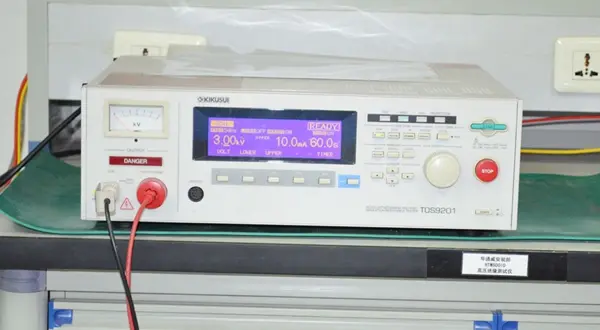
- Electrical Safety: Testing includes assessing product insulation, grounding, resistance to electric shock, and prevention of electric shock hazards.
Conclusion:
CE certification is an essential step to ensure product compliance when entering the European market. By adhering to CE certification standards, enterprises can ensure their products are freely sold in the European market, providing safe and reliable products to consumers.
How to Apply for CE Certification?JJRLAB, with ISO/IEC 17025, CNAS, and CMA qualifications, offers ce certification services to American manufacturing enterprises. We can help save 30% on certification costs while providing high-quality testing and certification services.
Email:hello@jjrlab.com
Write your message here and send it to us
 FCC Certification Requirements and Costs for Consu
 EMC Testing Lab IEC 60601 Medical Electrical Safet
 What are the FCC Testing Requirements for Bluetoot
 Australia RCM Certification for Radio Devices
 RED Cybersecurity EN 18031 Standard
 Compliance Testing for EMC
 What is Amazon Toy Compliance?
 What is Cytotoxicity ISO 10993-5
Leave us a message
24-hour online customer service at any time to respond, so that you worry!