



Radio Equipment FCC-ID Certification Test
In recent years, a significant portion of products exported to the United States have been communication electronics. According to the relevant sections of the Code of Federal Regulations (CFR Title 47), all communication electronics entering the United States require FCC certification. This means they must be tested and approved by laboratories directly or indirectly authorized by the fcc according to FCC technical standards.
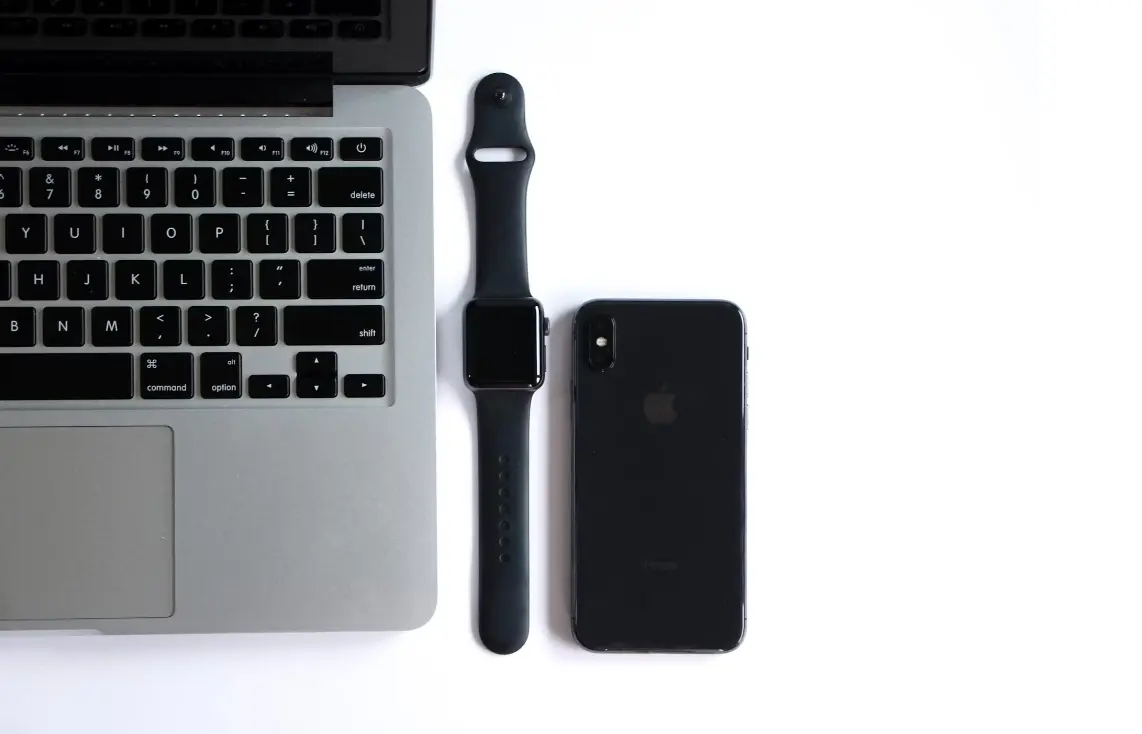
Overview of FCC-ID Test Report Processing:
The FCC, or Federal Communications Commission, is directly responsible to Congress. It coordinates domestic and international communications by controlling radio, television, telecommunications, satellites, and cables. It authorizes and manages RF transmission devices and equipment, except those used by the federal government. According to the relevant sections of the CFR (Part 47), all electronic products entering the United States require electromagnetic compatibility certification (fcc certification).
FCC-ID:
This is a CERTIFICATION certification certificate. FCC-ID certification applies to low-power transmitters such as cordless phones, remote controls for automatic doors, radio-controlled toys, security alarm systems, devices that intentionally emit radio frequency energy under Part 15, industrial, scientific, and medical equipment for public use under Part 18, automatic frequency conversion receivers, super-regenerative receivers, TV interface devices, and home computers and peripherals. Products must be tested in an FCC-recognized testing lab, and after obtaining the test report, the technical data of the product, including detailed product photos, block diagrams, user manuals, etc., must be submitted with the test report to an FCC Tcb testing lab. The FCC TCB testing lab will verify all data and issue a certificate, authorizing an fcc id number.
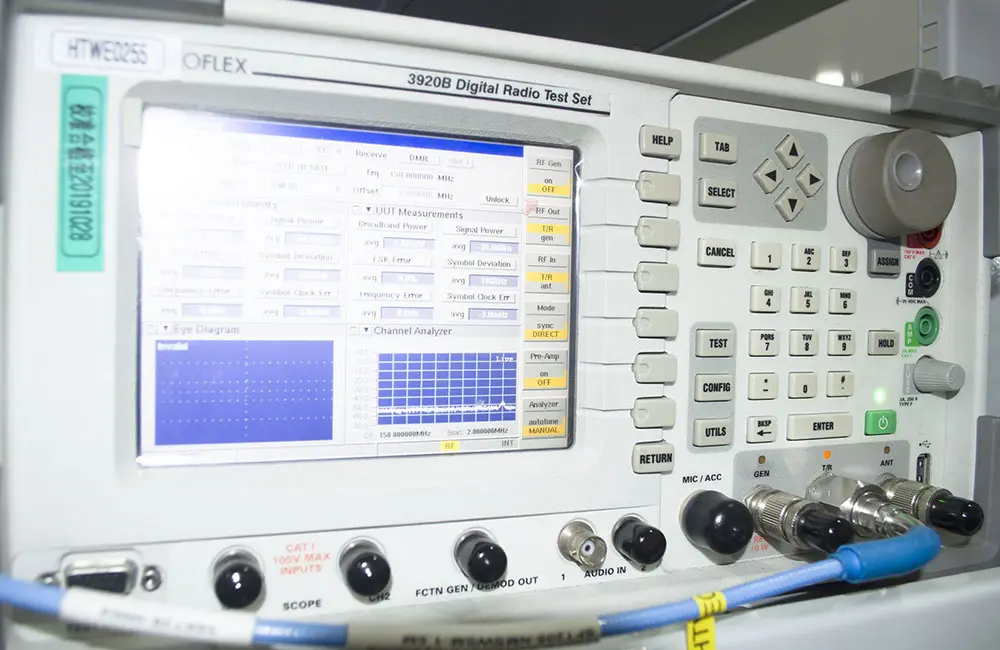
FCC-ID Certification Test Items for Radio Equipment:
1. Frequency Output Power:
Adjust the voltage and current fed into the RF amplifier circuit to the maximum rated power transmission state and add a suitable load to the RF output port to test the maximum RF output power. The method of power adjustment will vary depending on the type of transmission. This should be detailed in the test report.
2. Modulation Characteristics:
- For communication products with voice modulation, measure the frequency response curve of the audio modulation circuit within the 100-5000Hz range. If an audio low-pass filter is used, also measure the frequency response curve of the audio filter.
- For products using modulation limiting processing, measure the relationship curve between the modulation percentage and input voltage across the entire frequency and signal power level range.
- For single sideband and independent sideband radio telephone transmitters with peak envelope power limiting circuits, measure the relationship curve between peak envelope output power and input voltage.
- Other types of products will be handled according to the type of certification applied for and corresponding regulations.
3. Occupied Bandwidth:
When measuring occupied bandwidth, the method will vary depending on the modulation method used by the product. The basic principle is to test under typical business mode with the modulation signal at maximum amplitude, and provide a detailed description of the input modulation signal in the report.
4. Spurious Emissions at the Antenna Port:
In addition to the RF power or voltage at the product's useful frequency points, measure unwanted spurious frequencies. A suitable dummy antenna can be added to the antenna output port during measurement. Pay special attention to harmonics and significant spurious emission points.
5. Spurious Radiated Field Strength:
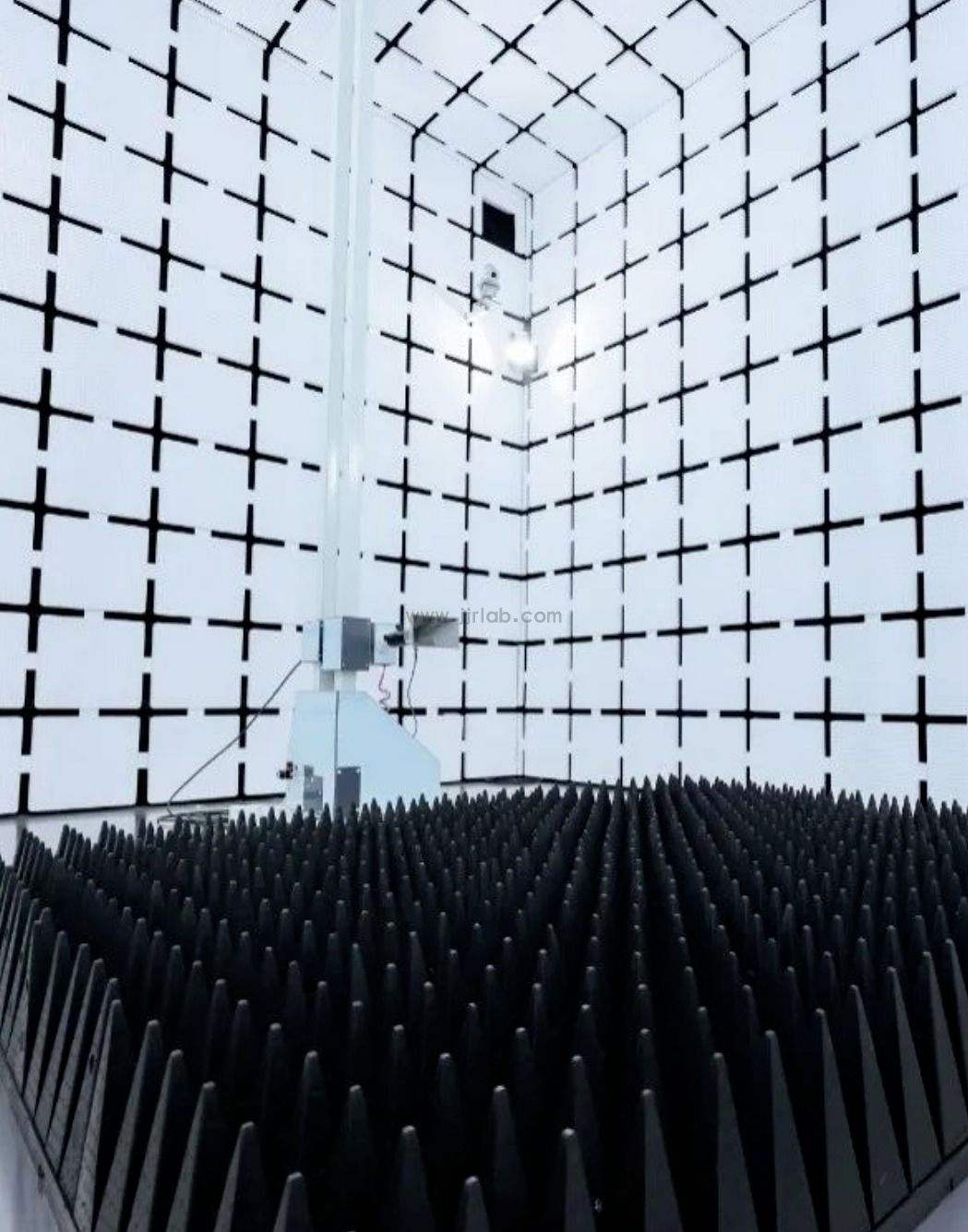
This test primarily detects the harmonic and significant spurious emission points at the product's casing ports, control circuit modules, and power ports. For products with operating frequencies below 890MHz, measurements need to be conducted in an open field or an anechoic chamber. For on-site testing, a detailed investigation and explanation of the nearby RF sources and significant reflective objects are required.
6. Frequency Stability:
Frequency stability needs to be examined under varying environmental temperatures and input voltage changes. In special cases, it may also include the frequency stability of the product when paired with different antennas or when moving near large metallic objects.
FCC-ID Certification Process for Radio Equipment:
1. The client submits an application form (a blank application form will be provided by our company).
2. The client signs a testing contract with our company.
3. Sample testing is conducted, and electrical schematics, external/internal photos, oscillator circuit block diagrams, user manual labels, operating principle descriptions, etc., are prepared (varies by product).
4. If testing is qualified, for FCC VOC certification, our company issues the certificate and report directly. For FCC DOC or ID certification, our company submits the application materials.
5. After obtaining FCC certification, the enterprise can use the fcc mark on its products.
Our laboratory is located in China and can save you 30% on certification testing costs. We welcome you to send your products for testing. Our laboratory is accredited with IEC 17025.
Email:hello@jjrlab.com
Write your message here and send it to us
 EMC Testing Lab IEC 60601 Medical Electrical Safet
 What are the FCC Testing Requirements for Bluetoot
 Australia RCM Certification for Radio Devices
 RED Cybersecurity EN 18031 Standard
 Compliance Testing for EMC
 What is Amazon Toy Compliance?
 What is Cytotoxicity ISO 10993-5
 What is Hemocompatibility Testing ISO 10993?
Leave us a message
24-hour online customer service at any time to respond, so that you worry!