



Japan LED Lighting PSE Certification Process
With the rapid development of the global LED lighting market, Japan, as one of the important overseas markets for LED lighting fixtures, has a market access system that is particularly important for exporting enterprises. This article will delve into the Japanese PSE (Product Safety of Electrical Appliances & Materials) certification system, especially the certification requirements for LED bulbs and LED lighting fixtures, providing detailed guidance for lighting equipment companies to successfully enter the Japanese market.
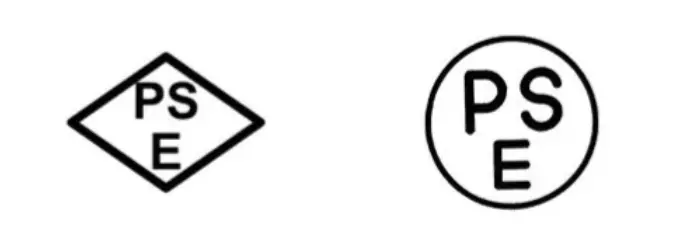
Overview of pse certification
PSE certification is a mandatory market access system for electrical appliances in Japan, divided into "specified electrical appliances" and "non-specified electrical appliances." The former requires certification by a third-party organization authorized by the Ministry of Economy, Trade, and Industry of Japan and must bear the diamond-shaped pse mark; the latter requires self-testing and self-declaration, bearing the circular PSE mark. For LED lighting products, as of July 1, 2012, qualified LED bulbs and LED lighting fixtures are categorized as "non-specified electrical appliances" and require circular PSE certification.
Standards for LED Bulbs and LED Lighting Fixtures
LED Bulbs
- Applicable Standards: Mainly follows JIS C 8156(2011) standards for general lighting LED bulbs and similar products.
- Regulated Conditions: Rated voltage 50-250V; bulb power not exceeding 60W, 50Hz or 60Hz, rated power 1W and above, using specific lamp bases (such as E-type, B-type, or GX53).
- Non-regulated Items: DC powered without AC/DC conversion circuit, non-bulb-shaped bulbs, specific lamp bases not suitable for household use, rated power less than 1W, etc.
LED Lighting Fixtures
- Regulated Conditions: Rated voltage not exceeding 1000V, 50Hz or 60Hz (excluding explosion-proof lighting fixtures).
- Non-regulated Items: Components not generally considered electrical appliances, easily detachable connection parts (such as LED control devices), products already regulated under other categories (such as desk lamps, advertisement lamps), etc.
Testing Basis and Standards Content
LED bulbs and LED lighting fixtures must comply with the technical standards for electrical appliances in Japan. The testing content usually includes electrical safety, electromagnetic compatibility, energy efficiency, and other aspects. Specific testing standards and requirements can refer to JIS related standards and the latest regulations published by the Ministry of Economy, Trade, and Industry of Japan.
China JJR Laboratory provides Japanese PSE certification, JIS certification, PSC certification, JAS certification, MIC certification, VCCI certification, JATE certification, TELEC certification. Please send your specifications to get a certification quote.
Email:hello@jjrlab.com
Write your message here and send it to us
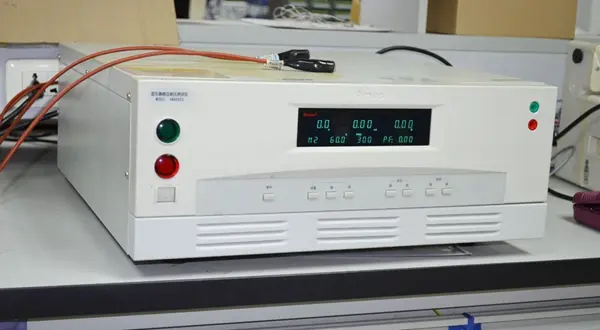 What is UL 1642 Compliance Certification?
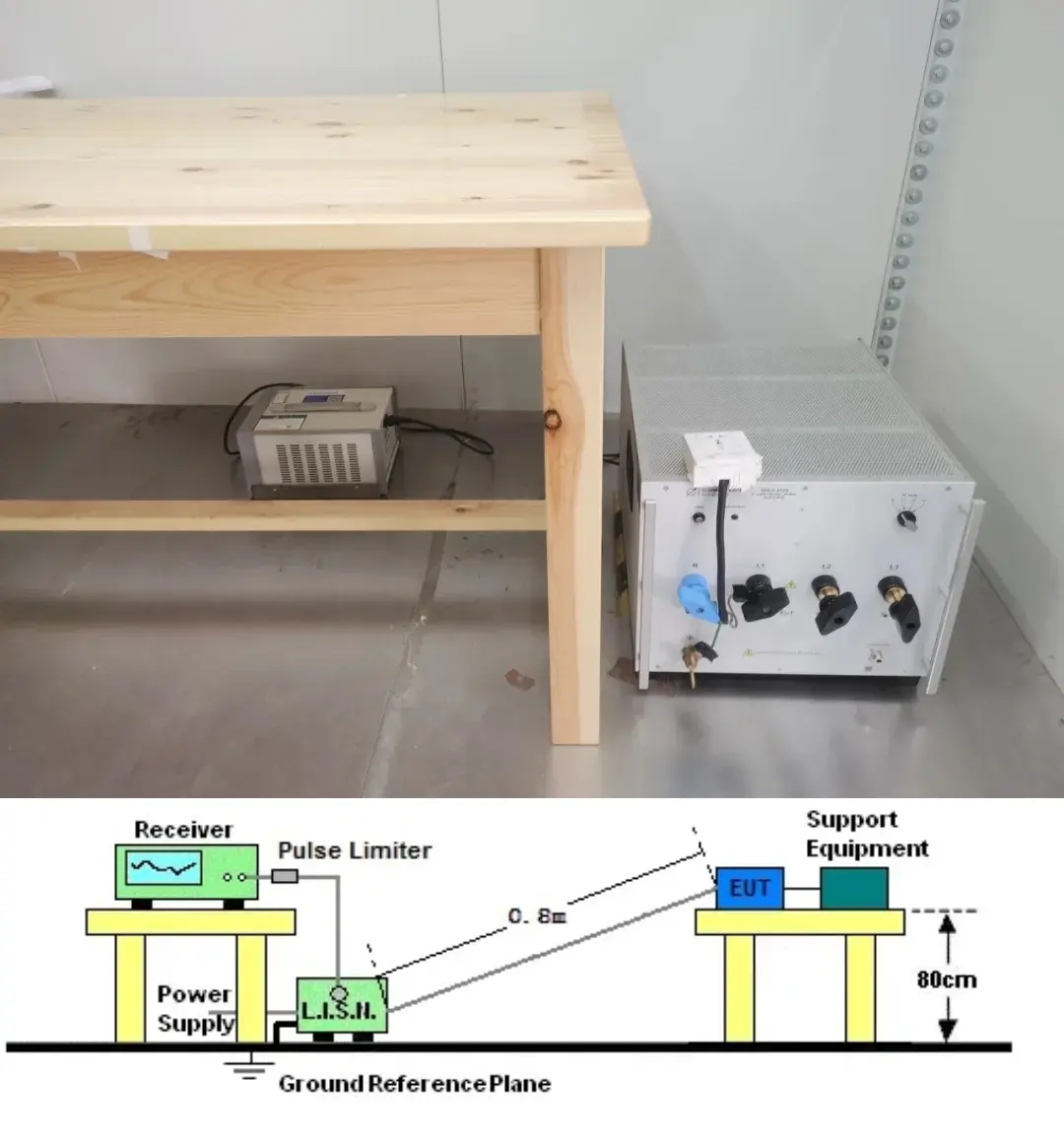 What Is Amazon's UL 60335 Standard
 How to get a UL 60335 Test Report
 What is UL 60335 Certification Compliance?
 What is EN 61000 Certification Compliance?
 How to get an EN 61000 Test Report?
 What is the Amazon EN 55035 Standard?
 What is EN 55035 Certification Compliance?
Leave us a message
24-hour online customer service at any time to respond, so that you worry!