



KC Certification Process for South Korea
This document introduces the process and precautions for electronic products to apply for kc certification when exported to South Korea. If you are looking for a compliant laboratory to obtain KC certification, please contact JJR Laboratory. We can help you save 30% of certification costs.
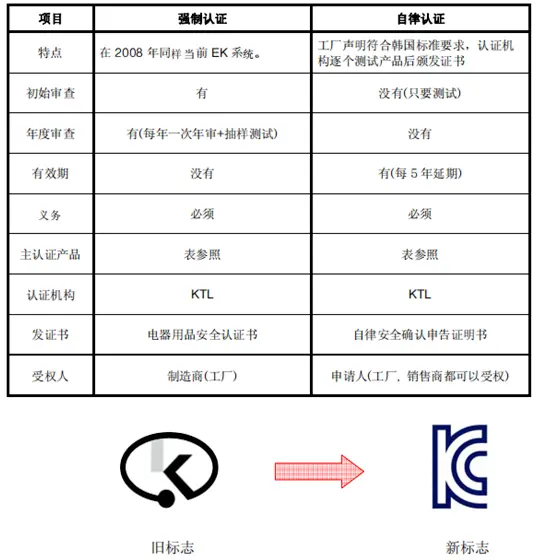
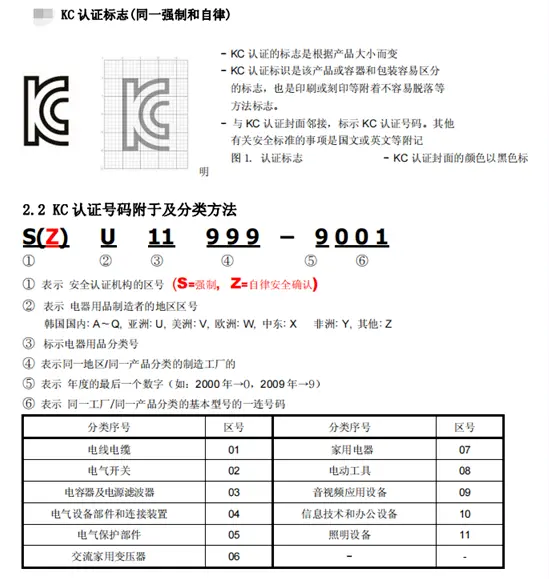
KC Certification Process
1. Preparation Phase
(1) Understand Relevant Standards
Confirm the KC standards applicable to the product. Examples are as follows:
① Electrical Equipment: KC 60950-1 (Information Technology Equipment)
② Household Appliances: KC 60335-1 (Safety of Household and Similar Electrical Appliances)
③ Toys: KC 71 (Toy Safety Standards)
(2) Select a Certification Body
Choose a certification body recognized by the Korea Agency for Technology and Standards (KATS), such as the Korea Testing Laboratory (KTL) or other qualified institutions.
2. Application Submission
(1) Prepare Application Documents
Fill out the KC certification application form and specify product details.
(2) Required Supporting Documents
① Product specifications
② Design drawings
③ Technical parameters
④ Material lists
⑤ Production process descriptions
3. Sample Testing
(1) Sample Preparation
Provide 3–5 samples in accordance with certification requirements.
(2) Testing Items
a. Electrical Safety Testing
① Insulation Strength Test: Evaluate the insulation performance of the product.
② Withstand Voltage Test: Verify the product’s safety under high voltage conditions.
③ Temperature Rise Test: Monitor temperature elevation during normal operation.
2. Electromagnetic Compatibility (EMC) Testing
① - radiated emission test: Ensure the product does not generate electromagnetic interference to the surrounding environment.
② - Immunity Test: Assess the product’s stability in electromagnetic interference environments.
3. Material Testing
① - Heavy Metal Test: Ensure the material does not contain hazardous heavy metals (e.g., lead, cadmium).
② - Plastic and Coating Safety Test: Verify that materials used meet safety standards.
4. Review and Evaluation
(1) Test Report Review
Examine test results to confirm compliance with KC standards.
(2) Factory Inspection (If Applicable)
Inspect the production environment and management system, which is mandatory for complex products (e.g., electrical equipment and machinery).
5. Certification Issuance
(1) Obtain kc certificate
The certification body issues the official KC certification certificate.
(2) Marking Requirements
Affix the KC mark on qualified products.
6. Post-certification Management
(1) Regular Review
Conduct periodic re-examinations and retests as required.
(2) Change Management
Re-evaluation is mandatory if the product undergoes major design or material changes.
Product Types and Corresponding Main Testing Items
Product Type | Main Testing Items |
Electrical Equipment | Insulation Strength Test, Withstand Voltage Test, Temperature Rise Test, emc test |
Household Appliances | Safety Test, EMC Test, Material Safety Test |
Toys | Chemical Composition Test, Physical Safety Test |
Mechanical Equipment | Safety Protection Test, Performance Test, EMC Test |
LED Lighting Fixtures | Electrical Safety Test, EMC Test, Optical Performance Test |
Batteries | Electrical Safety Test, Short Circuit and Overcharge Test, Thermal Stability Test |
Precautions
1. Testing items may vary depending on product types and applicable standards.
2. Selecting a suitable certification body and arranging the certification timeline reasonably will help accelerate the entire process.
Email:hello@jjrlab.com
Write your message here and send it to us
 What is Cytotoxicity ISO 10993-5
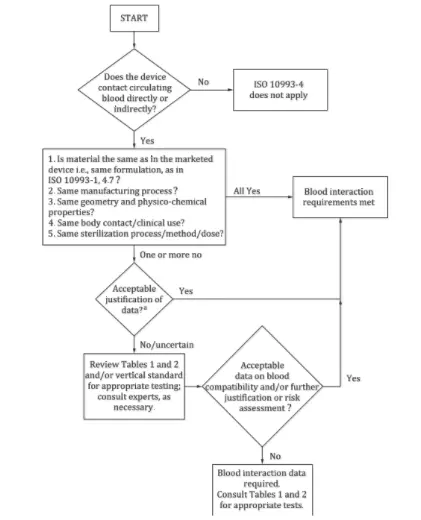 What is Hemocompatibility Testing ISO 10993?
 What is ISO 10993-5 Tests for In Vitro Cytotoxicit
 Electronic Product IEC 62368-1 Safety Testing
 What is an EU SDS (Safety Data Sheet)?
 What is the CA Prop 65 Warning Label?
 2026 Amazon TIC Mandatory Audit Catalog
 Australian Electrical EESS and RCM Compliance
Leave us a message
24-hour online customer service at any time to respond, so that you worry!