



What is Korean KC certification?
Want to Enter the Korean Market? Without kc certification, You're Stuck!
Whether it’s electronics, children’s products, or industrial equipment, KC certification is an unavoidable “gateway” for the Korean market.
Today, we’ll use this article to help you fully understand the KC certification process, costs, and key considerations, so you can avoid detours and get through quickly!
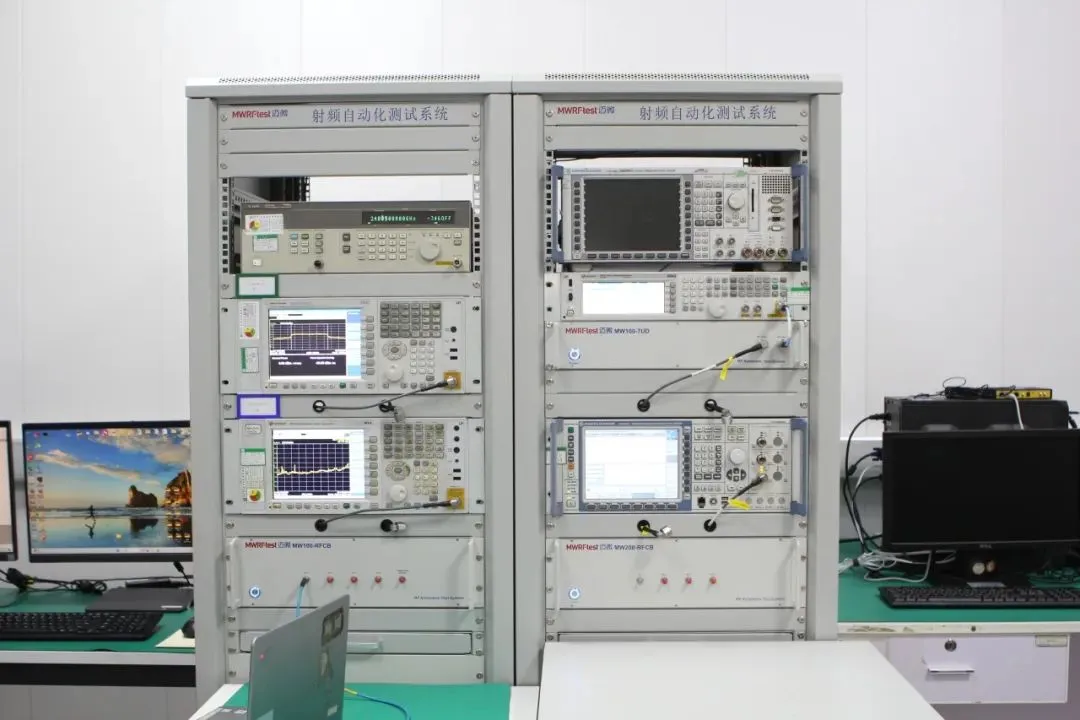
Types of Certification
Core Content:
What is KC Certification?
KC Certification (Korea Certification) is Korea’s mandatory safety certification system, managed by the Korean Agency for Technology and Standards (KATS). Products without the KC mark cannot be sold in Korea, and violations may lead to fines, recalls, or even bans!
Key Points:
Main Types:
- Safety Certification (KC Safety)
- Electromagnetic Compatibility Certification (KC EMC)
- Energy Efficiency Certification (KC Energy)
Applicable Products:
Electronics, children’s products, industrial equipment, consumer goods, etc. (specific items can be checked in the KATS catalog).
Which Products Must Obtain KC Certification?
Electronics:Chargers, home appliances, IT devices, etc.
Children’s Products:Toys, strollers, stationery, etc.
Industrial Products:Machinery, measuring instruments, safety equipment, etc.
Others:Lighting, batteries, power adapters, etc.
Note: Korea has strict safety requirements, and some products also need to meet KC EMC or energy efficiency standards.
Certification Process
Detailed KC Certification Process (with Timeline)
1. Prepare Documents (1–2 weeks)
- Product manual (Korean version)
- Circuit diagrams and key component lists
- Business license (requires cooperation with a Korean agent)
2. Sample Testing (2–4 weeks)
- Conducted by a Korean accredited laboratory for safety/emc testing
3. Factory Audit (if required, 1–2 weeks)
- Checks production quality system to ensure consistency
4. Certificate Issuance (1–2 weeks)
- Once approved, you receive the kc certificate, usually valid for 5 years
⏳ Total Duration:About 2–3 months (expedited process can reduce it to 4–6 weeks)
How Much Does KC Certification Cost?
Costs vary depending on product and test items, generally including:
- Testing Fee:$2,000–$4,000 (higher for home appliances)
- Agency Fee:Application must go through a local Korean agent, service fee approx. $2,000–$3,500
- Factory Audit Fee:If required, an additional $1,300–$2,000
How to Apply the KC Mark
Mark Content:KC logo + certification number + safety warning (if applicable)
Placement Requirements:Must be clearly visible, usually on the product or packaging
Example:
“KC123456-A” +“Please read the manual before use”
Email:hello@jjrlab.com
Write your message here and send it to us
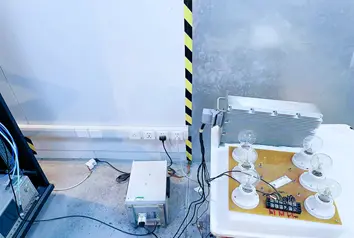 How to get a UL 60335 Test Report
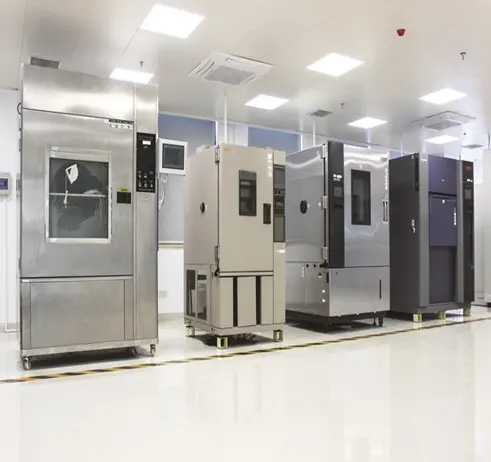 What is UL 60335 Certification Compliance?
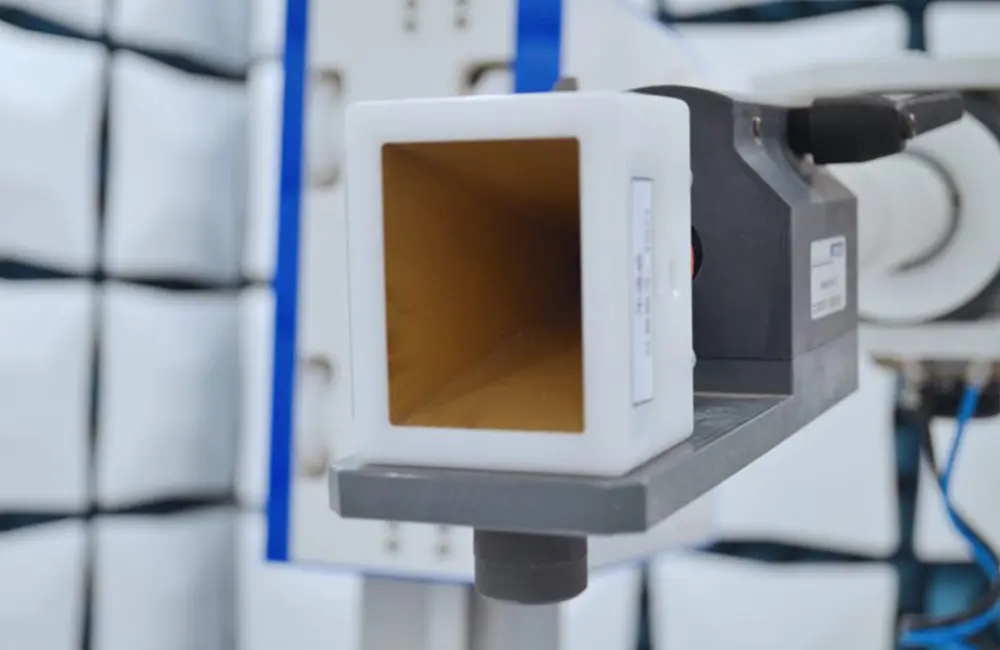 What is EN 61000 Certification Compliance?
 How to get an EN 61000 Test Report?
 What is the Amazon EN 55035 Standard?
 What is EN 55035 Certification Compliance?
How to get the EN 55035 Test Report?
What is EN 55035 Certification Compliance?
How to get the EN 55035 Test Report?
 What is the Amazon EN 301 489 Standard?
Leave us a message
24-hour online customer service at any time to respond, so that you worry!