



Low Voltage Directive (LVD) 2014/35/EU
The full name of LVD is the low voltage directive. The currently effective version is 2014/35/EU, which was officially implemented on April 20, 2016. It is a mandatory safety regulation for electrical products entering the European Union market and one of the core directives for CE certification. The directive harmonizes electrical safety standards across EU member states, eliminates trade barriers, and has the core objective of mitigating risks such as electric shock, fire, high temperatures, and mechanical hazards from equipment, in order to protect the safety of users, domestic animals, and property.
Scope of Application and Exemptions
The directive defines its regulatory boundaries based on voltage ratings: electrical equipment with a voltage rating between 50V and 1000V for alternating current (AC) and between 75V and 1500V for direct current (DC) are subject to its constraints. This covers all categories of household, commercial, and industrial electrical products, including home appliances, IT power supplies, lighting, power tools, cables, switches, industrial control equipment, etc.
Products excluded from LVD control: Products with AC/DC voltages below the aforementioned limits (which fall under the General Product Safety Directive), explosion-proof electrical equipment, medical devices, electrical parts for elevators, electricity meters, specialized plugs and sockets, and complete machines powered solely by low-voltage batteries (though their external chargers must still comply with the LVD).
Core Safety Requirements
The directive does not specify detailed technical parameters but only sets essential safety objectives, covering risks in three types of usage scenarios:
Safety under normal use: Clear product identification, convenient installation and maintenance, and stable basic protection.
Protection against hazards arising from the equipment itself: Prevention of direct/indirect electric contact, limitation of dangerous electrical arcs and high temperatures, suppression of fire risks, and reliable insulation structures.
Protection under abnormal conditions: Ensuring no safety accidents occur under overload, short-circuit, or foreseeable misuse conditions; ensuring the enclosure and structure have sufficient mechanical strength and can withstand environmental effects such as moisture and high temperatures.
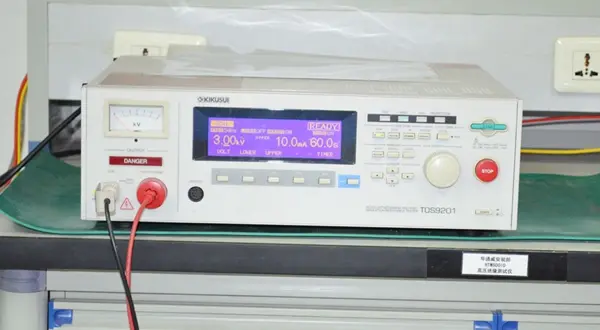
To achieve practical compliance, enterprises must rely on EU harmonized standards (EN series), such as EN 60335 for home appliances, en 60950 for power supplies, and EN 60598 for luminaires. Based on these standards, a full set of safety tests must be completed, including withstand voltage, leakage current, grounding, temperature rise, flame retardance, and electrical clearance.
Complete Compliance Process
Risk Assessment: Identify hazards across all usage scenarios of the product and generate a written assessment report, which serves as the core of the technical documentation.
Sample Testing: Entrust testing to an ISO 17025 accredited laboratory. Faults and abnormal conditions must be verified simultaneously, and any non-compliant items must be rectified and retested.
Establishing Technical Documentation: This includes product drawings, Bill of Materials (BOM), component certificates, test reports, user manuals, and risk assessment records. The documents must be retained for at least 10 years and be available for retrieval within the EU at any time.
Signing the Declaration of Conformity (DoC): Issued by the manufacturer or the eu authorized representative, the document must explicitly specify the product, applicable directives, and standards.
Affixing the ce mark: Clearly mark the CE symbol on the product itself and its outer packaging, alongside the manufacturer's name, model, and origin information.
Responsibilities of Market Parties
Manufacturers: Bear the primary responsibility for compliance, complete testing, establish documentation, issue the DoC, and ensure that mass production is consistent with the tested samples.
Importers: Verify the CE mark on the product and the completeness of the technical documentation. Non-compliant products are prohibited from circulation.
Distributors: Verify basic compliance markings. If any safety defects are discovered, they must immediately remove the product from shelves and report it to regulatory authorities.
Compliance Notes
The LVD is mandatorily enforced in parallel with other directives such as EMC, RoHS, and ErP. Exported products must simultaneously satisfy all applicable regulations. Conventional consumer electrical products adopt Module A (Internal production control / Self-declaration), which does not require the intervention of a Notified Body (NB); however, for high-risk industrial equipment, it is recommended to entrust an NB for assessment to reduce the risk of penalties from market spot checks. Non-compliant products will be detained or recalled by EU customs, and enterprises will face heavy fines while their brand's qualifications for EU market access will be severely impacted.
Email:hello@jjrlab.com
Write your message here and send it to us
 Australia RCM Certification for Radio Devices
 RED Cybersecurity EN 18031 Standard
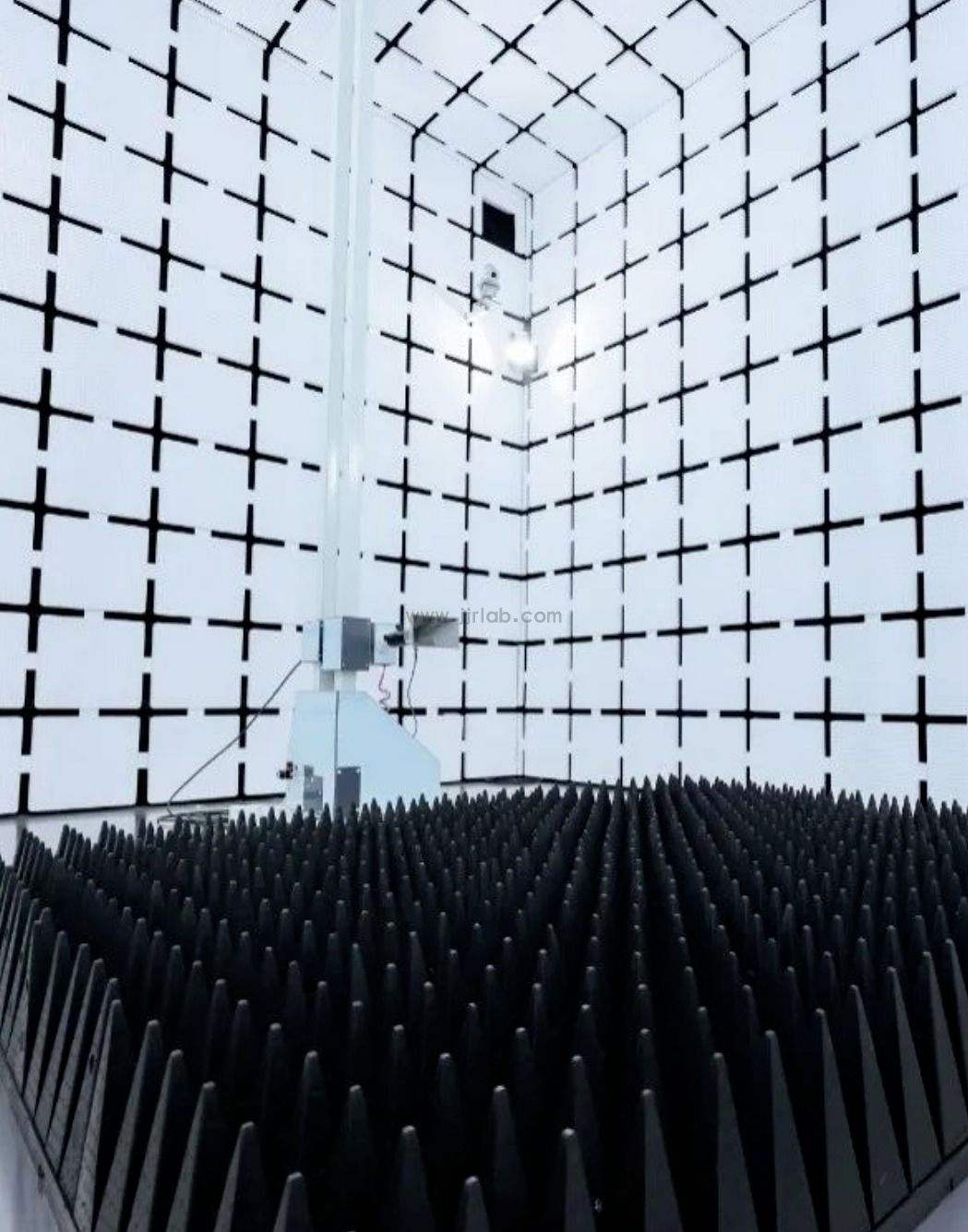 Compliance Testing for EMC
 What is Amazon Toy Compliance?
 What is Cytotoxicity ISO 10993-5
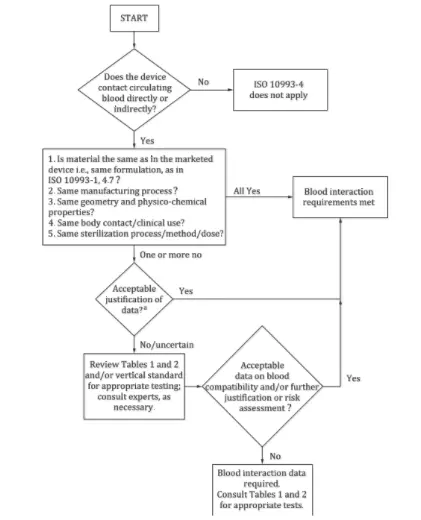 What is Hemocompatibility Testing ISO 10993?
 What is ISO 10993-5 Tests for In Vitro Cytotoxicit
Electronic Product IEC 62368-1 Safety Testing
What is ISO 10993-5 Tests for In Vitro Cytotoxicit
Electronic Product IEC 62368-1 Safety Testing
Leave us a message
24-hour online customer service at any time to respond, so that you worry!