



Obtaining CE-RED Certification for Wireless Products
In a globalized market environment, the demand for wireless products in the EU market continues to grow. If you wish to introduce your wireless products to the EU market via cross-border e-commerce platforms like TEMU or Amazon, CE-RED certification is an essential credential.

What is CE-RED Certification?
CE-RED certification is a product safety certification system for radio equipment established by the European Community (now the European Union). It replaces the previous R&TTE Directive and has become a legal requirement in the EU to ensure that radio equipment sold in the European market complies with relevant safety, health, and environmental standards. The CE-red directive, numbered 2014/53/EU, has been in effect since June 13, 2016. Products conforming to the old R&TTE Directive are prohibited from being sold in the EU market.
What Tests Are Included in CE-RED Certification?
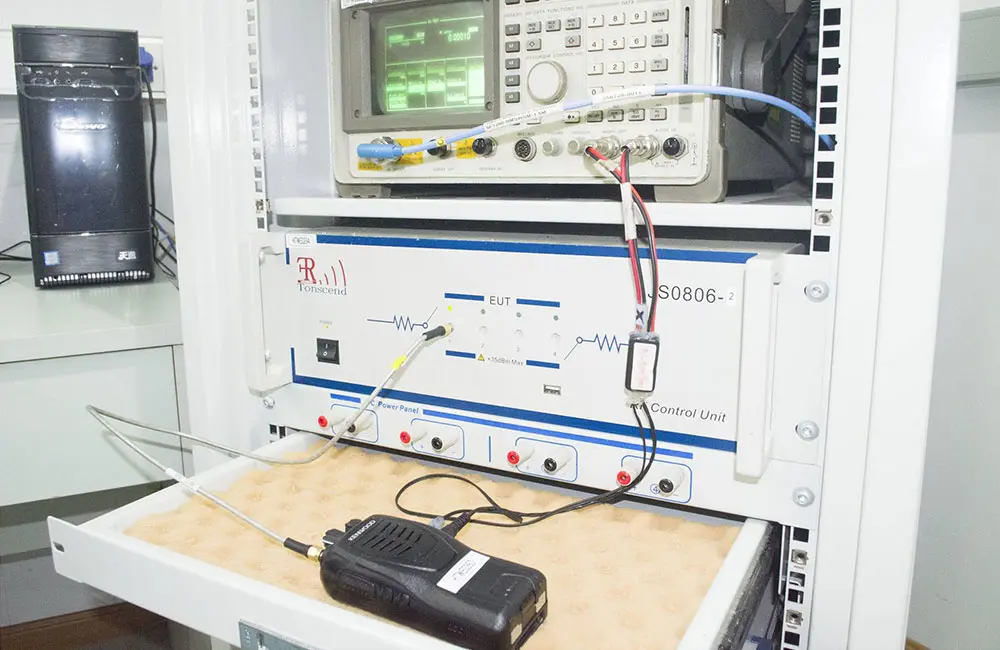
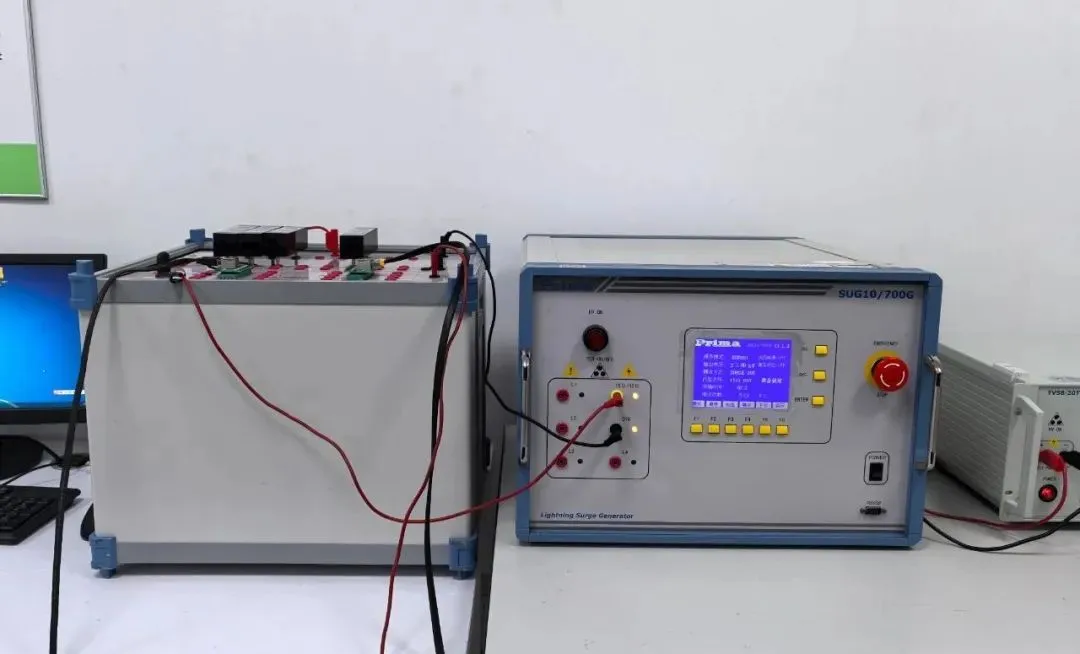
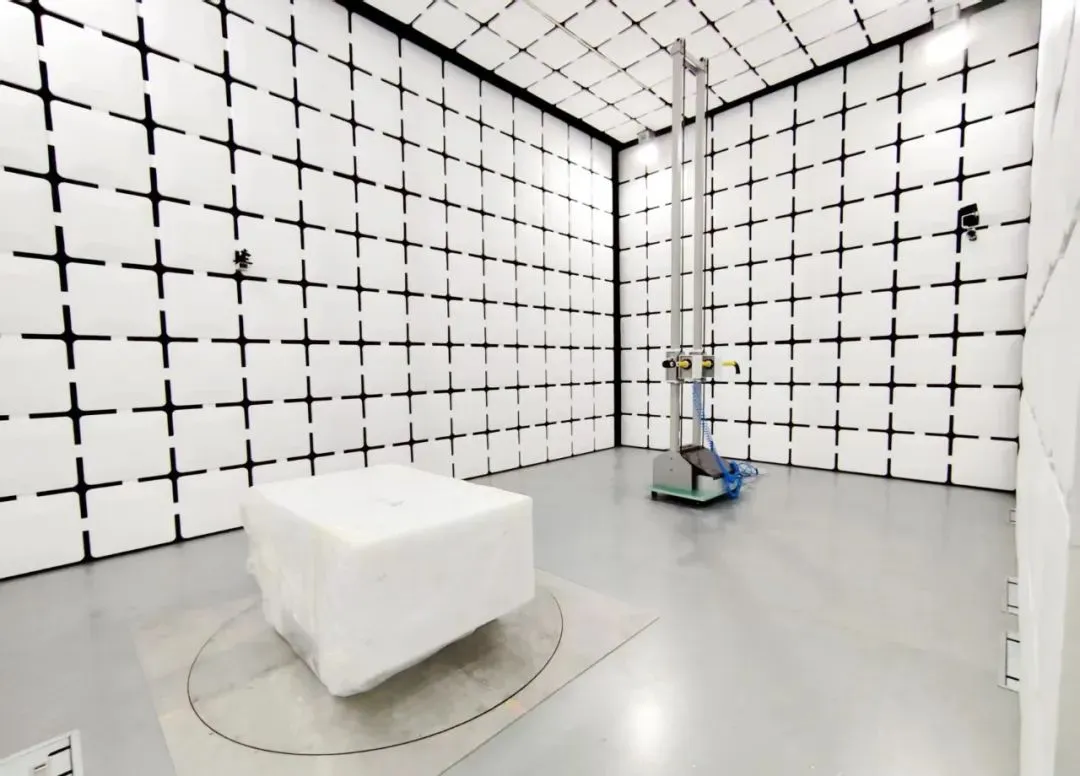
1. Electromagnetic Compatibility (EMC) Test
Evaluates the performance of radio equipment in an electromagnetic environment to ensure it does not cause or suffer interference from other devices.
2. Safety Test (LVD)
Tests the safety performance of the equipment to ensure it does not pose any risks to personal safety during normal use or in case of faults.
3. Radio Communication Equipment Test (RF Test)
Conducted in accordance with European ETSI standards (e.g., EN 300 220 series), it evaluates radio frequency performance such as transmission power, frequency stability, bandwidth usage, spurious emissions, and receiver sensitivity.
4. Notification for Permissible Frequency Bands in Europe
Ensures the device operates within the frequency bands permitted by European regulations.
5. Electrical Safety and Health Protection Test (SAR Evaluation/Test)
Assesses the potential impact of radio equipment on human health, such as SAR value testing for devices like mobile phones.
How to Apply for CE-RED Certification for Wireless Products?
Step 1: Understand CE-RED Certification
CE-RED (Radio Equipment Directive) certification is mandatory for wireless products in the EU, ensuring that devices meet unified safety, health, and environmental requirements. It covers a wide range of products, including Bluetooth devices, Wi-Fi devices, wireless remote controls, and mobile phones.
Step 2: Confirm Product Scope and Classification
Determine whether your wireless product falls under the CE-RED certification category. Different types of products may have specific requirements and standards. For example, short-range wireless devices and long-range wireless communication devices differ in testing parameters and limits. Refer to the relevant directive documents to clarify your product category for precise certification work.
Step 3: Prepare Technical Documents
a. Product Manual
Provide a detailed product manual including function descriptions, working principles, wireless technologies used (e.g., Bluetooth version, Wi-Fi protocol), frequency range, transmission power, and other key information.
b. Circuit Diagram and PCB Layout
Submit the circuit diagram and PCB layout for the product to help assess electrical safety and electromagnetic compatibility. These diagrams should be clear, accurate, and labeled with key components and connections.
c. User Manual
Create a user manual in the official EU language(s) with installation, usage, and maintenance instructions, along with important safety notices. For instance, wireless devices with significant transmission power should warn users to maintain a safe operating distance to avoid potential electromagnetic radiation risks.
d. Risk Assessment Report
Conduct a comprehensive evaluation of potential risks during product use, including health impacts (e.g., electromagnetic radiation risks), interference risks with other devices, and product safety risks (e.g., overheating, short circuits). Describe measures taken to mitigate these risks.
Select a Certification Body
Credential Review
Choose a laboratory with wireless certification credentials (e.g., China's JJR Laboratory).
Communication and Understanding
Engage with the certification body to understand their processes, fee structures, timelines, and their familiarity with your product type. Inquire about special testing requirements or recommendations.
Submit the Certification Application
Complete the Application Form
Request the CE-RED certification application form from the certification body and accurately fill out product details, including name, model, brand, manufacturer information (name, address, contact details), and applicable standards or directive versions.
Submit Documents and Samples
Provide prepared technical documents and product samples as required. Ensure samples represent the quality and performance of mass-produced products.
Product Testing Phase
1. emc testing
Tests the product’s resistance to interference and emission levels to ensure it does not disrupt nearby electronic devices or experience disruptions in complex electromagnetic environments.
2. Radio Performance testing
Tests critical wireless performance, including transmission power, frequency accuracy, modulation characteristics, and receiver sensitivity. These parameters must meet EU standards to ensure quality and stability.
3. Safety Testing
Checks electrical and mechanical safety, ensuring proper insulation and protection against potential hazards like electrical shock or unstable mechanical parts.
4. Rectification and Retesting (If Required)
If non-conformities arise during testing, the certification body will issue a report. Address the issues as specified and resubmit samples for retesting until all requirements are met.
Obtain Certification
Once the product passes all tests, the certification body will issue a CE-RED certification. The certificate will detail product information, standards, and validity. You can now legally affix the ce mark to your product, allowing it to be sold in the EU market.
While the CE-RED certification process for wireless products is complex, thorough preparation and adherence to procedures will pave the way for your product to enter the EU market, unlocking broader development opportunities.
Email:hello@jjrlab.com
Write your message here and send it to us
 What is the ASTM F2167 Certification Test?
 What is the ASTM F2050 Certification Test?
 What is ASTM F1967 Certification Testing? How to g
 What is the ASTM F1917 Certification Test?
 How to get ASTM F1821 Certification
 What is the ASTM F1821 Testing Standard?
 Electronic Products Safety Testing Laboratory
 HAC Hearing Aid Compatibility Testing
Leave us a message
24-hour online customer service at any time to respond, so that you worry!