



RF Testing Services
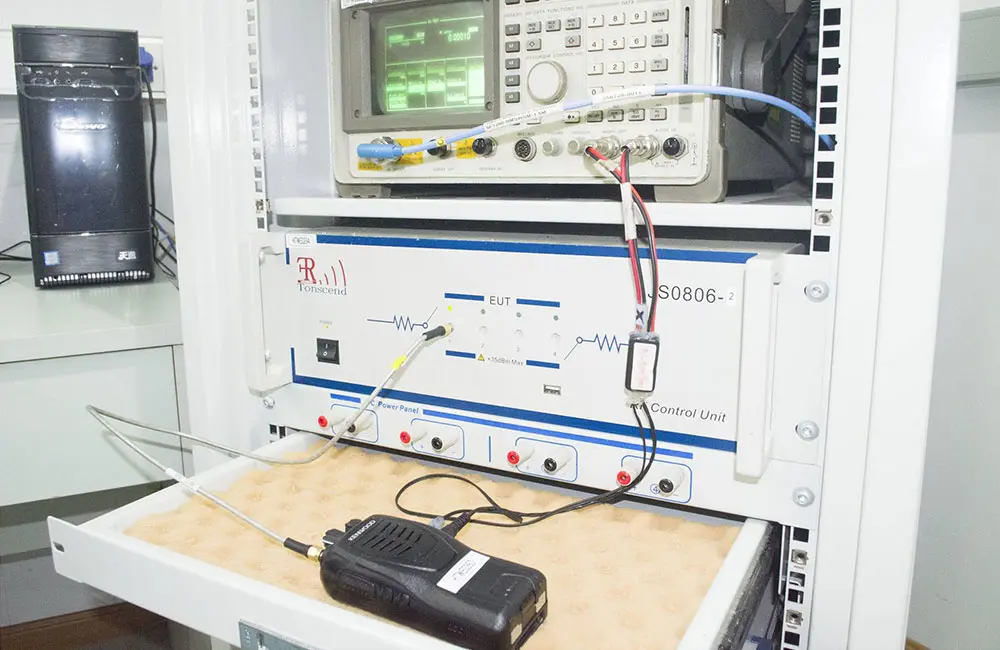
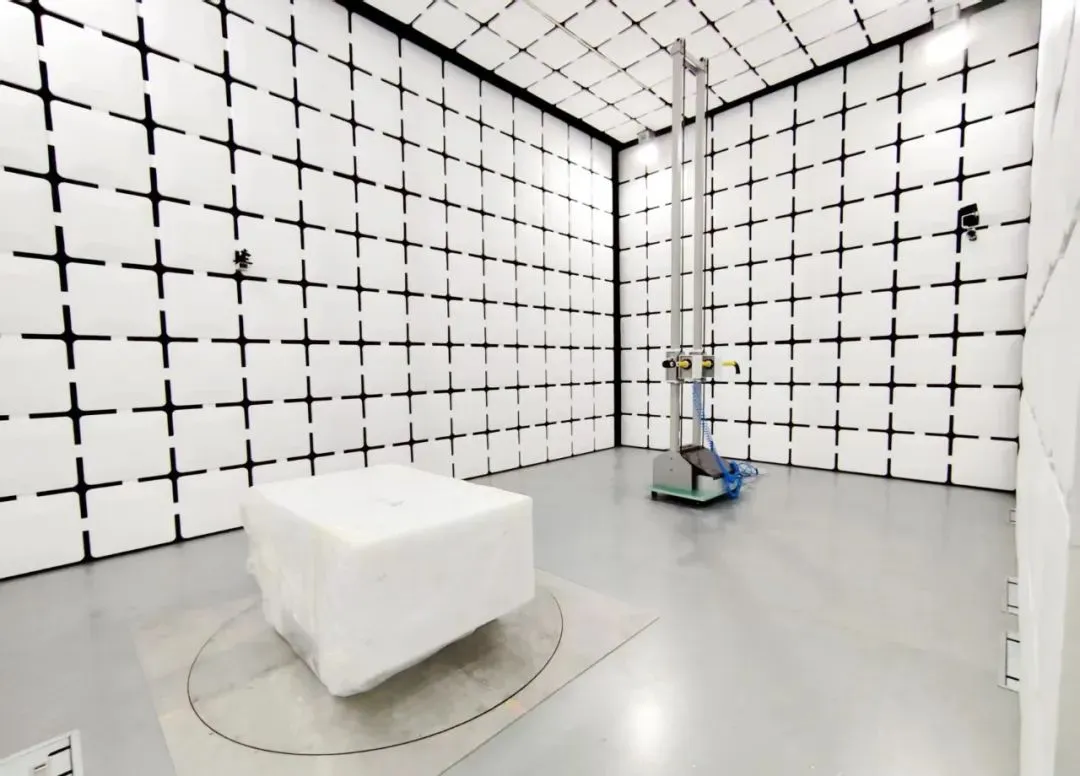
RF Testing simulates the functionality and performance of radio and electronic communication devices to ensure their efficient use of the radio spectrum and prevent interference with other users of the spectrum. RF testing verifies the effective utilization of the radio spectrum by radio devices, promoting its efficient management. JJR has established a cutting-edge, fully equipped, and automated rf testing laboratory built to international and top domestic standards. The lab is staffed by a team of experts dedicated to RF testing technology research and applications, ensuring the safety and performance of wireless devices.
In most international markets, including the European Union, the United States, Canada, Australia, and Japan, RF compliance is a mandatory requirement. If you manufacture wireless devices or integrate them into your end products, you must adhere to the target market's regulations. Non-compliance will result in products being unable to be legally sold. RF testing can detect issues early, helping companies avoid costly rework due to missing tests and enabling faster entry into global markets.
Our Advantages
- Professional and Impartial
Accredited as a third-party testing agency with qualifications such as CMA and CNAS.
- Rigorous and Efficient
High-standard laboratory setups, dedicated one-on-one engineer consultants, automated RF testing platforms for comprehensive, efficient, and convenient services.
- Wide Coverage
Testing services spanning industries from electronic components to aerospace.
- Innovative Solutions
"One-stop service" offering comprehensive solutions.
Key RF Testing Items
Operating frequency range, magnetic field requirements, RF output power, transmitter power and control, power density, duty cycle, transmission sequence, transmission gaps, accumulated transmission time, frequency occupancy, hopping sequence and intervals, medium utilization and adaptability, channel bandwidth, transmitter out-of-band emissions, receiver spurious response, conducted emissions, spurious response and radiated spurs, receiver blocking, geolocation capability, transmitter frequency and phase errors, RF output spectrum, adjacent channel selectivity and leakage ratio, carrier frequency stability, dynamic frequency selection, receiver reference sensitivity level, total radiated power, receiver intermodulation characteristics.
RF Testing Standards
- ETSI EN 301 489 Series: EMC standards for radio equipment and services.
- ETSI EN 301 511: GSM mobile station (MS) equipment.
- ETSI EN 301 893: 5 GHz broadband radio access devices.
- ETSI EN 301 908 Series: IMT cellular networks; harmonized standard for access to the radio spectrum.
- ETSI EN 300 220-2: Non-specific radio equipment: Short-range devices (SRD) operating in the 25 MHz to 1000 MHz frequency range.
- ETSI EN 300 328: Broadband transmission systems: Data transmission devices operating in the 2.4 GHz band.
- ETSI EN 300 330: Short-range devices (SRD); Radio equipment for 9 kHz to 25 MHz and induction loop systems for 9 kHz to 30 MHz.
- ETSI EN 300 440: Short-range devices (SRD); Radio equipment operating in the frequency range 1 GHz to 40 GHz.
- ETSI EN 302 502: Wireless Access Systems (WAS); 5.8 GHz fixed broadband data transmission systems.
- ETSI EN 303 413: Satellite Earth Stations and Systems (SES); GNSS receivers operating in the 1164 MHz–1300 MHz and 1559 MHz–1610 MHz bands.
- ETSI EN 303 417: Wireless power transmission systems using RF beams in ranges like 19–21 kHz, 59–61 kHz, etc.
- AS/NZS 4268: Short-range wireless devices.
Email:hello@jjrlab.com
Write your message here and send it to us
 What is the ASTM F2167 Certification Test?
 What is the ASTM F2050 Certification Test?
 What is ASTM F1967 Certification Testing? How to g
 What is the ASTM F1917 Certification Test?
 How to get ASTM F1821 Certification
 What is the ASTM F1821 Testing Standard?
 Electronic Products Safety Testing Laboratory
 HAC Hearing Aid Compatibility Testing
Leave us a message
24-hour online customer service at any time to respond, so that you worry!