



Introduction to RoHS, WEEE, and REACH Compliance
What Are the Differences Between RoHS, WEEE, and REACH?
Name Interpretations
- RoHS: Restriction of Hazardous Substances. This refers to the EU directive on restricting the use of certain hazardous substances in electrical and electronic equipment.
- REACH: REGULATION concerning the Registration, Evaluation, Authorization, and Restriction of Chemicals. This is the EU regulation for the management of chemicals.
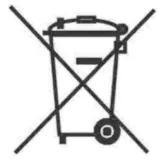
- WEEE: Waste Electrical and Electronic Equipment. This is the EU directive for managing waste from electrical and electronic equipment.
Definitions and Key Points
What is RoHS?
RoHS, also known as environmental certification, is a mandatory EU standard. Initially implemented on July 1, 2006, the current directive is 2011/65/EU.
Its primary purpose is to regulate the material and process standards of electrical and electronic products, ensuring they are more beneficial to human health and environmental protection.
The directive sets limits for hazardous substances such as lead, mercury, cadmium, hexavalent chromium, polybrominated biphenyls, polybrominated diphenyl ethers, and phthalates in electrical and electronic products. Products exceeding these limits are prohibited from entering the EU market.
What is REACH?
REACH addresses the production and use of chemical substances and their potential impacts on human health and the environment. It is a precautionary EU regulation for all chemicals entering the EU market, implemented on June 1, 2007.
REACH requires that chemicals imported into or manufactured within Europe undergo a series of procedures, including registration, evaluation, authorization, and restriction, to ensure safety for humans and the environment. The key elements are:
- Registration: All chemical substances with an annual production or import volume exceeding 1 ton must be registered. For those exceeding 10 tons, a chemical safety report is required.
- Evaluation: Includes dossier and substance evaluation. Dossier evaluation verifies the completeness and consistency of registration files, while substance evaluation assesses risks to human health and the environment.
- Authorization: Applies to substances of high concern, including CMRs (carcinogenic, mutagenic, or toxic for reproduction), PBTs (persistent, bioaccumulative, and toxic substances), and vPvBs (very persistent and very bioaccumulative substances). The current list of substances of very high concern (svhcs) includes 219 items.
- Restriction: Limits the manufacturing or marketing of substances or products that pose uncontrollable risks to human health or the environment within the EU.
What is WEEE?
The weee directive, adopted in 2002 as 2002/96/EC, addresses waste from electrical and electronic equipment. Its primary goals are waste prevention and facilitating the recycling, reuse, and remanufacturing of discarded products to reduce resource waste.
Since August 13, 2005, manufacturers of electrical and electronic equipment in the EU market are legally obligated to cover the costs of recycling their discarded products. EU member states must establish national recycling plans and facilities to ensure that end-users can conveniently and freely dispose of such equipment.
Scope of Control
- RoHS: Covers electrical and electronic products that may contain hazardous substances like lead, mercury, cadmium, hexavalent chromium, polybrominated biphenyls, polybrominated diphenyl ethers, and phthalates in their production or raw materials.
- Includes household appliances (e.g., refrigerators, washing machines, microwaves, air conditioners), consumer electronics (e.g., audio, video products, TVs, IT products, digital devices), power tools, electronic toys, and medical electrical equipment.
- REACH: Broadly governs the production and use of chemical substances across almost all industries, not limited to industrial chemicals but also products used in daily life.
- Examples include detergents, paints, clothing, furniture, and electronic products. Its impact spans multiple industries globally, including electronics.
- WEEE: Applies to categories of electrical and electronic equipment such as:
- Large and small household appliances
- IT and telecommunication devices
- Consumer equipment
- Lighting devices
- Electrical and electronic tools (excluding large stationary industrial tools)
- Toys, leisure, and sports equipment
- Medical devices (excluding implanted or infected products)
- Monitoring and control instruments
- Vending machines
Comparison
RoHS vs. REACH
- RoHS: Focuses on limiting hazardous substances like lead, mercury, cadmium, and certain flame retardants in electrical and electronic products.
- REACH: Has a broader scope, impacting nearly every industry. It requires manufacturers to register all chemical components in their products, totaling approximately 30,000 substances, and assess their potential health risks. The current SVHC list includes 219 substances.
Interconnection:
RoHS and REACH interact in complex, complementary ways. Compliance with one does not guarantee compliance with the other, and some products may need to meet both standards.
- RoHS specifically targets the electronics industry.
- REACH targets all chemical substances, making RoHS-regulated substances fall under its purview. However, the two directives are separate and do not overlap significantly.
WEEE vs. RoHS
- Purpose: WEEE focuses on recycling and environmental protection by addressing waste disposal, while RoHS ensures environmental protection and human safety during product use.
- Implementation: Both are necessary and complementary. WEEE aims to reduce environmental impact through proper waste management, while RoHS enhances WEEE by regulating hazardous substances.
Under these directives, 11 major categories and 102 types of products are subject to hazardous substance restrictions and waste management. These include large and small household appliances, IT and communication devices, lighting equipment, tools, toys, medical devices (excluding implanted or infected products), monitoring instruments, and vending machines.
Summary
RoHS, REACH, and WEEE differ in focus and product categories:
- RoHS: Targets finished products (mainly electrical and electronic) to ensure safe materials and controlled environmental impact.
- REACH: Manages chemicals (including those in products) to reduce risks throughout their lifecycle.
- WEEE: Focuses on minimizing the environmental impact of discarded products.
Together, these directives promote safer, more sustainable practices in production, usage, and disposal.
Email:hello@jjrlab.com
Write your message here and send it to us
 FDA Requirements for Biocompatibility under ISO 10
 Amazon Spain WEEE Compliance Deadline: September 3
 What is the ASTM F2264 Certification Test?
 What is ASTM F2194 Certification Testing?
 What is the ASTM F2167 Certification Test?
 What is the ASTM F2050 Certification Test?
 What is ASTM F1967 Certification Testing? How to g
 What is the ASTM F1917 Certification Test?
Leave us a message
24-hour online customer service at any time to respond, so that you worry!