


What is DGCCRF Certification Testing
JJR LAB provides a one-stop solution for French DGCCRF certification. With an experienced engineering and business team and over twelve years of testing experience, we offer comprehensive services for all your testing and certification needs.
The French food-grade safety regulation is commonly referred to as the French DGCCRF. Products of this type sold to France must not only comply with the requirements of the EU regulation EC 1935/2004, but also meet local French regulatory requirements, including DGCCRF 2004-64 and Décret no 92-631. French regulations impose special requirements not just on plastic and rubber products in contact with food, but also specific classifications and requirements for metal products.
What is DGCCRF?
French DGCCRF is the abbreviation for the French food-grade safety regulations. Such commodities sold to France must comply with both the EU Regulation (EC) No 1935/2004 and local French regulatory requirements, including French DGCCRF 2004-64 and French Décret No 92-631.
French regulations not only impose special requirements on plastics and rubber products in contact with food but also feature specific classifications and requirements for metal products. For instance, cookware with organic coatings requires testing on both the coating surface and the metal used as the substrate.
Testing items generally include:
Overall migration in different food simulants
Specific migration of particular substances in different food simulants
Testing for transferable or volatile organic compounds
Peroxide value
Extractable heavy metals testing, etc.
What are the DGCCRF French Food Contact Material Testing Standards?
Various Plastics: DGCCRF 2004-64
Rubber: DGCCRF 2004-64
Silicone: DGCCRF 2004-64
Ceramics, Glass, Crystal: DGCCRF 2004-64
Enamel: DGCCRF 2004-64
Pure Stainless Steel: DGCCRF 2004-64
Uncoated Steel (Black Steel Plate) (for packaging): DGCCRF 2004-64
Metal-Plated Steel (Tinplate) (for packaging): DGCCRF 2004-64
Organic Coated Steel (for packaging): DGCCRF 2004-64
Steel (not for packaging): DGCCRF 2004-64
Metal-Plated Steel and Stainless Steel (not for packaging): DGCCRF 2004-64
Organic Coated Steel and Stainless Steel (not for packaging): DGCCRF 2004-64
Coated Aluminum and Aluminum Alloys: DGCCRF 2004-64
Uncoated Aluminum and Aluminum Alloys: DGCCRF 2004-64
Pure Cast Iron: DGCCRF 2004-64
Coated Cast Iron: DGCCRF 2004-64
Cast Iron with Organic Coating: DGCCRF 2004-64
Tin and Tin Alloys: DGCCRF 2004-64
Zinc: DGCCRF 2004-64
White Metal-Plated and Alloys: DGCCRF 2004-64
French DGCCRF Certification Process:
Prepare Application Materials: Prepare the relevant application documents, including product manuals, usage instructions, product photos, bill of materials (BOM), etc.
Select a Certification Agency: Choose a certification body qualified for French DGCCRF certification to ensure they possess the necessary credentials and experience in food contact testing.
Submit the Application: Submit your application to the certification agency and pay the corresponding testing fees.
Laboratory Testing: The certification agency will conduct laboratory tests on the product (such as baby bottles), which include comprehensive material evaluation, plastic migration experiments, plastic evaporation experiments, and analysis of specific elements in plastics.
Evaluation and Reporting: The certification agency will evaluate the test results and issue a corresponding test report. The report will detail the testing items, test methods, test results, and other relevant information.
Declaration of Conformity: If the product meets the requirements of the French DGCCRF regulations, the certification agency will issue a Declaration of Conformity to verify that the product complies with the relevant regulatory requirements.
Registration and Notification: If the product contains svhc (Substances of Very High Concern), the applicant must complete the registration and notification procedures within the timeframe specified by the French DGCCRF regulations.
Email:hello@jjrlab.com
Write your message here and send it to us
 What is LFGB Certification Meaning
 EU Food Contact Materials (FCM) EC 1935/2004 Stand
 LFGB Germany Food Contact Materials Official
 Australia & New Zealand RCM Registration Requi
 Japan MIC Wireless Certification Testing
 Canada RSS-247 Testing Lab
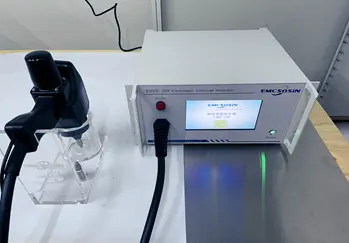 LVD and EMC Testing for Power Adapters
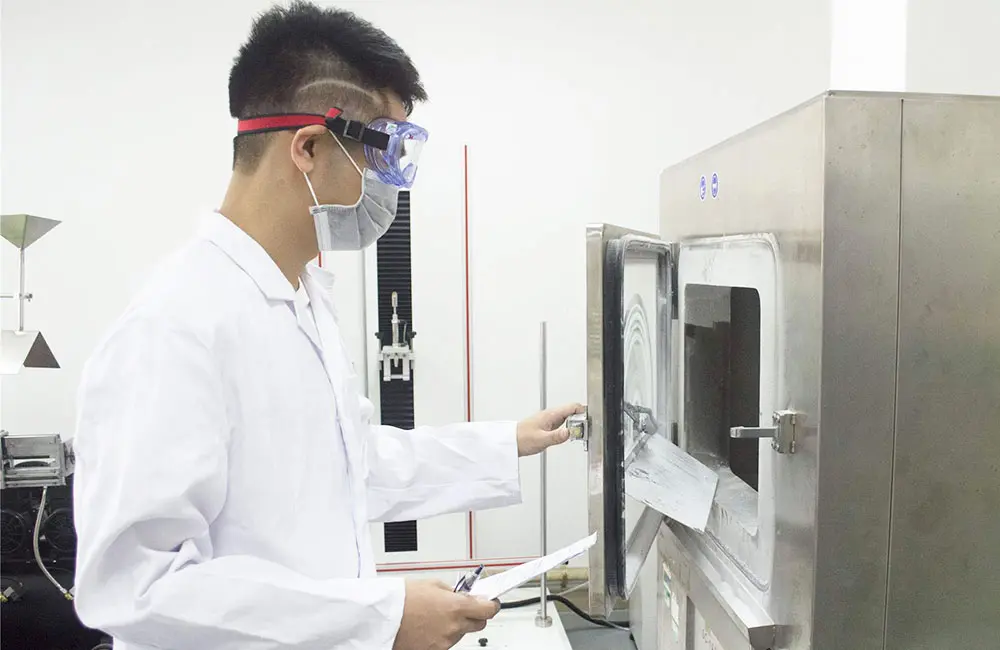 IEC 62133-2 Lithium Battery Testing Laboratory
Leave us a message
24-hour online customer service at any time to respond, so that you worry!