



What Is the ASTM D4316-95(2016) Hot Water Bottle Test?
European and American countries have established corresponding safety standards for hot water bottles. ASTM D4316-95(2016)is a standard issued by the American Society for Testing and Materials (ASTM), which specifies the requirements for molded, non-fabric-reinforced elastic water bottles with closures and screw stoppers.
It mainly addresses the product’s physical properties(such as material thickness), strength and leak resistance, as well as usage labelingrequirements.
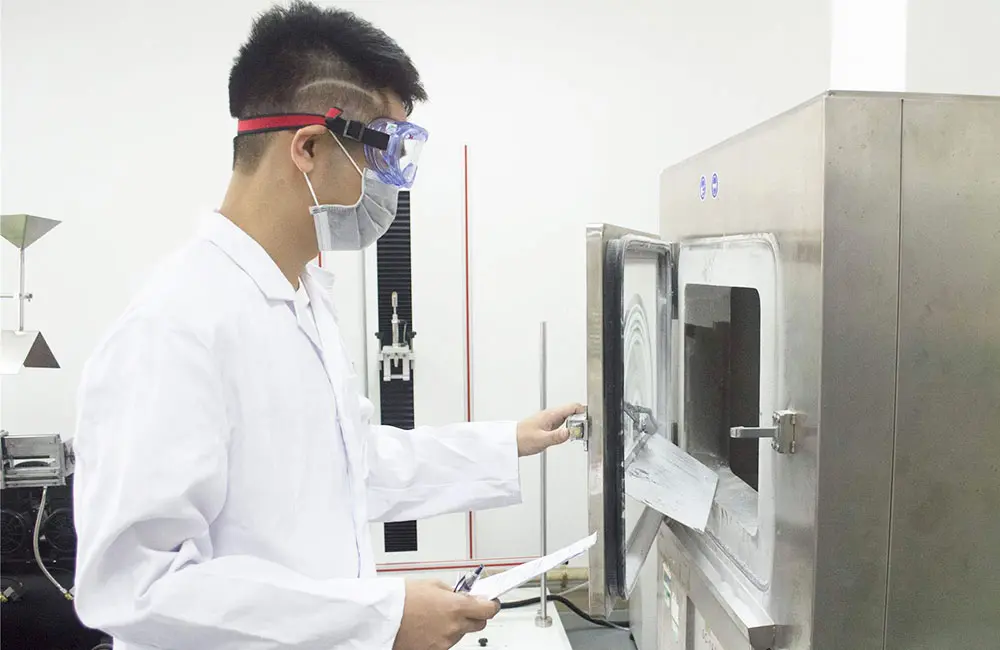
BS1970:2006is the internationally recognized British safety standardfor rubber and PVC hot water bottles, which has since been revised as BS 1970:2012.
To list hot water bottles on platforms such as Amazonor TEMU (U.S. site), compliance with the ASTM standard is required:
- ASTM D4316-95(2016)– Standard Specification for Elastic Hot Water Bottles.
This standard applies to hot or cold water bottles used for personal hygiene and healthcare purposes. It covers the safety and proper useof elastic water bottles, but does notinclude user instructions.
Filling Requirements:
1. The inner surfaceof the hot water bottle must not stick together or blockduring filling.
2. The bottle should be able to be filled to its recommended capacity within 30 seconds.
3. The minimum elongation at breakfor PVC materials is reduced from 200% to 150%.
Safety Instructions:
1. Do not overfillthe bottle, as this may cause it to burst.
2. Ensure the funnel is empty. If the bottle may come into prolonged contact with skin, a sufficient cover should be usedto prevent burns. The hot water bottle should never be used as a cushion or sat upon.
3. During storage, do not place any objects on topof the bottle.
4. Before use, inspect the bottle and stopperfor any signs of wear or damage.
ASTM D4316-95(2016) Certification and Testing Procedure:
1. Fill out the application form(including company information, etc.).
2. Review and sign the contract, then make payment(the contract is based on the application form).
3. Send samples(provide the tracking number for follow-up).
4. Official testingbegins.
5. Report confirmationphase.
6. Final official reportissued.
Email:hello@jjrlab.com
Write your message here and send it to us
 What is UL 1642 Compliance Certification?
 What Is Amazon's UL 60335 Standard
 How to get a UL 60335 Test Report
 What is UL 60335 Certification Compliance?
 What is EN 61000 Certification Compliance?
 How to get an EN 61000 Test Report?
 What is the Amazon EN 55035 Standard?
 What is EN 55035 Certification Compliance?
Leave us a message
24-hour online customer service at any time to respond, so that you worry!