



What is the EN 300440 Test Standard?
Practitioners dealing with EU wireless product compliance all know: the three core SRD (Short Range Device) wireless standards of CE-RED form a complete frequency band coverage system.
If EN 300220 regulates low-frequency devices below 1GHz, and EN 300328 is exclusively for 2.4GHz devices, then EN 300440 is the universal access standard covering high-frequency short-range devices across the full 1GHz to 40GHz frequency band.
It is the fallback mandatory harmonized standard for high-frequency short-range wireless devices in the EU, distinct from the dedicated 2.4G, 5G WiFi, and Bluetooth standards. A large number of high-frequency data transmission, microwave communication, and ISM high-frequency devices exported to the EU must comply with this standard.
Standard Introduction
Latest version of the standard: EN 300 440 V2.2.1
Official full name of the standard: Electromagnetic compatibility and Radio spectrum Matters (ERM); Short Range Devices (SRD); Radio equipment to be used in the 1 GHz to 40 GHz frequency range; Technical specifications and methods of measurement.
Standard Structure Division:
Part 1: Device technical characteristics, test methods, instrument specifications, and limit definitions (Basis for test execution).
Part 2: Harmonized standard for spectrum access, meeting the core requirements of Article 3.2 of the red directive (Basis for certification clearance).
Core Popular Interpretation:
EN 300440 is the EU's universal RF compliance standard for 1GHz to 40GHz high-frequency, short-range, low-power wireless devices. It is used to regulate non-dedicated standard, non-WiFi/Bluetooth high-frequency SRD devices, controlling core indicators such as transmission power, spectrum occupancy, out-of-band emissions, and spurious interference. It serves as the legal basis for CE-RED certification, customs clearance, and market spot checks for these types of products.
Standard Scope and Product Categories
1. Core Frequency Band Coverage
Dedicated frequency bands: All civil high-frequency ISM bands from 1GHz to 40GHz.
Mainstream common bands: 1.2GHz, 1.5GHz, 2.3GHz, 3.5GHz, 5.8GHz, 24GHz, high-frequency microwave bands, etc.
2. Full Coverage Product List
5.8GHz wireless image transmission devices, drone high-frequency video transmission modules.
High-frequency wireless data transmission, point-to-point short-range microwave communication devices.
High-frequency security radars, human body motion sensors, mobile detection sensors.
Industrial high-frequency remote controls, high-end RF wireless control terminals.
Short-range high-frequency networking devices, non-standard high-frequency wireless transceiver modules.
Various unlicensed short-range wireless transmitting devices above 1G and below 40G.
3. Explicitly Excluded Scope
2.4GHz WiFi/Bluetooth: Prioritize EN 300328; this standard does not apply.
Low-frequency devices below 1GHz: Execute EN 300220; this standard does not apply.
UWB (Ultra-Wideband) devices: Have dedicated standards; EN 300440 does not apply.
5G cellular, private network communication, and licensed band professional devices (these have dedicated industry standards).
4. Compliance Legal Effect
It is an official harmonised standard of the eu red directive. The test report can be directly used for CE certification registration, customs clearance, market supervision compliance spot checks, and compliance appeals.
Core Professional Terminology
EIRP (Equivalent Isotropically Radiated Power): The core control indicator for high-frequency devices, distinct from low-frequency ERP. It is the highest priority test item in this standard.
Peak Power / Average Power: High-frequency devices need to control both simultaneously to prevent instantaneous high-power interference with the spectrum.
Spectrum Mask: Defines the normal operating bandwidth boundary of the device, strictly controlling out-of-band spillover interference.
Out-of-Band Emissions: Radiated energy in adjacent channels outside the operating frequency band; a key focus of high-frequency device interference control.
Spurious Emissions: Full-band harmonics and parasitic RF leakage; a common cause for high-frequency failure during EU spot checks.
Frequency Stability: High-frequency devices have stricter requirements for frequency precision; a slight frequency offset can easily exceed limits.
EN 300440 Standard Structure
The entire set of standards features clear logic and a complete closed loop. The core architecture is as follows:
Scope of application, frequency band allocation, and device classification definitions.
Terminology and symbols, general test environment, and benchmark conditions.
RF emission limits for high-frequency devices (EIRP power, bandwidth, frequency offset).
Spectrum mask, channel occupancy, and out-of-band emission suppression requirements.
Full-band spurious emission and harmonic radiation limit specifications.
Receiver anti-interference, selectivity, and blocking performance requirements.
Test layout, instrument calibration, and device test mode specifications.
Multi-condition testing, data recording, and compliance judgment rules.
Appendix: Special device exemption clauses, test drawings, and calibration traceability requirements.
Mandatory Test Items
1. Maximum EIRP (Equivalent Isotropically Radiated Power) Test
Test Purpose: Control the maximum transmission power of high-frequency devices to avoid large-scale interference in high-frequency microwave bands.
Standard Core Logic: Power limits for high-frequency SRD devices are strictly graded by frequency band. Different GHz bands correspond to different EIRP upper limits to eliminate excessive high-power transmission.
Test Method: Maximum transmission at full load, 3-meter anechoic chamber radiation test, full-band peak + average power scanning.
2. Frequency Range and Frequency Tolerance Test
Test Purpose: Ensure the frequency stability of high-frequency devices and eliminate frequency offset, drift, and out-of-band transmission.
Standard Requirements: Frequency stability requirements for high-frequency devices are much higher than for low-frequency devices; a minimal frequency offset can result in a fail.
Applicable Products: High-frequency radar, microwave data transmission, fixed-frequency communication devices.
3. Channel Bandwidth and Spectrum Mask Test
Test Purpose: Regulate the spectrum occupancy form of high-frequency devices to prevent spectrum overflow and adjacent channel interference.
Core Requirements: Strictly match the standard spectrum mask template, ensure rapid attenuation of out-of-band energy, and prohibit ultra-wide occupation of spectrum resources.
4. Out-of-Band Emission Suppression Test
Test Focus: The item where high-frequency devices most easily exceed limits.
Test Range: Unwanted radiated energy in channels adjacent to or alternating with the operating channel.
Compliance Significance: Ensure the high-frequency coexistence of multiple devices and avoid mutual interference and communication failure among devices in the same frequency band.
5. Full-Band Spurious Emission Test
Test Content: Global harmonic radiation, parasitic radiation, and unwanted RF leakage of the whole machine.
Standard Characteristics: Stricter limits for high-frequency spurious emissions, full-domain frequency sweeping for both high and low frequencies, with no exemption intervals.
Industry Pain Points: Poor matching of high-frequency modules and antennas can easily lead to excessive spurious emissions.
6. Transmitter Duty Cycle and Timing Test
Control Logic: Limit the continuous transmission of high-frequency devices over long periods to reduce frequency band congestion and cumulative interference.
Differentiated Requirements: Relaxed for instantaneous trigger devices, but strict duty cycle limits for continuous microwave data transmission devices.
7. Receiver Performance Test
Includes adjacent channel selectivity, blocking suppression, and anti-interference capability tests. This ensures stable transmission and reception for high-frequency devices in complex electromagnetic environments, avoiding false triggering, packet loss, and disconnection.
8. Standby/Sleep RF Leakage Test
Covers all scenarios of standby, sleep, and weak wake-up, strictly controlling hidden high-frequency RF leakage in non-working states.
Laboratory Standardized Test Configuration
1. Environmental Conditions
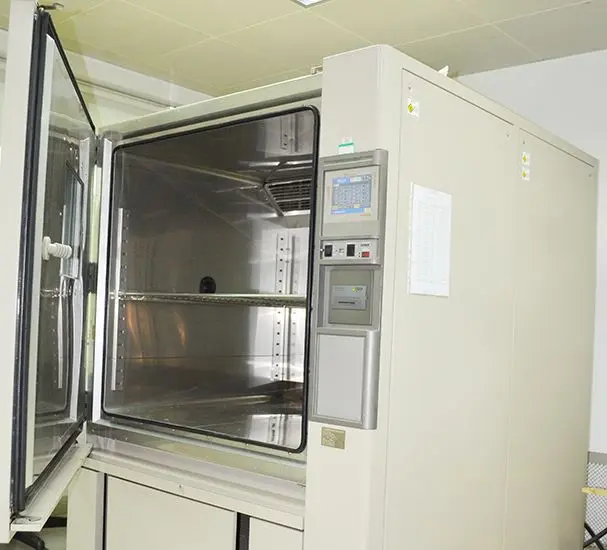
Temperature 15℃~35℃, humidity 20%~75%, standard normal pressure test environment with no external RF interference.
2. Core Test Instruments
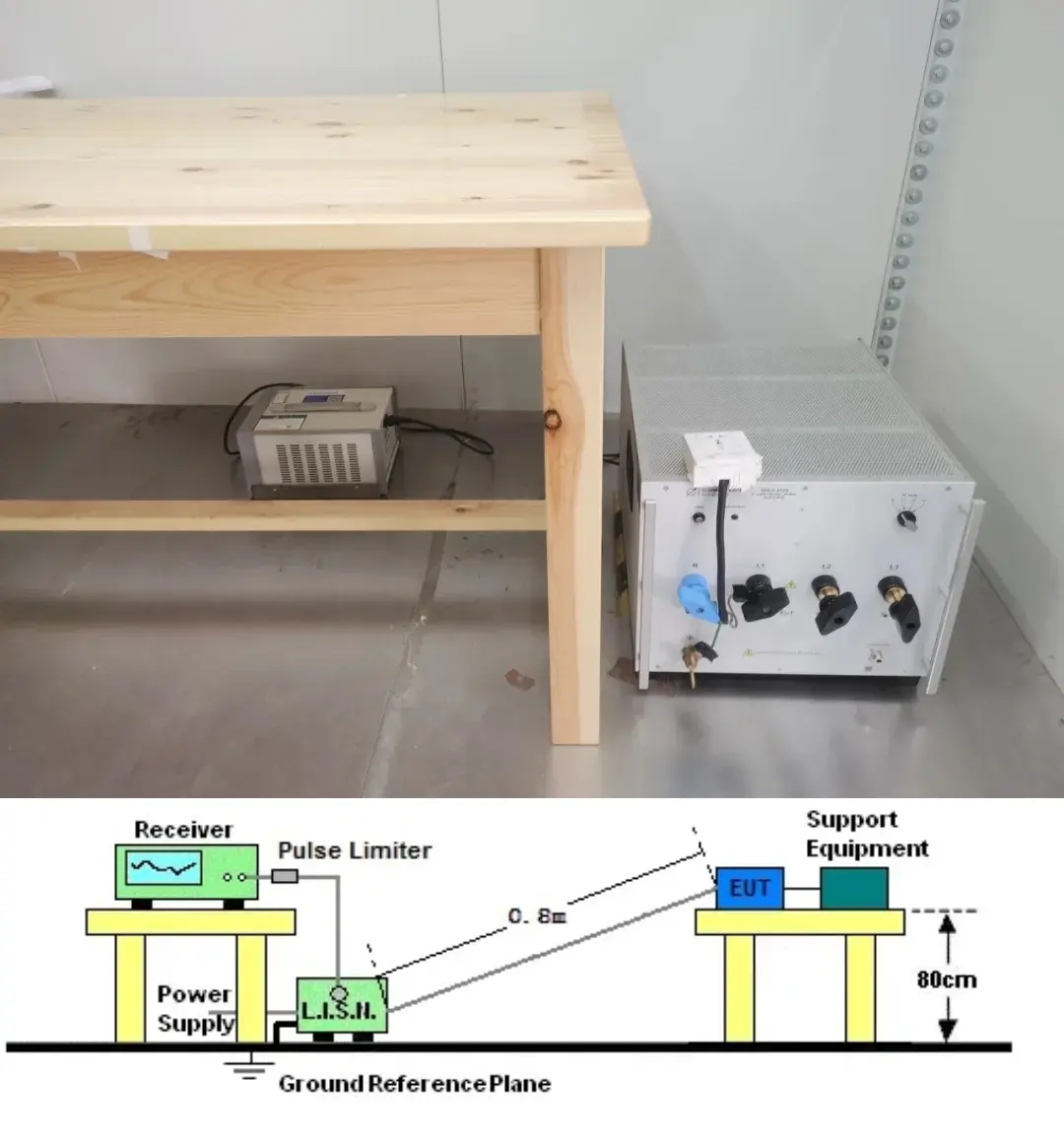
Electromagnetic radiation anechoic chamber, high-frequency spectrum analyzer, vector signal analyzer, standard microwave antenna, power meter, shielded test system.
3. Device Test Conditions
Full-load maximum transmission mode.
Normal actual transmitting and receiving working mode.
Low-power sleep and standby modes.
4. Calibration and Power Supply Requirements
Accurate calibration of high-frequency link loss, antenna gain, and distance loss must be completed before testing, with traceable data. Battery-powered devices require testing in both fully charged and half-charged states; adapter-powered devices are tested at rated voltage.
Enterprise Compliance Key Points
Strict Prohibition of Standard Mixing: Non-2.4G and non-5G high-frequency SRD devices above 1GHz must only use EN 300440. Applying the 300220 or 300328 standards is not allowed; otherwise, the certification will be invalid and customs clearance will fail.
Distinguish EIRP from ERP: This standard uses EIRP (Equivalent Isotropically Radiated Power) for judgment, which is distinct from low-frequency ERP parameters. The test limits and calculation methods are completely different, and mixing parameters for rectification is prohibited.
Mandatory Retesting for Product Changes: After high-frequency antenna replacement, power adjustments, RF circuit revisions, or firmware parameter modifications, a full retest across all items is mandatory.
Three Core Spot Check Items: Market supervision focuses heavily on verifying EIRP power, out-of-band suppression, and full-band spurious emissions.
Module and Complete Machine Compliance: After integrating a high-frequency module into a complete machine, it must be retested in its complete form. The module test report cannot be directly reused.
Zero Tolerance for High-Frequency Deviations: High-frequency devices have extremely stringent frequency stability requirements. A slight frequency offset will result in a fail. Pre-calibration must be performed in advance during the R&D stage.
Quick Distinction of the Three Major SRD Standards
After reading the three standards, one logical summary clarifies the EU wireless compliance system:
EN 300220: Low-frequency short-range devices below 1GHz (433M/868M, etc.).
EN 300328: Dedicated 2.4GHz WiFi/Bluetooth devices.
EN 300440: High-frequency non-standard short-range devices from 1GHz to 40GHz (5.8G image transmission, radar, microwave data transmission).
Full Text Summary
EN 300440 is the core fallback standard for EU high-frequency short-range wireless devices. It fills the compliance gap for non-dedicated standard wireless products above 1GHz and, together with 300220 and 300328, constitutes the EU SRD full-band RF access system.
For manufacturers of drones, high-frequency radar, microwave data transmission, and industrial high-frequency wireless devices, thoroughly understanding EN 300440's power limits, spectrum masks, and spurious control rules can effectively solve difficulties in high-frequency product certification and rectification. This avoids compliance risks when expanding overseas and significantly improves product pass rates and competitiveness in the EU market.
Email:hello@jjrlab.com
Write your message here and send it to us
 What is an EU SDS (Safety Data Sheet)?
 What is the CA Prop 65 Warning Label?
 2026 Amazon TIC Mandatory Audit Catalog
 Australian Electrical EESS and RCM Compliance
 How to get Vietnam CR Certification
 What is a UN 38.3 Battery Test Report
 What is the UN38.3 Certification Test?
 What is a Lithium Ion Battery Certification
Leave us a message
24-hour online customer service at any time to respond, so that you worry!