



What is the Japan PSE JIS C 62368-1:2020 Test
With the continuous development of the global electronic product trade, countries around the world have imposed increasingly stringent safety requirements on electrical and electronic products. As a key electronic product market in Asia, Japan’s PSE (Product Safety of Electrical Appliance & Materials) certification system has attracted widespread attention. This article provides an in-depth analysis of the JIS C 62368-1:2020 standard, a core component of Japan’s pse certification framework, to help relevant enterprises better understand and meet this certification requirement.
PSE certification is a vital market access system mandated by Japan’s Electrical Appliance and Material Safety Act, categorized into two types of marks: Diamond PSE and Circle PSE. As the latest general safety standard for electrical and electronic equipment, JIS C 62368-1:2020 was officially implemented on December 20, 2020, replacing the previous JIS C 60950-1 and JIS C 60065 standards.
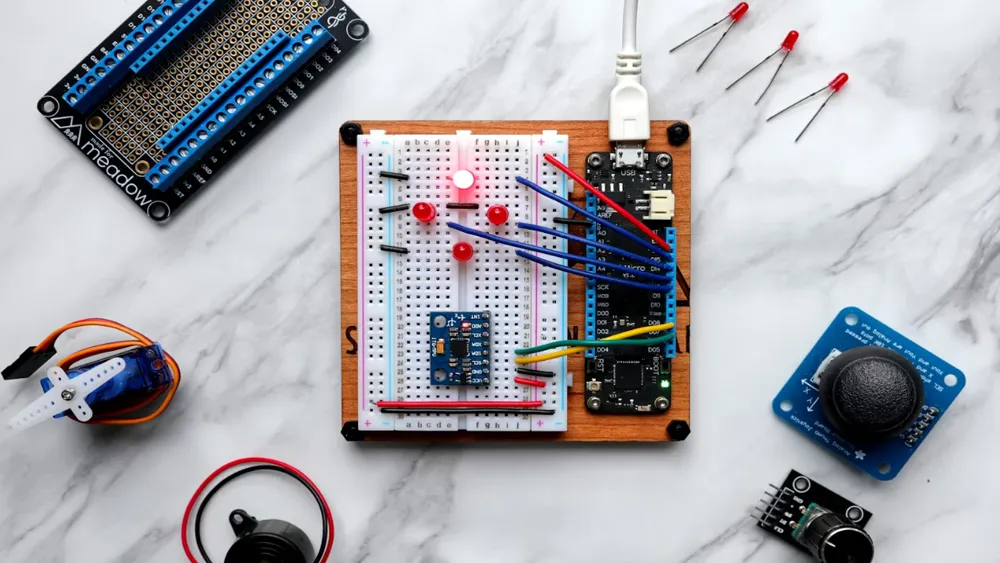
Formulated based on the international standard iec 62368-1, JIS C 62368-1:2020 adopts an innovative safety philosophy and assessment methodology. The standard applies to audio-visual, information technology, and communication technology equipment, as well as similar electrical and electronic devices with a rated voltage not exceeding 600V. Compared with the old standards, the most prominent feature of the new standard is the introduction of the "hazard protection" concept, which adopts a hazard-based safety engineering approach instead of the traditional experience-based safety standards.
Key Components of the Standard
The standard primarily covers the following critical sections:
1. Basic Safety Requirements: Including protection against electric shock, energy hazards, mechanical risks, etc.
2. Fire Protection Requirements: Specifications for different material classes and fire-resistant enclosures.
3. Radiation Protection: Covering safeguards against laser radiation, acoustic pressure, thermal burns, etc.
4. Chemical Hazard Protection: Such as battery safety and toxic substance emission control.
5. Safety Requirements Under Abnormal Operating Conditions
Key Test Items for Certification
For certification testing, JIS C 62368-1:2020 mandates the following critical test items:
① Insulation resistance test
② Withstand voltage test
③ Ground continuity test
④ Abnormal temperature rise test
⑤ Mechanical strength test
⑥ Fire-resistant material test
⑦ Energy source evaluation
Key Considerations for Enterprises Applying for PSE Certification
Enterprises need to pay special attention to the following aspects when applying for PSE certification:
1. Product Classification: Clarify whether the product falls under the Diamond PSE or Circle PSE category.
2. Standard Applicability: Confirm if the product complies with JIS C 62368-1:2020.
3. Test Preparation: Prepare complete product samples and technical documentation.
4. Factory Inspection: Diamond PSE certification requires on-site factory inspection.
5. Marking Compliance: Correctly use the pse mark after obtaining certification.
For products already certified under the old standards, Japan’s Ministry of Economy, Trade and Industry (METI) has granted a 3-year transition period. Since December 20, 2023, all relevant products must comply with the requirements of JIS C 62368-1:2020. Therefore, enterprises should initiate the standard conversion process as early as possible to avoid disruptions to product sales in the Japanese market.
Common Challenges in the Certification Process
Enterprises often face the following challenges during the actual certification process:
1. Insufficient understanding of the differences between old and new standards.
2. Increased costs due to additional test items.
3. Difficulty in verifying the certification status of key components.
4. Stringent requirements for preparing Japanese technical documentation.
Recommendations for Smooth Certification
To successfully pass the certification, enterprises are advised to take the following measures:
① Conduct pre-assessment of products in advance.
② Collaborate with experienced certification bodies.
③ Establish a comprehensive quality management system.
④ Maintain effective communication with certification bodies.
As Japan’s safety requirements for electronic products continue to rise, the implementation of JIS C 62368-1:2020 will drive enterprises to enhance their product safety design capabilities. For Chinese electrical and electronic product exporters, a thorough understanding of this standard and the establishment of a sound product safety management system will be the key to tapping into the Japanese market.
Email:hello@jjrlab.com
Write your message here and send it to us
 What is Amazon Toy Compliance?
 What is Cytotoxicity ISO 10993-5
 What is Hemocompatibility Testing ISO 10993?
 What is ISO 10993-5 Tests for In Vitro Cytotoxicit
Electronic Product IEC 62368-1 Safety Testing
What is ISO 10993-5 Tests for In Vitro Cytotoxicit
Electronic Product IEC 62368-1 Safety Testing
 What is an EU SDS (Safety Data Sheet)?
 What is the CA Prop 65 Warning Label?
 2026 Amazon TIC Mandatory Audit Catalog
Leave us a message
24-hour online customer service at any time to respond, so that you worry!