



Wireless Certification NCC Process in Taiwan
NCC stands for the National Communications Commission of Taiwan, which primarily regulates communication and information devices circulating and used in the Taiwanese market.
Categories:
1. LPE (Low Power Equipment): Devices like Bluetooth and Wi-Fi.
2. TTE (Telecommunications Terminal Equipment): Devices like mobile phones and tablets.
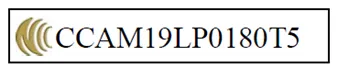
Scope of NCC Certification Products:
1. Low Power Radio Frequency Devices operating between 9 kHz and 300 GHz, such as:
- Wireless network (WLAN) products (including IEEE 802.11a/b/g),
- UNII, Bluetooth products, RFID, ZigBee, wireless keyboards, mice, headphones, walkie-talkies, remote-controlled toys, alarms, etc.
2. Public Switched Telephone Network (PSTN) Devices, such as:
- Wired telephones (including VOIP), alarm systems, answering machines, fax machines, remote controls, phone systems, data devices (ADSL), caller ID terminals, 2.4 GHz RF telecommunication devices, etc.
3. Public Land Mobile Network (PLMN) Devices, such as:
- WiMAX mobile terminal devices, GSM 900/DCS 1800 phones (2G phones), and 3G mobile communication devices.
NCC Certification Standards Revision:
- LP0002: Revised on January 10, 2018. Only requires EMC and RF testing, SAR assessment is not needed, except for mobile communication devices.
NCC Certification Label Requirements:
1. The label must be affixed or imprinted on the device body, with no specific size requirements, as long as it is clear.
2. The NCC logo and certification number must be attached to the product and should be single-colored, clear, and easy to identify.
NCC Application Documentation Requirements:
1. Application Form (signed and stamped by the applicant):
- Information can be in Traditional Chinese or English. The company name and address must match the business license, and the form must be submitted within two weeks of the signed date.
2. Authorization Letter (signed and stamped by the applicant):
- Information can be in Traditional Chinese or English.
3. Business License:
- The applicant's business license must match the company name on the application form and report.
4. Product Specification Sheet:
- RF specifications filled out based on the template provided.
5. Antenna Specification Sheet:
- Provided by the client, including the brand and model of the antenna.
6. Block Diagram or Circuit Diagram:
- Must include product brand, model, and RF IC information.
7. User Manual:
- Must include product brand, model, and NCC warning information in Traditional Chinese or English.
8. External Photos of the Product:
- Antenna and label positions must be indicated.
9. Internal Photos of the Product:
- RF chip brand and model must be indicated.
10. Test Report:
- MPE assessment report is required for devices with power greater than 13 dBm.
11. OEM Agreement (if applicable):
- Required when the applicant is not a Taiwanese company and the manufacturer differs from the applicant.
Important Notes:
1. Taiwanese applicants are no longer required to provide a radio business license for NCC applications, but this is still needed for customs clearance.
2. Paper documents no longer need to be mailed to Taiwanese labs.
fcc id to NCC Certification:
Since July 2017, six products can directly convert from fcc to NCC certification without testing:
- Bluetooth mouse, keyboard, headset, selfie stick, stylus, and Bluetooth speakers (only with DC power supply).
Note: Products with complex functionalities (multiple wireless technologies) cannot use this process. TWS is not included in the catalog.
Email:hello@jjrlab.com
Write your message here and send it to us
 What are the FCC Testing Requirements for Bluetoot
 Australia RCM Certification for Radio Devices
 RED Cybersecurity EN 18031 Standard
 Compliance Testing for EMC
 What is Amazon Toy Compliance?
 What is Cytotoxicity ISO 10993-5
 What is Hemocompatibility Testing ISO 10993?
 What is ISO 10993-5 Tests for In Vitro Cytotoxicit
Leave us a message
24-hour online customer service at any time to respond, so that you worry!