



Wound Dressing Registration and Testing Services
As medical devices, dressing products are subject to strict testing standards and requirements. These standards cover a wide range of aspects, ensuring the safety and efficacy of the products. In practical application, different types of dressings (such as surgical dressings, wound dressings, antimicrobial dressings, etc.) may have specific standards and requirements. Manufacturers and relevant institutions must design, produce, test, and regulate their products in accordance with the relevant regulations and standards of the country or region in which they operate.
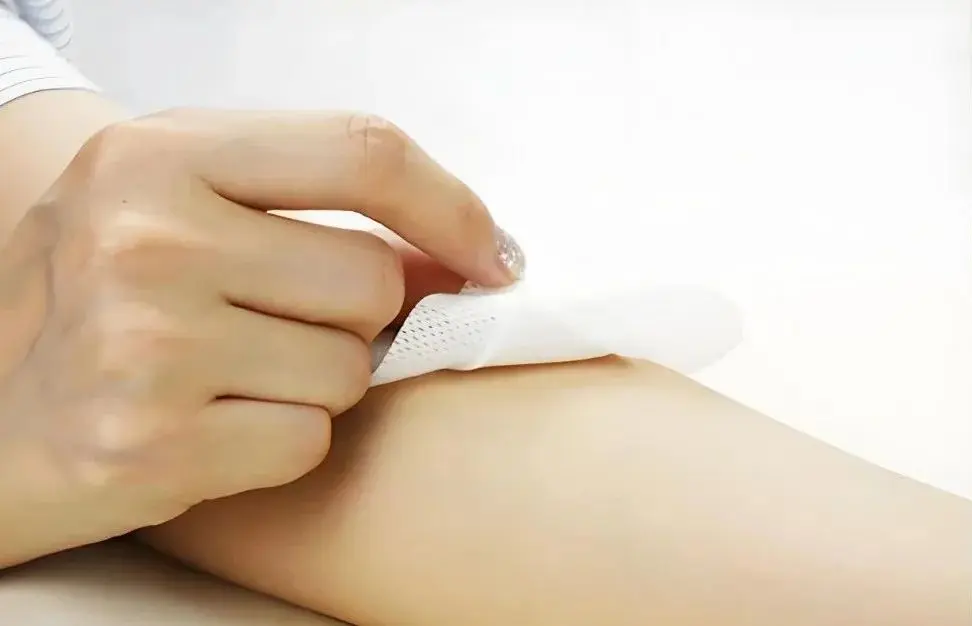
Standards for Dressing Product (Medical Device) Testing
The standards for testing dressing products (medical devices) may vary by country and region. Common international and domestic standards cover various aspects of dressing products, including safety, efficacy, performance, and their impact on the human body.
International Standards
- ISO 13485: Medical device quality management systems standard, applicable to the design and manufacturing process of all medical devices.
- ISO 10993: Biological evaluation standard, stipulates the biocompatibility testing of medical devices, including skin-contact products.
- ISO 14644: Standards for cleanrooms and controlled environments, some dressing products require compliance with cleanroom conditions during production.
- ISO 13795: Performance testing standard for surgical dressings, evaluating the quality, performance, and safety of surgical dressings.
- ISO 18113: Medical device labeling standard, stipulates labeling requirements for medical devices, especially for dressing products.
Domestic Standards
- GB/T 16886 Series: A series of standards for the biological compatibility assessment of medical devices, including tests for cell toxicity, skin sensitization, skin irritation, acute systemic toxicity, and pyrogenicity for dressing products.
- YY/T 0148: Applicable to classification and testing of medical dressing products, including packaging, sterilization, and microbial load requirements.
- YY/T 0313: Standards for surgical dressings, involving antibacterial properties, hypoallergenicity, moisture absorption, etc.
- YY 0668: Sterilization requirements and testing standards for wound dressings.
- GB 15979: Standards related to disposable hygiene products, some types of dressing products may be subject to this standard.
Testing Items for Dressing Products (Medical Devices)
The testing of dressing products primarily includes the following aspects:
1. biocompatibility Testing
- Skin hypersensitivity and local irritation tests
- Skin contact reaction tests
- Acute toxicity tests, etc.
2. Physical Performance Testing
- Moisture absorption: Evaluates the dressing’s ability to absorb moisture in a humid environment.
- Breathability: Assesses whether the dressing allows adequate airflow to prevent oxygen restriction at the wound.
- Tensile strength: Tests the mechanical strength of the dressing in application.
- Extensibility and elasticity: Ensures the dressing adapts to various wound sizes and shapes.
3. Microbiological Testing
- Antibacterial/antimicrobial properties: Tests the dressing’s ability to inhibit bacterial growth and prevent infection.
- Sterility: Ensures the dressing is sterile before use.
- Microbial load: Ensures there is no excessive contamination during production and packaging.
4. Packaging and Storage Requirements
- Sterilization and packaging: Evaluates the sterilization method (e.g., ethylene oxide sterilization, γ-ray sterilization) and the conformity of packaging materials.
- Shelf-life testing: Assesses whether the product retains its performance within the effective period.
5. Safety Testing
- Toxicity tests: Determines the content of relevant active ingredients and performs transdermal tests.
- Visual inspection: Ensures the dressing is not damaged, deformed, or contaminated.
Common Testing Methods
- Physical Testing: Includes tensile tests, water absorption, abrasion resistance, and other assessments.
- Microbiological Testing: Uses culture methods, PCR, etc., to detect bacteria or pathogenic microorganisms.
- Chemical Testing: Analyzes the material composition of the dressing and checks for harmful substances (e.g., heavy metals, residual solvents).
- Clinical Trials: Certain new dressing products may require clinical validation.
Types of Dressing Products (Medical Devices)
Wound dressings play a crucial role in wound management. With the continuous innovation in wound dressing products, clinicians may be confused about how to choose the appropriate dressing. This article discusses common dressing types, their main components, mechanisms of action, applicable scopes, advantages, and disadvantages based on clinical case studies.
Traditional Dressings
- Main Components: Made of cotton or synthetic fibers, such as gauze, cotton pads, bandages, etc. These are categorized into coarse gauze and fine gauze.
- Mechanism: These dressings have no significant effect on wound healing and are thus called inert dressings.
Hydrogel Dressings
- Main Components: Pure water (70%–90%), carboxymethyl cellulose, and other additives.
- Mechanism: These dressings rely on collagenase enzymes from the wound exudate to degrade necrotic tissue, achieving autolytic debridement in a moist environment.
Alginate Dressings
- Main Components: Sodium carboxymethyl cellulose, calcium alginate, a natural fiber dressing extracted from seaweed.
- Mechanism:
- The sodium ions in the wound exudate and moisture exchange ions with calcium ions in the dressing, turning the calcium alginate into a gel, providing a moist healing environment, promoting cell proliferation, and accelerating healing.
- Macrophages are activated by the gel and alginate fibers to remove infected tissue and crust.
- Promotes the release of growth factors to stimulate fibroblast/keratinocyte proliferation for faster healing.
- Ion exchange between sodium and calcium helps with hemostasis and stabilizing the biofilm, stimulating platelet adhesion/aggregation, and activating intrinsic coagulation factors to stop bleeding.
Hydrocolloid Dressings
- Main Components: An elastic polymer hydrogel mixed with synthetic rubber and adhesive materials. The most common gel is carboxymethylcellulose, which can adhere firmly to the skin around the wound and swell up to 12 times when absorbing exudate.
- Mechanism:
- Hydrocolloid dressings contain endogenous enzymes that promote the dissolution of fibrin and necrotic tissue.
- Activate neutrophils and macrophages, effectively performing debridement.
- Hydrophilic particles form a gel membrane with water, providing a moist environment, reducing pain, and preventing damage to new tissue.
Foam Dressings
- Main Components: Composed of polyurethane and polyvinyl alcohol foam.
- Mechanism:
- The material is porous and absorbs large amounts of exudate, providing a moist, warm, and sealed environment for wound healing.
- It is almost completely permeable to oxygen and carbon dioxide, making it suitable as a drug carrier.
Silver Ion Dressings
- Main Components: A new broad-spectrum antimicrobial dressing made from polyurethane foam, sodium carboxymethyl cellulose, and silver, which kills bacteria quickly and releases low concentrations of silver ions continuously.
- Mechanism:
- The positively charged silver ions are highly toxic to microorganisms, fungi, and some viruses, inhibiting their growth and exerting antibacterial effects.
- Silver ions interfere with bacterial cell wall protein synthesis, prevent DNA division, and disrupt bacterial respiratory energy chain synthesis, causing bacterial cell walls to rupture and die. Antibacterial efficacy lasts for 3–7 days.
Silicone Foam Dressings
- Main Components: Sterile polyurethane foam dressing with a silicone adhesive, offering absorbency and self-adhesiveness.
- Mechanism:
- The foam structure’s unique 3D dendritic foam design absorbs fluid vertically and adheres closely to the wound bed.
- Superior exudate management capability with SAP (Super Absorbent Polymer) locking technology to securely lock in exudate.
- The silicone layer is skin-friendly and adheres safely to the skin.
- Features a three-piece non-contact protective film.
It is important to note that when selecting and applying wound dressings, one must understand the principle that no single dressing is suitable for all wounds. Different types of dressings are needed at different stages of wound healing. When choosing a dressing, factors such as safety, efficacy, ease of use, and cost-effectiveness should be comprehensively considered to achieve the best results. In clinical practice, dressing selection should be personalized, dynamically chosen, and used in combination to ensure the most effective treatment outcomes for patients.
Email:hello@jjrlab.com
Write your message here and send it to us
 What is the ASTM F2264 Certification Test?
 What is ASTM F2194 Certification Testing?
 What is the ASTM F2167 Certification Test?
 What is the ASTM F2050 Certification Test?
 What is ASTM F1967 Certification Testing? How to g
 What is the ASTM F1917 Certification Test?
 How to get ASTM F1821 Certification
 What is the ASTM F1821 Testing Standard?
Leave us a message
24-hour online customer service at any time to respond, so that you worry!