



WPC Certification for Importing Wireless Devices into India
Core Explanation of WPC Certification
The Wireless Planning and Coordination (WPC) Wing of the Department of Telecommunications (DoT) is responsible for issuing wpc certificates, which are mandatory authorizations required for importing wireless devices into India. This certificate ensures that all imported wireless devices operate only within the government-approved license-exempt frequency bands and comply with India's Radio Frequency (RF) regulations.
Importing RF-based devices into India without this certification is illegal, including wireless microphones, Bluetooth devices, Wi-Fi routers, smart home appliances, and other related equipment.
Equipment Type Approval (ETA) is a key step in the WPC certification process. RF modules of devices must be tested in NABL-accredited laboratories to verify compliance with technical requirements such as frequency range, output power, and safety standards. If a device is equipped with a pre-approved RF module, extensive laboratory testing is not required, and the process can be completed through document review only.
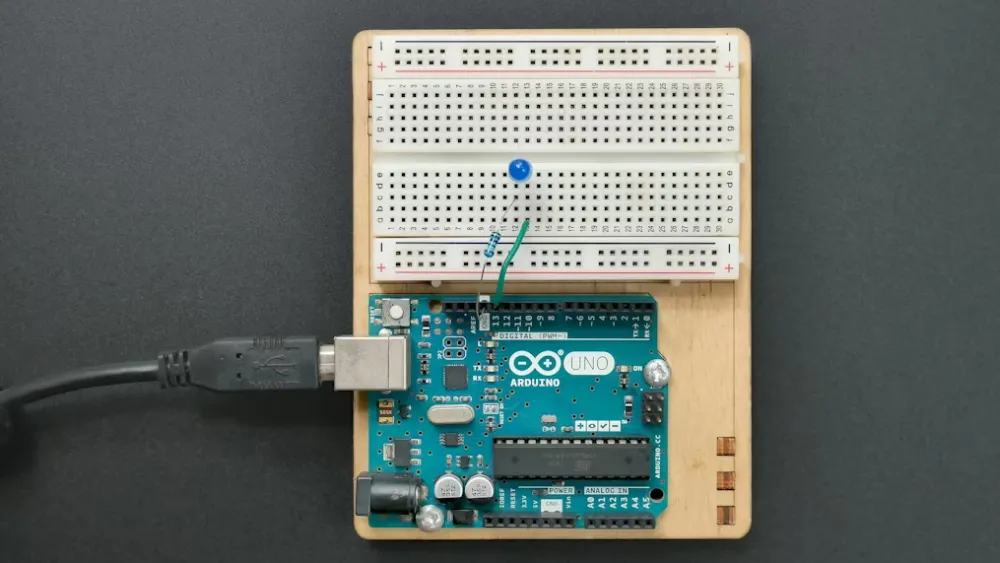
Understanding WPC-ETA Certification for Wireless Devices
WPC, short for Wireless Planning and Coordination, was established in 1952 as a wing of the Ministry of Communications, responsible for spectrum management. Headquartered in New Delhi, WPC has regional branches in Mumbai, Chennai, Kolkata, and Guwahati.
As a subsidiary of the Ministry of Communications and Information Technology, the core responsibilities of the WPC Wing include: spectrum allocation, issuing amateur radio licenses, organizing examinations, monitoring radio waves, and granting wireless certifications (e.g., WPC ETA certificates).
List of Products Requiring WPC License for Import into India
All wireless devices with Wi-Fi, Bluetooth, or ZigBee functions imported into India must obtain a WPC import license. In India, all devices with the aforementioned wireless functions are required to pass WPC certification.
How to Apply for a WPC License
Step 1: Register on the WPC Online Portal
Submit an online application on the Saral Sanchar portal, specifying the goods to be imported. A system-generated import ID will be issued upon submission.
Step 2: Click "Apply for New ETA"
When applying for a new Electronic Temporary Authorization (ETA), a self-declaration for each product to be exported is required. Check whether the device is an exempted product not requiring ETA approval using the import ID. For different RF devices, the query can be made by entering the ID and verification code.
Step 3: Obtain RF Test Report
An RF test report issued by an accredited laboratory is a mandatory requirement for obtaining ETA approval and WPC license registration, which is used to verify that imported devices comply with the specified frequency range and safety standards.
2021 New Regulation: Only RF test reports issued by locally accredited laboratories in India are accepted (foreign reports were acceptable previously).
① No factory inspection is required for WPC license.
② WPC ETA certificates are only issued if the radio frequency of the device stated in the RF test report complies with the WPC Mandatory Product Standards List.
Step 4: Submit WPC Application
After meeting all requirements, submit the application for WPC approval of the imported devices.
Step 5: Submit Required Documents
Prepare the documents required for WPC certificate registration and submit them to WPC both online and offline. The documents will be reviewed by WPC officials.
Step 6: Pay Government Fees
Pay the government fees for WPC registration online via debit card/credit card or e-wallet.
Step 7: Issuance of WPC Certificate
Upon successful verification of documents, WPC will issue the WPC certificate for the specific device. After obtaining the license, the importer can legally import wireless devices into India.
WPC Certificate Fees
Fee Item | Amount (INR) |
Government Fee | 10,000 |
Professional Agency Service Fee | 7,000-12,000 (varies by consultant) |
Other Fees | 1,000 |
Total Cost | 10,000 and above (subject to actual expenses) |
Processing Time
If the RF test report is ready, the entire process takes 5-7 working days.
Documents Required for WPC Registration
1. Company Registration Certificate
2. Goods and Services Tax (GST) Registration Certificate
3. Import Export Code (IEC) Certificate
4. Purchase Order (PO) for the imported devices
5. Online Payment Receipt
6. Address Proof of the Applicant Entity
7. RF Test Report issued by an ISO-certified foreign laboratory or a NABL-accredited laboratory
8. Letter of Authorization
9. Product Technical Specifications
Types of WPC Certification
1. Importer License
Issued by India's WPC to importers of wireless products. Holders of this license are authorized to sell wireless devices imported from abroad.
2. Equipment Type Approval (ETA)
Any wireless device operating within the license-exempt frequency range must obtain ETA certification before being imported into India; every relevant product manufactured domestically in India also requires this certificate.
Covered Products: Radio Frequency Identification (RFID) devices, mobile phones, Wi-Fi devices, Bluetooth devices, etc.
3. Network License
Organizations intending to provide communication services such as mobile networks, cable TV, and direct-to-home (DTH) satellite services using the country's restricted radio frequency capacity must obtain this license.
Eligible Entities for WPC ETA Certification
1. Foreign Manufacturers
Foreign manufacturers of wireless devices without branches in India are required to apply through a designated Authorized Indian Representative (AIR).
2. Domestic Manufacturers
Manufacturers with branches in India can apply directly without appointing an Authorized Indian Representative.
3. Wireless Device Importers
Must obtain a separate import license for wireless devices.
Email:hello@jjrlab.com
Write your message here and send it to us
 What is LFGB Certification Meaning
 EU Food Contact Materials (FCM) EC 1935/2004 Stand
 LFGB Germany Food Contact Materials Official
 Australia & New Zealand RCM Registration Requi
 Japan MIC Wireless Certification Testing
 Canada RSS-247 Testing Lab
 LVD and EMC Testing for Power Adapters
 IEC 62133-2 Lithium Battery Testing Laboratory
Leave us a message
24-hour online customer service at any time to respond, so that you worry!