



CPSC eFiling Requirements
According to CPSC regulations, starting July 8, 2026, all consumer products under its jurisdiction must complete electronic filing (eFiling) prior to US customs clearance. Upon implementation, submitting paper certificates or electronic copy certificates along with shipments will no longer be accepted.
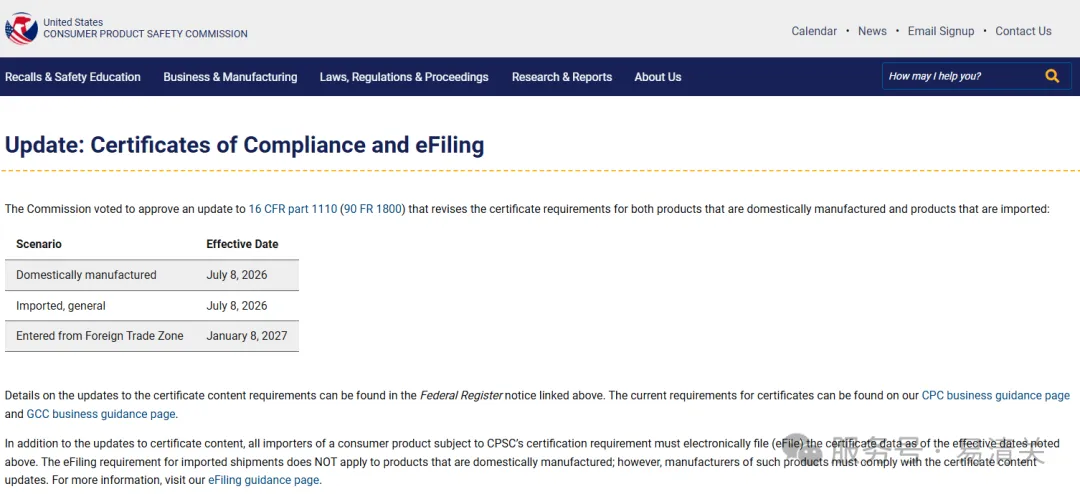
Regulated Product Categories
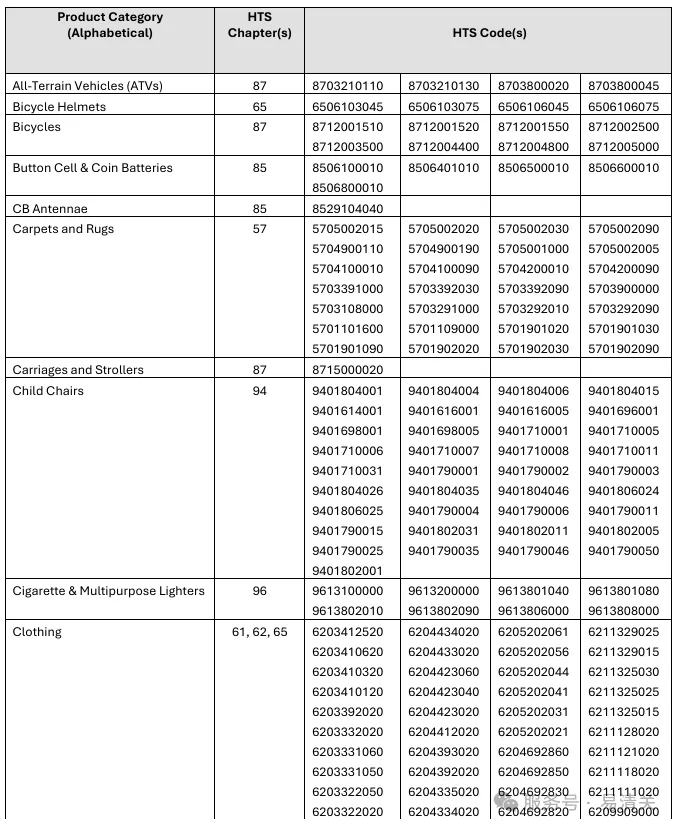
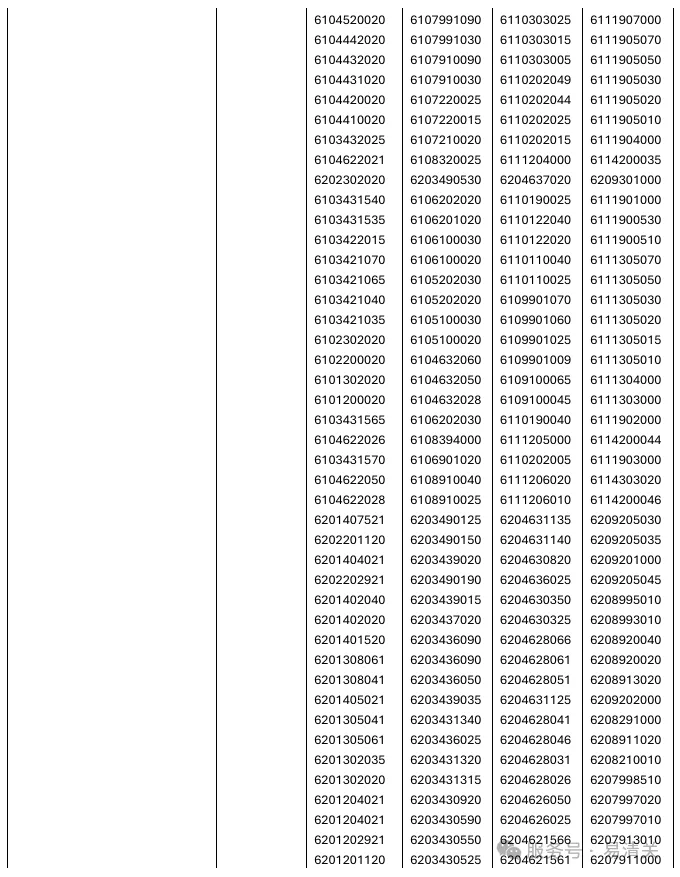
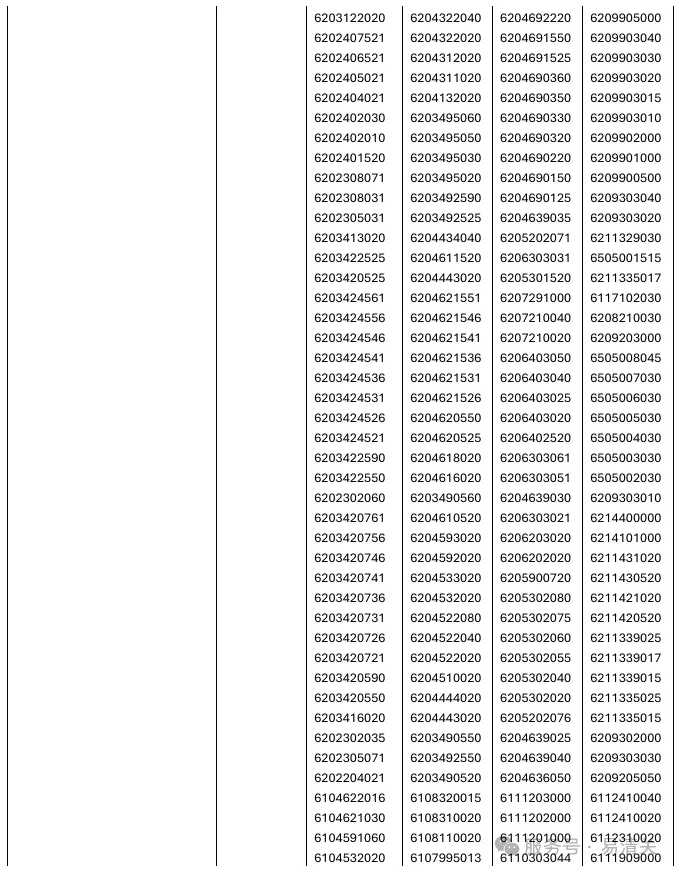
In the guidance document released in April 2026, CPSC specified that approximately 600 HTS codes are included under regulatory scope, mainly covering the following categories:
1.Apparel and Textiles: Children's clothing, adult clothing, footwear, hats, home textiles, etc.
2.Toys and Children's Products: Children's toys, infant and toddler products, children's furniture, school supplies, pacifiers, etc.
3.Electrical and Household Appliances: Small household appliances, lighting fixtures, furniture, carpets, mattresses, curtains, etc.
4.Sports and Outdoor Goods: Bicycles, sports equipment, all-terrain vehicles (ATVs), etc.
5.Other Regulated Categories: Such as certain cosmetics, fireworks, bicycle helmets, etc.
The above represents the list of approximately 600 HTS codes published by the CPSC. Products with codes on the list must submit electronic filings as required.
Special Note: Not being covered on the list does not equal exemption. Any product subject to CPSC safety standards that requires a CPC or gcc certificate—regardless of whether its code is on the list—must complete electronic filing.
Data Required for Filing
Prior to customs entry declaration, sellers must prepare seven core data elements in advance. These data elements all originate from product compliance certificates and must be authentic, accurate, and complete, specifically including:
1.Product ID (Unique Product Identifier): Model number, SKU, UPC, GTIN, etc.
2.Citation Codes (Compliance Standard Codes): US regulations/standards applicable to the product.
3.Manufacture Date: Month and year.
4.Manufacture Place: City + Country (e.g., Shenzhen, China).
5.Test Date: Date of the most recent compliance testing.
6.Testing Laboratory: CPSC-accepted laboratory name + ID number.
7.Point of Contact: Name, phone number, and email of the responsible person at the US importer.
Official Filing Methods
Reference PGA Message Set
Pre-enter certificate data into the CPSC Product Registry system in advance; only 3 identifiers need to be submitted during customs clearance.
Applicable Scope: This is the most suitable path for long-term sellers.
Required Data:
1.Certifier ID
2.Product ID
3.Version ID
Full PGA Message Set
Directly submit complete compliance certificate data during each customs clearance.
Applicable Scope: Suitable for small-volume imports, non-repeat products, or temporary/low-frequency projects.
Required Data:
1.Product ID
2.Citation Codes / Applicable Regulations
3.Date of Manufacture
4.Place of Manufacture
5.Product Test Date
6.Testing Laboratory
7.Point of Contact
Action Recommendations
1. Immediately Self-Check Product Classification
Log into the Regulatory Robot tool on the CPSC official website to self-check whether products are regulated by the CPSC. For high-risk categories such as 3C electronics and toys, pay special attention to HTS flagging status.
2. Complete Product Testing and Certification
If you do not yet have a CPC or gcc certificate, contact a qualified third-party testing laboratory as soon as possible. Ensure certificate information is up to date.
3. Prepare the Seven Data Elements in Advance
Ensure the 7 data elements are completely consistent with product models, labels, packaging, and test reports.
4. Connect with and Test Filing Channels
CPSC is currently in the voluntary filing phase. Establish eFiling data transmission workflows with your customs broker in advance and complete testing. Errors made during the voluntary phase will not be counted toward your risk score.
Frequently Asked Questions (FAQ)
If electronic filing is not completed as required, will US Customs reject entry of the goods?
A1: CPSC and CBP have the authority to request detention, inspection, or even refusal of entry for shipments. Multiple violations may result in higher inspection frequencies or being blacklisted.
If a product is not in the list of 600 HTS codes, does it mean filing is not required?
A2: Not necessarily. As long as the product is regulated by any mandatory CPSC standard, electronic filing is required.
If products are already being sold, is supplementary filing required after the new rule takes effect?
A3: Goods newly arriving at port after July 8 require electronic filing; existing inventory already in warehouses will not be retroactively affected.
When will the full implementation of electronic filing take place?
A4: According to the CPSC final rule, requirements affecting most imported consumer products will take effect on July 8, 2026. Requirements affecting consumer products imported into Foreign Trade Zones (FTZs) and subsequently withdrawn for consumption or warehousing will take effect on January 8, 2027.
Will participating in the voluntary eFiling phase or making errors in voluntary certificate data submissions affect risk scores or cause shipping delays?
A5: Although shipments remain subject to routine CPSC inspection procedures, participating in the voluntary eFiling phase and errors occurring during voluntary certificate data submissions will not impact importer risk scores nor lead to shipment delays.
Email:hello@jjrlab.com
Write your message here and send it to us
CPSC eFiling Requirements
 Temu 2027 Children's Products and Textiles Complia
 What Compliance is Required for Exporting Adult Cl
 European Regulation PPWR Testing Services
 Squishy Toy Western Compliance Guidelines
 GB 4806.10-2025 Food Contact Coatings Testing
 Amazon Children's Jewelry DV Program Recognized TI
What is the Amazon Toy TIC Audit?
Leave us a message
24-hour online customer service at any time to respond, so that you worry!