



Amazon Bluetooth Earphone Certification Guide
Mandatory Requirements for All Marketplaces
1. BQB (Bluetooth Certification)
Mandatory: Required if your product bears the Bluetooth logo or uses the word "Bluetooth".
Purpose: Bluetooth trademark authorization, SIG compliance, and prevention of infringement complaints.
Result: QDID number (can be filled out in the Amazon backend; frequently checked by Amazon).
Cost-Saving Tip: Use a Bluetooth module that has already passed BQB → The complete device only needs a Listing, with no retesting required.
2. Lithium Battery Transportation: UN38.3
Mandatory: Bluetooth earphones contain lithium batteries, making this a mandatory check for air freight / FBA.
Content: Battery safety testing and air transport compliance.
Purpose: Ensures logistics providers do not reject the shipment and allows entry into FBA warehouses.
3. Battery Safety Standards: ul1642 / IEC62133
Target: Built-in lithium batteries in earphones.
Note: Amazon conducts high-frequency spot checks; listings without this certification face direct removal.
US Marketplace (Amazon.com)
1. fcc id (The Core Requirement; missing it leads to direct removal)
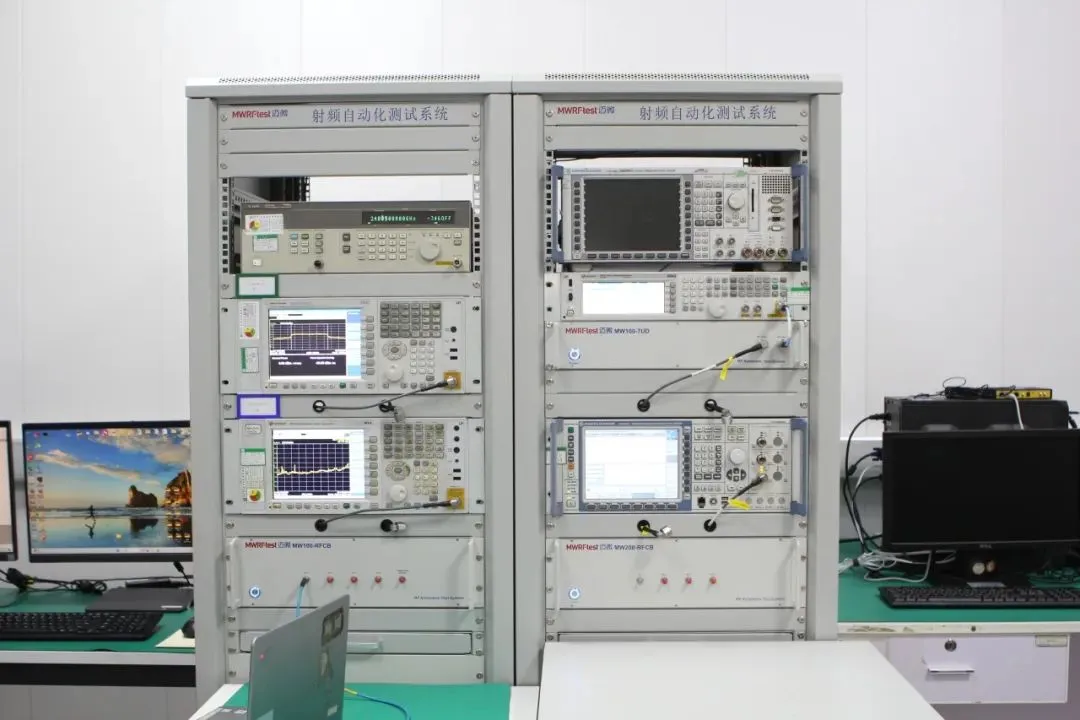
Standard: fcc part 15B (EMC) + Part 15C (Bluetooth RF).
Rule: Bluetooth earphones = Intentional emitting devices → FCC ID is mandatory; sdoc cannot be used.
Testing: RF power, frequency, spurious emissions, SAR (mandatory testing for devices worn close to the human body).
Special Case: If the left and right ear circuits are different → 2 separate FCC IDs are required.
Labeling: The product body, outer packaging, and user manual must all be printed with: FCC ID: XXXXXXXX.
2. Complete Device Safety Standards: UL62368 / UL60335
Coverage: Charging case overcharging, fire prevention, and electrical safety.
3. California Proposition 65 (Prop 65)
Testing: Lead, phthalates, and carcinogens.
Purpose: To avoid consumer class-action lawsuits.
4. DOE Energy Efficiency (2025 New Rule, currently mandatory)
Applicability: Bluetooth earphones / charging cases with charging functions.
Note: The DOE certification number must be filled in the backend; otherwise, the listing will be removed.
US Marketplace Quick Summary:
FCC ID + BQB + UN38.3 + UL1642 + UL62368 + Prop 65 + DOE
EU Marketplace (DE / FR / IT / ES, etc.)
1. CE-RED (2014/53/EU)
Wireless RF + EMC, mandatory for Bluetooth.
Includes SAR (mandatory testing for distances ≤ 20cm).
2. RoHS 2.0 (Hazardous Substances)
Lead, mercury, cadmium, brominated flame retardants, etc.
3. REACH (Substances of Very High Concern)
4. EU Responsible Person (EU REP)
Amazon mandates the upload of this information; otherwise, the listing will be removed.
5. WEEE (Germany / EU Recycling Registration)
The WEEE number is mandatory for the German marketplace and must be printed on the packaging.
EU Marketplace Quick Summary:
CE-RED + RoHS + REACH + EU Responsible Person + WEEE (Germany) + BQB + UN38.3
UK Marketplace
CE-RED (or ukca)
UK RoHS (Cannot be substituted with EU RoHS)
UK Responsible Person
BQB & UN38.3: Same as above
Japan Marketplace
TELEC (Radio Law / GITEKI): Bluetooth RF
PSE (Electrical Safety): Charging-related
Local Japanese Agent / Responsible Person
BQB & UN38.3: Same as above
Australia / New Zealand Marketplaces
rcm mark: Safety + EMC + Wireless (3-in-1 certification)
BQB & UN38.3: Same as above
Mandatory Amazon Backend Fields (Bluetooth Earphones)
FCC ID (US) / ce certificate Number (EU)
BQB QDID
UN38.3 Report
Battery UL1642
Complete Device Safety Standards UL62368 / CE-LVD
DOE (US) / EU Responsible Person (EU)
4 Most Common Pitfalls (90% of Sellers Fall for These)
Using fcc sdoc instead of FCC ID → Direct listing removal.
Left and right ears have different circuits but share 1 FCC ID → Leads to compliance complaints.
The Bluetooth module passed BQB, but the complete device did not do the Listing → Trademark infringement.
Labels are only applied to outer packaging; the product body is not printed with FCC ID / CE → Listing removed during spot checks.
A "Just Follow This" Priority Action Plan
Module Selection: Choose a Bluetooth module that already has BQB + FCC ID (Saves 70% in costs).
Complete Device testing: FCC ID (US) / CE-RED (EU) + UL62368 + RoHS.
Battery Certification: UN38.3 + UL1642.
Registrations: EU Responsible Person + WEEE (Germany) + DOE (US).
Labeling Uniformity: Print certification numbers clearly on the Product Body + Packaging + User Manual.
Email:hello@jjrlab.com
Write your message here and send it to us
 What is EN 61000 Certification Compliance?
 How to get an EN 61000 Test Report?
 What is the Amazon EN 55035 Standard?
 What is EN 55035 Certification Compliance?
 How to get the EN 55035 Test Report?
 What is the Amazon EN 301 489 Standard?
 How to get an EN 301 489 Test Report?
 What is EN 301 489 Compliance Certification?
Leave us a message
24-hour online customer service at any time to respond, so that you worry!