



Amazon TIC Certification Bodies for Power Banks
Amazon Power Bank Tic certification is a mandatory compliance verification for power banks (including standard and wireless-charging models). It requires testing to be completed by an Amazon-recognized third-party TIC body, with test results directly submitted to the platform. The core standards are ul2056 (plus UL2738 for wireless models). The goal is to eliminate fraudulent reports and ensure product safety. Below is the complete process, test items, cost & timeline, and key compliance tips for direct operational use.

Core Definitions & Scope of Application
• TIC (Testing, Inspection and Certification) Direct Verification: Sellers are not allowed to upload reports independently. Only Amazon-designated TIC bodies can conduct audits and directly submit results to the platform, preventing fraudulent reports and ensuring product safety.
• Applicable Products: All power banks regardless of capacity (standard, wireless-charging, solar-powered, multi-functional, etc.), covering active and new listings on the US and Canadian marketplaces.
• Core Standards
Product Type | Applicable Standards | Supplementary Requirements |
Standard Power Banks (US & Canada) | UL2056 (Ed.2 or later) | Battery cells must hold ul1642 certification |
Wireless-charging Power Banks (US & Canada) | UL2056 + UL2738 | Additional wireless function testing required |
High-capacity Energy Storage (>100Wh, US & Canada) | None | |
Portable Power Stations (EU Multi-marketplaces) | BS/EN/IEC62368-1 + BS/EN/IEC62133-2 | un38.3 test report (issued within 12 months, certified by ISO17025-accredited laboratories) must be provided |
Standard Certification Process (Actionable Steps)
1. Initiate Platform Application
Log in to Seller Central → Performance → Account Health → Policy Compliance. Locate the target ASIN, submit a verification request, create a Test Request Form (TRF), and obtain the TRF ID.
2. Select & Cooperate with a TIC Body
Choose a body from Amazon’s recognized list (e.g., JJE). Provide the TRF ID, ASINs, and product information. Negotiate pricing for bulk ASIN applications.
3. Prepare Samples & Documentation
① Samples: 3–12 units (depending on the TIC body’s requirements), which must match the specifications (capacity, ports, appearance, etc.) of the products sold on the platform.
② Documentation: Product specification sheet, BOM list, battery cell UL1642 certificate, user manual, product labels, and existing compliance reports (if any).
4. TIC Body Audit & Testing
The TIC body verifies the authenticity of existing reports or conducts full-item testing (including high-temperature short circuit, overcharge, overdischarge, drop test, etc.). Wireless models require additional UL2738 testing.
5. Result Synchronization & Status Update
① Pass: The TIC body directly submits results to Amazon, and the product resumes normal sales status.
② Fail: Rectify product defects and retest. Sellers cannot upload reports independently.
Key Test Items (Core UL2056 Requirements)
Test Item | Core Requirements |
Battery Cell Safety | Cells must be UL1642-certified; verify cell consistency and protection functions during testing |
Electrical Safety | High-temperature short circuit, overcharge, overdischarge, overcurrent, and reverse connection protection tests |
Mechanical Safety | Drop, crush, and needle penetration tests to prevent internal short circuits caused by casing damage |
Thermal Safety | Temperature cycling, abnormal charging heating, and over-power heating tests |
Labeling & User Manual | Must clearly mark capacity, voltage, and certification information; user manuals must include safety warnings |
Costs, Timelines & Validity
① Cost: Approximately  2,500 per ASIN (covering testing, audit, and direct submission). Discounts are available for bulk orders. Wireless models incur extra fees due to UL2738 testing.
② Timeline: Testing, audit, and submission typically take 5–10 business days. Rectification and retesting will extend the timeline.
③ Validity: Reports are recommended to be valid within 1 year. The platform may conduct retroactive compliance checks; expired reports require re-verification.
Key Compliance Tips & Pitfalls to Avoid
1. Report Submission: Only designated TIC bodies can submit results directly. Seller-uploaded reports are invalid and may lead to product delisting.
2. Sample Consistency: Mismatches between test samples and products sold will result in immediate failure. Ensure strict alignment of specifications and parameters.
3. Standard Version: Only UL2056 Ed.2 or later is accepted; reports based on older versions are invalid.
4. Wireless Functions: Do not omit UL2738 testing, as this will cause certification failure.
5. Compliance Deadline: Initiate the process promptly after receiving a platform notice. Proactive compliance can secure a testing grace period (40–70 days); delays may result in delisting.
Consequences of Non-compliance or Certification Failure
① Product delisting, listing restrictions, and inability to create new ASINs.
② Repeated violations may lead to account restrictions, fines, and even legal risks (e.g., liability for safety incidents caused by non-compliant products).
Action Checklist (Timeline-based)
① Within 24 Hours: Check policy compliance notifications in Seller Central to confirm ASIN compliance status and TRF creation portal.
② Within 3 Days: Screen 2–3 recognized TIC bodies for quotes. For cost optimization, contact JJR LAB directly, finalize the partner, and submit the TRF ID and ASINs.
③ Within 7 Days: Prepare all samples and documentation, send them to the TIC body, and follow up on testing progress in parallel.
④ During Testing: Respond promptly to the TIC body’s rectification recommendations and ensure sample consistency with products sold.
⑤ After Audit: If approved, confirm the product status on the platform. If rejected, initiate rectification and retesting immediately to avoid prolonged delisting.
Email:hello@jjrlab.com
Write your message here and send it to us
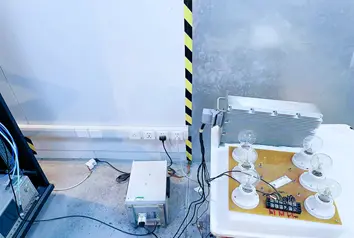 How to get a UL 60335 Test Report
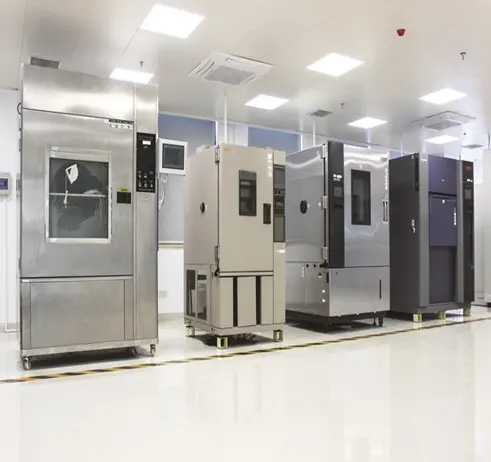 What is UL 60335 Certification Compliance?
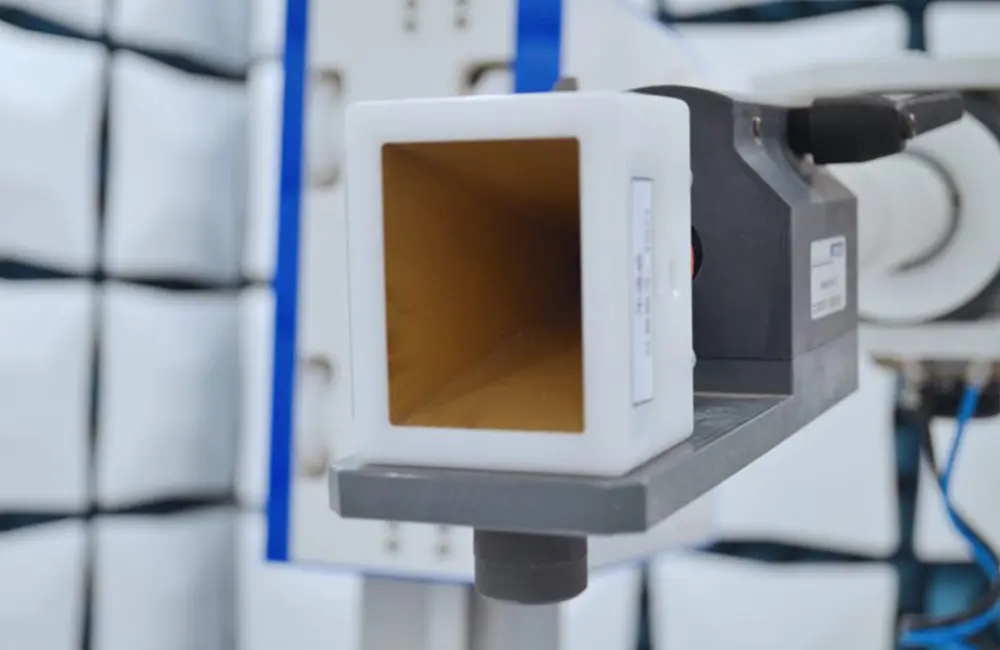 What is EN 61000 Certification Compliance?
 How to get an EN 61000 Test Report?
 What is the Amazon EN 55035 Standard?
 What is EN 55035 Certification Compliance?
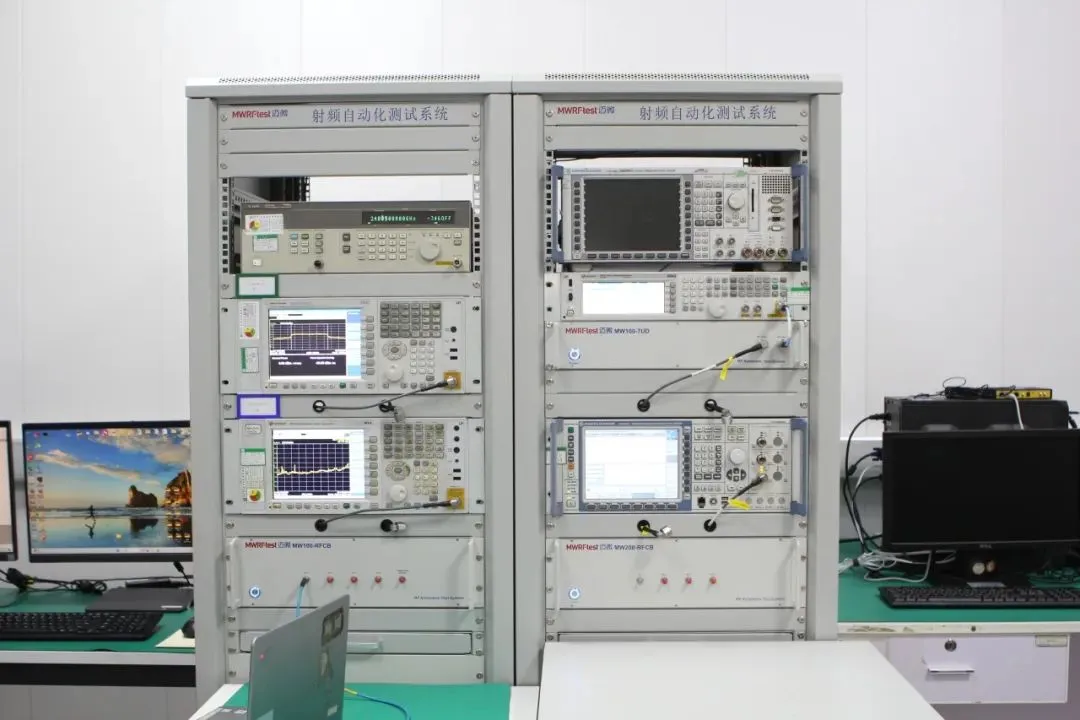 How to get the EN 55035 Test Report?
 What is the Amazon EN 301 489 Standard?
Leave us a message
24-hour online customer service at any time to respond, so that you worry!