



CE Certification Testing Items and Standards for LED Display
As LED display screens expand from specialized fields to the general market, ensuring these devices meet stringent EMC certification standards becomes increasingly important. This not only protects consumers from potential electromagnetic interference but also ensures the quality and performance of LED display screens are fully guaranteed. Therefore, LED display screen manufacturers and suppliers face an urgent need to ensure their products can pass EMC certification to meet the market's health and safety concerns and requirements.

CE certification is known as the "passport" for exporting to the EU, primarily composed of EMC (Electromagnetic Compatibility) + LVD (low voltage directive). EMC includes EMI (Interference) + EMC (Anti-Interference), and LVD is commonly referred to as SAFETY. For LED display screens to be exported to the EU, CE certification must follow the standards for audio, video, information, and communication technology equipment. The general testing standards are as follows:
LVD Standard:
- EN 62368-1 — EU regulatory safety standard for IT and peripheral products.
EMC Standard:
- en 55032 / EN 55035 — Applicable to multimedia equipment with rated AC or DC voltages not exceeding 600V, including information technology equipment, audio equipment, video equipment, broadcast reception equipment, entertainment lighting control equipment, or combinations of these devices.
- en 61000-3-2 / EN 61000-3-3 — Compatibility tests for current harmonics.
Photobiological Safety Standard:
- EN 62471 — Aimed at evaluating the hazards of optical radiation associated with different lamps and lamp systems.
LED Display Screen CE Certification lvd testing Items:
a. Fault (testing)
b. Impact
c. Vibration
d. Shock
e. Electrical clearance
f. Creepage distance
g. Electric shock
h. Heating
i. Overload
j. Temperature rise test, etc.
LED Display Screen CE Certification emc testing Items:
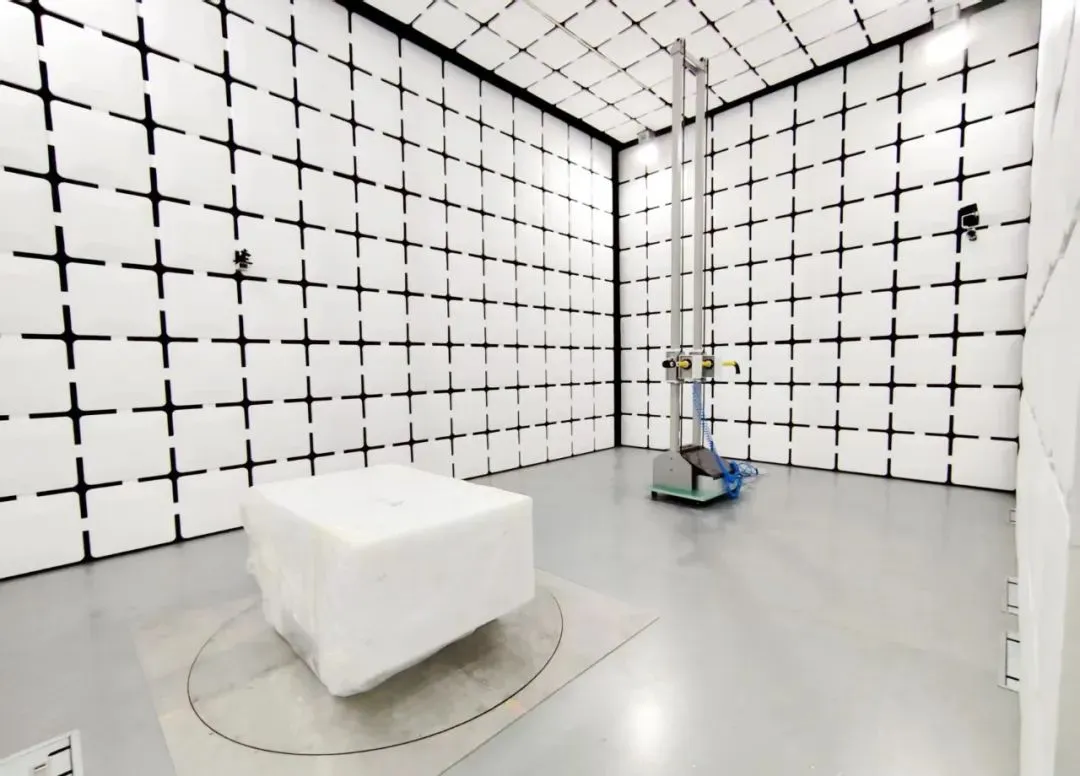
a. Radiation
b. Conduction
c. Static
d. Conducted anti-interference
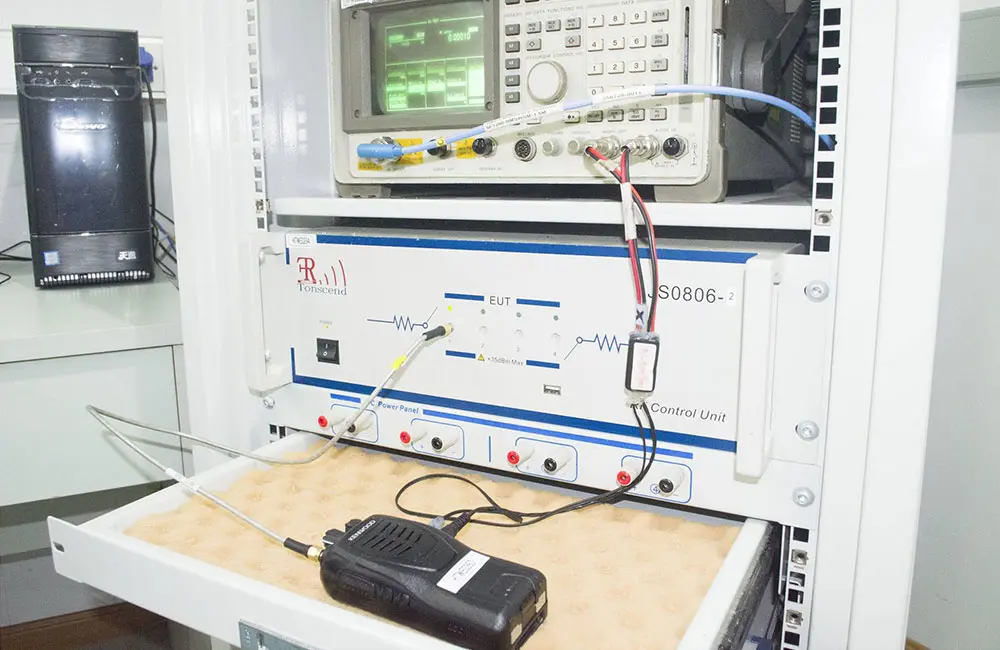
e. Radiated anti-interference
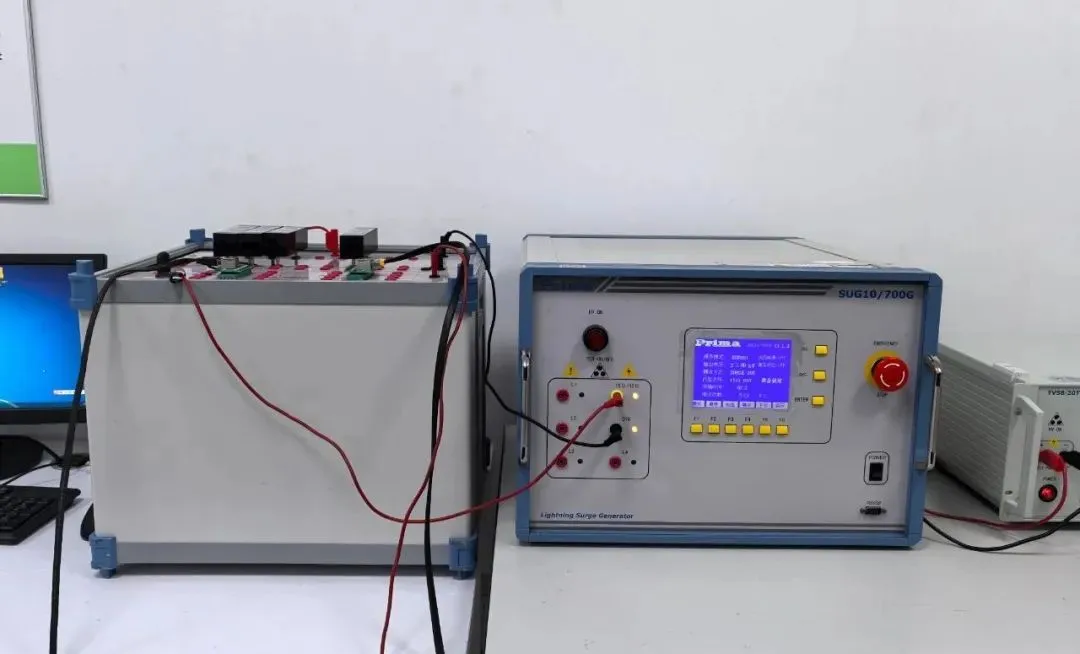
f. Pulse, etc.
LED Display Screen ce certification process:
1. Provide product and applicant information, and contact JJR laboratory.
2. Based on the information provided, JJR laboratory in China will quote: draft relevant test standards, test cycle, and test costs.
3. Applicant confirms the quote and arranges payment.
4. Provide application form, technical data, and test samples.
5. Conduct tests and complete the report.
6. Upon project completion, issue the ce certificate.
Documentation Required for CE Certification of LED Display Screens:
1. User manual of the product
2. Safety design documents
3. Product technical specifications
4. Electrical schematics of the product
5. Product circuit diagrams
6. List of critical components or raw materials
7. Copies of certificates for the complete machine or components
Note: The built-in LED driver power supply also requires CE certification, and the report and certificate must be provided.
CE Certification Timeline for LED Display Screens:
CE certification does not require factory inspection. If the sample passes the test, the CE report and certificate can be issued quickly, typically within about two weeks. Note that the built-in LED driver power supply also requires CE certification, and the report and certificate must be provided.
Email:hello@jjrlab.com
Write your message here and send it to us
 What is the ASTM F2167 Certification Test?
 What is the ASTM F2050 Certification Test?
 What is ASTM F1967 Certification Testing? How to g
 What is the ASTM F1917 Certification Test?
 How to get ASTM F1821 Certification
 What is the ASTM F1821 Testing Standard?
 Electronic Products Safety Testing Laboratory
 HAC Hearing Aid Compatibility Testing
Leave us a message
24-hour online customer service at any time to respond, so that you worry!